Does your drainfield still have years of life left, or are you quietly pushing it toward collapse every time someone showers? The answer hinges on one overlooked variable: how much water your household sends into the ground each day. I’ve seen systems fail at 15 years and stay healthy at 25, and the difference almost always traces back to water volume, not water quality. Hydraulic overload — pure saturation — suffocates drainfields faster than anything else. The encouraging part is this: you can measurably extend your field’s lifespan with fixture swaps that take a weekend and cost less than a dinner out. I’ve watched it work dozens of times.
Fifteen years of digging into septic problems across rural properties has shown me patterns most homeowners never see. I’ve inspected over 2,000 tanks and distribution boxes. I’ve pulled soil samples from failed fields and functional ones, compared their histories, and identified what separates a system limping toward replacement from one running strong at two decades. Fixture efficiency isn’t marketing noise in my world — it’s the difference between a $400 weekend project and a $25,000 excavation in your yard.
Here’s what this guide covers: which fixtures matter most, why they actually work, what specific products deliver results without gimmicks, and how to prioritize upgrades if your budget is limited. No fluff, no upsells.
Understanding Hydraulic Overload as Your Drainfield’s Primary Adversary
Plenty of homeowners assume their drainfield fails because of what lands in the tank — disposable wipes, cooking oils, pharmaceutical residue. Those create real complications, absolutely. But in my 15 years of fieldwork, I can count on one hand the systems that truly suffered from product misuse alone. The number one culprit I encounter is straightforward: velocity. When water volume exceeds what the surrounding soil can absorb, saturation begins. Biofilm accumulates. The absorption layer becomes impermeable.
EPA design standards assume 75 gallons daily per household occupant. A residence with four people should reasonably manage 300 gallons. What I document in the field? Consistently between 400 and 600. The cause isn’t mystery — it’s fixture age and design philosophy. Showerheads manufactured before the 1994 federal guidelines ran at 3.0 to 5.0 GPM. Bathroom sink aerators from that era? Typically 2.2 GPM or higher. Those volumes stack up remarkably fast across an entire home.
The EPA-administered WaterSense program and the National Sanitation Foundation (NSF) both certify fixtures meeting specific performance thresholds. A WaterSense-labeled faucet aerator maxes out at 1.5 GPM while delivering usable functionality. That modification alone can shave 30 to 50 percent off total faucet consumption. For a field already struggling, those percentage points translate to years of added service life.
The Scientific Path: How Reduced Flow Preserves Your Absorption Area
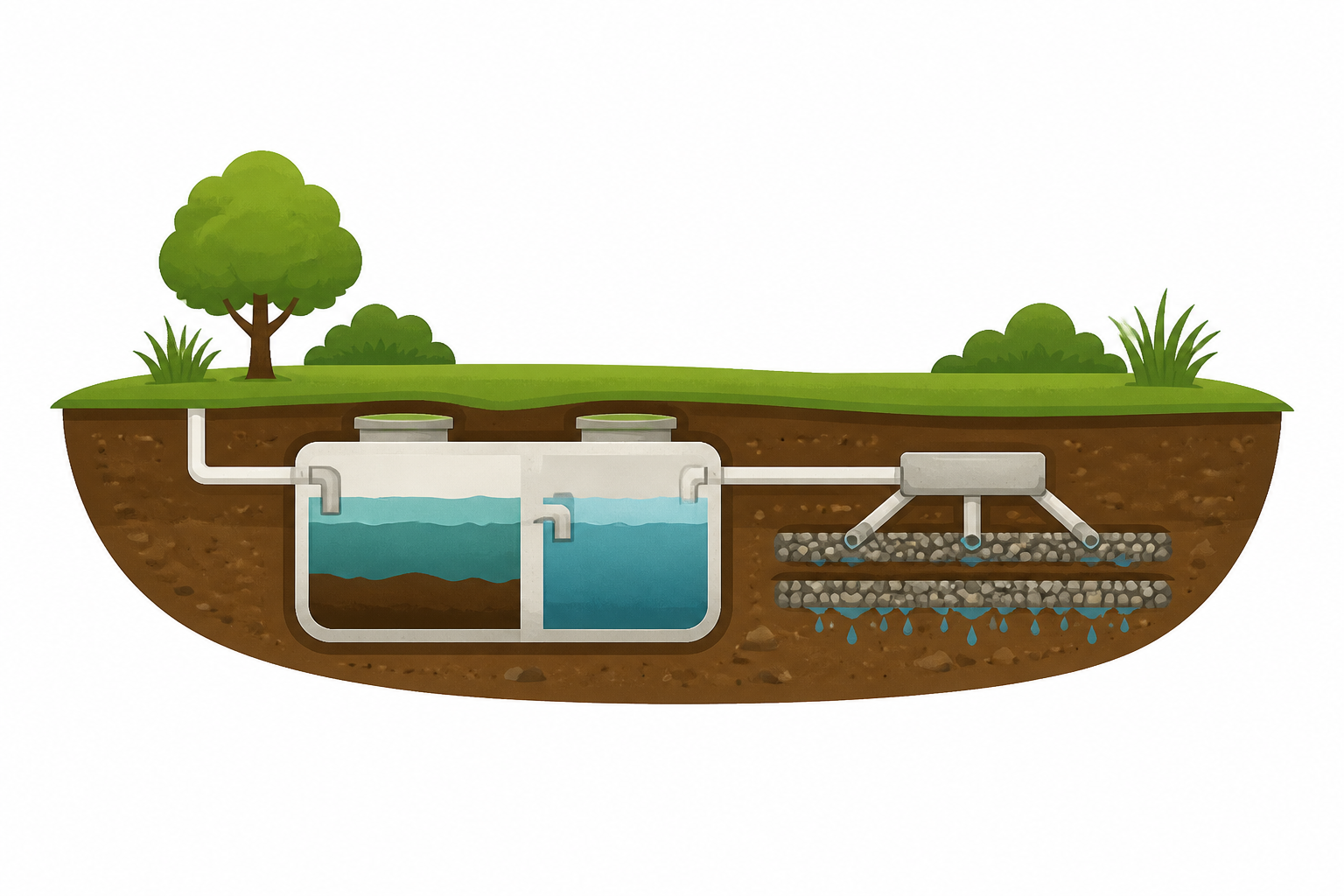
The drainfield operates within capacity limits. Every system has a designed gallons-per-day-per-square-foot threshold — typically 0.6 to 0.8 GPD/SF for sandy loam. A typical 3-bedroom installation spans 600 to 900 trench feet. Persistent overage creates pooling. Pooled water breeds anaerobic conditions. That environment generates biomat — a dark, sticky bacterial layer that progressively locks the soil pores closed.
Biomat doesn’t reverse through passive recovery. Once formed, your options narrow: alternate between separate fields if the system was designed for it, invest in aerobic treatment technology, or execute full replacement. University of Minnesota Extension research and EPA technical guidance (EPA/625/R-00/008) confirm that lower daily throughput slows biomat development substantially. That’s soil physics, not speculation.
Consider a property I worked on near Flagstaff last spring. The homeowner faced what looked like certain drainfield replacement — sluggish fixtures, faint sewage smell near the absorption zone, system at 15 years old. Rather than recommend immediate excavation, we installed pressure-compensating aerators, retrofit a 1.5 GPM showerhead, and swapped the toilet fill valve for a reduced-volume version. Within six months, system performance normalized. No excavator was needed. The lower hydraulic stress allowed the biomat to partially break down and soil function to recover. That outcome isn’t universal, but it emerges more often than most contractors admit when you intercede at early warning stages.
Which Four Fixtures Deliver Maximum Impact
Every fixture upgrade isn’t equally valuable. I prioritize based on measurable water-use reduction and installation simplicity.
1. Faucet Aerators
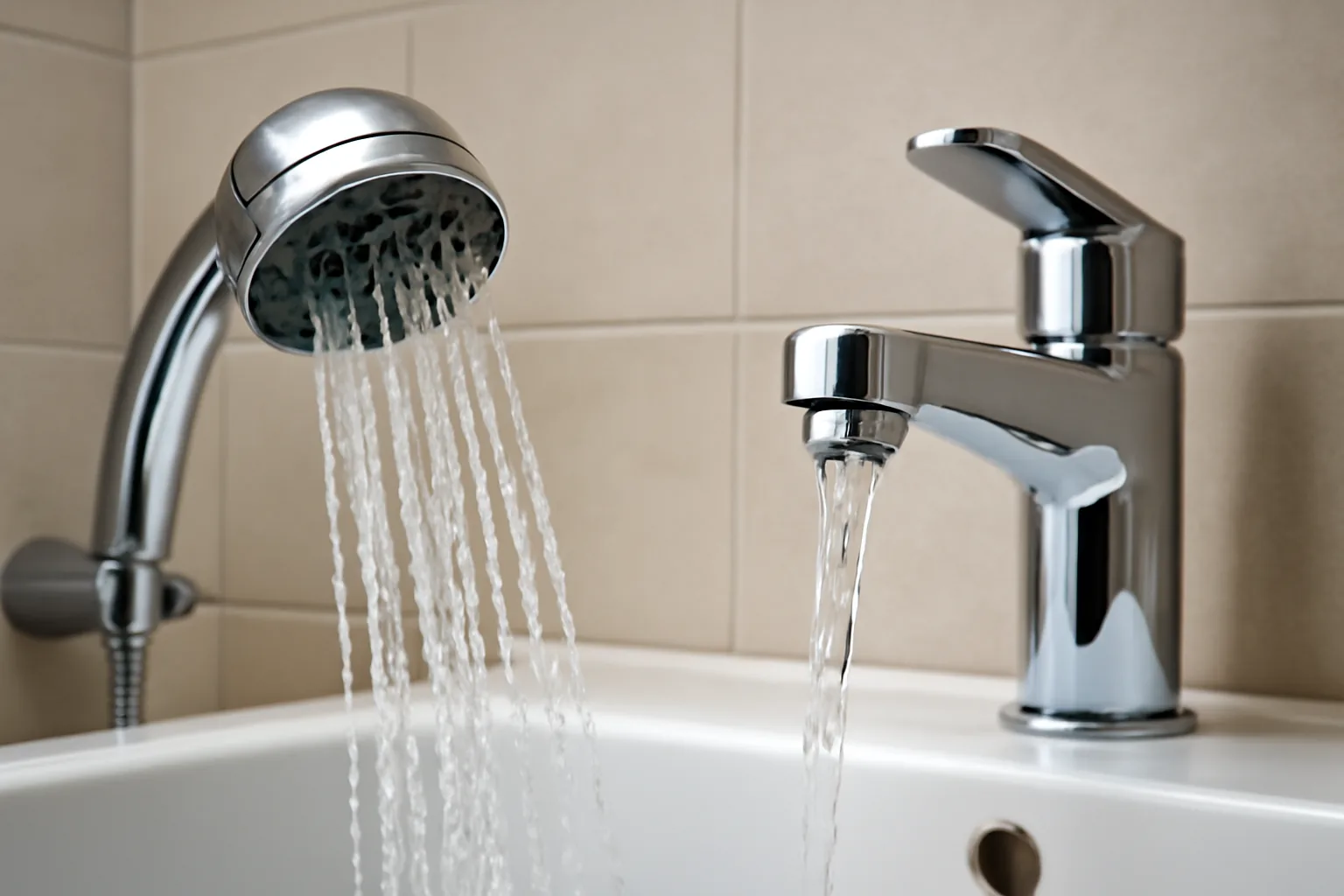
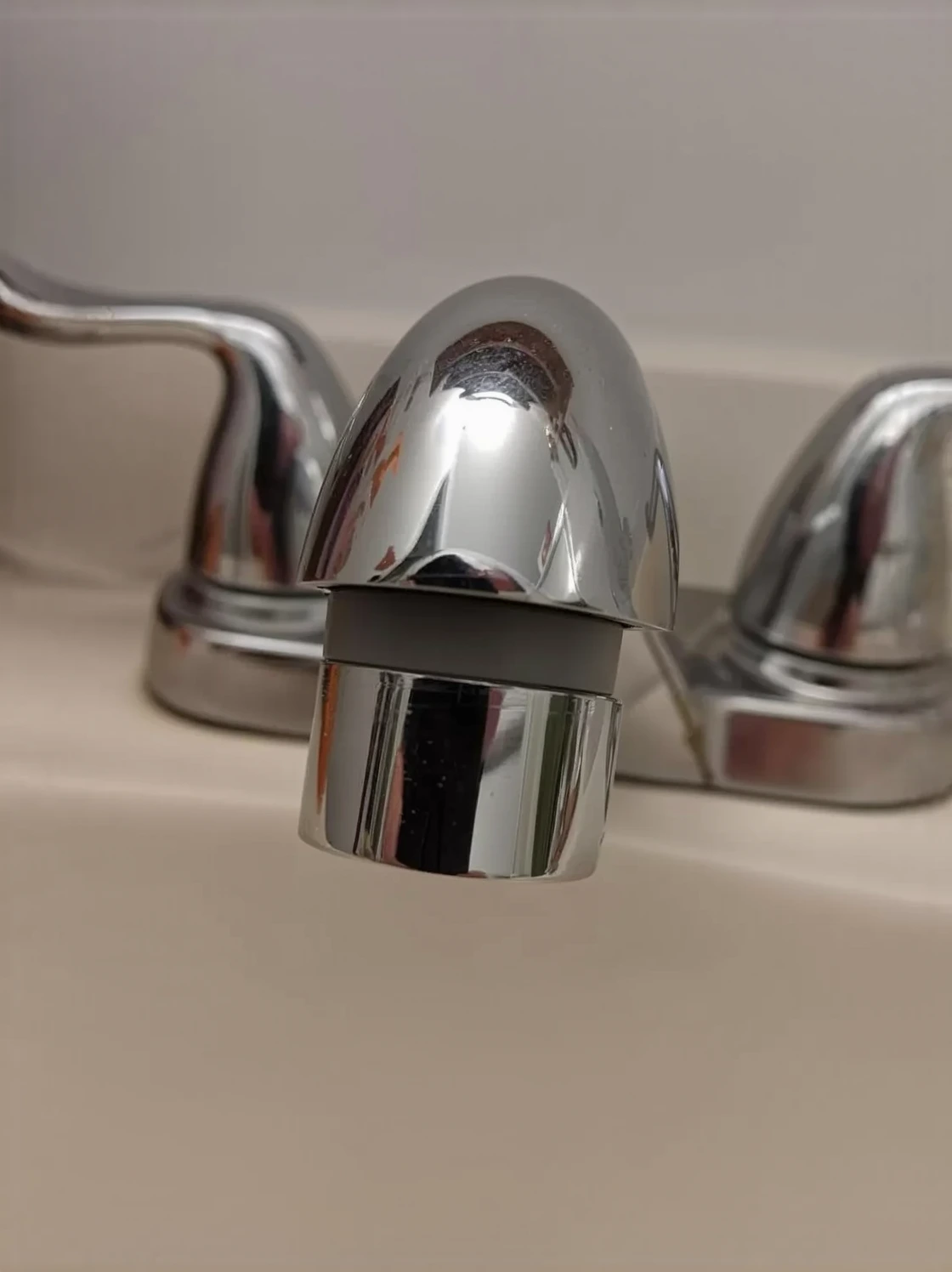
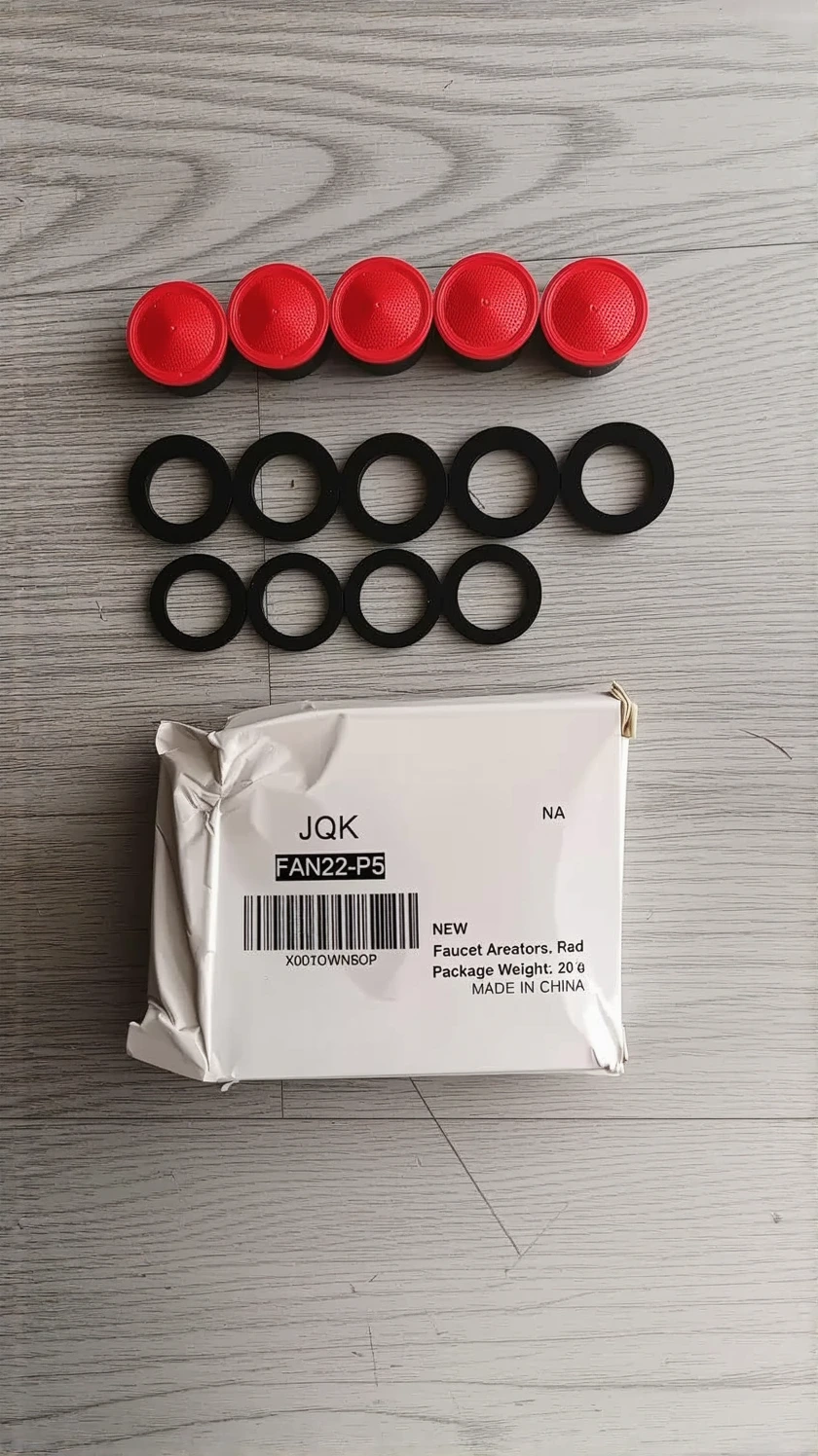
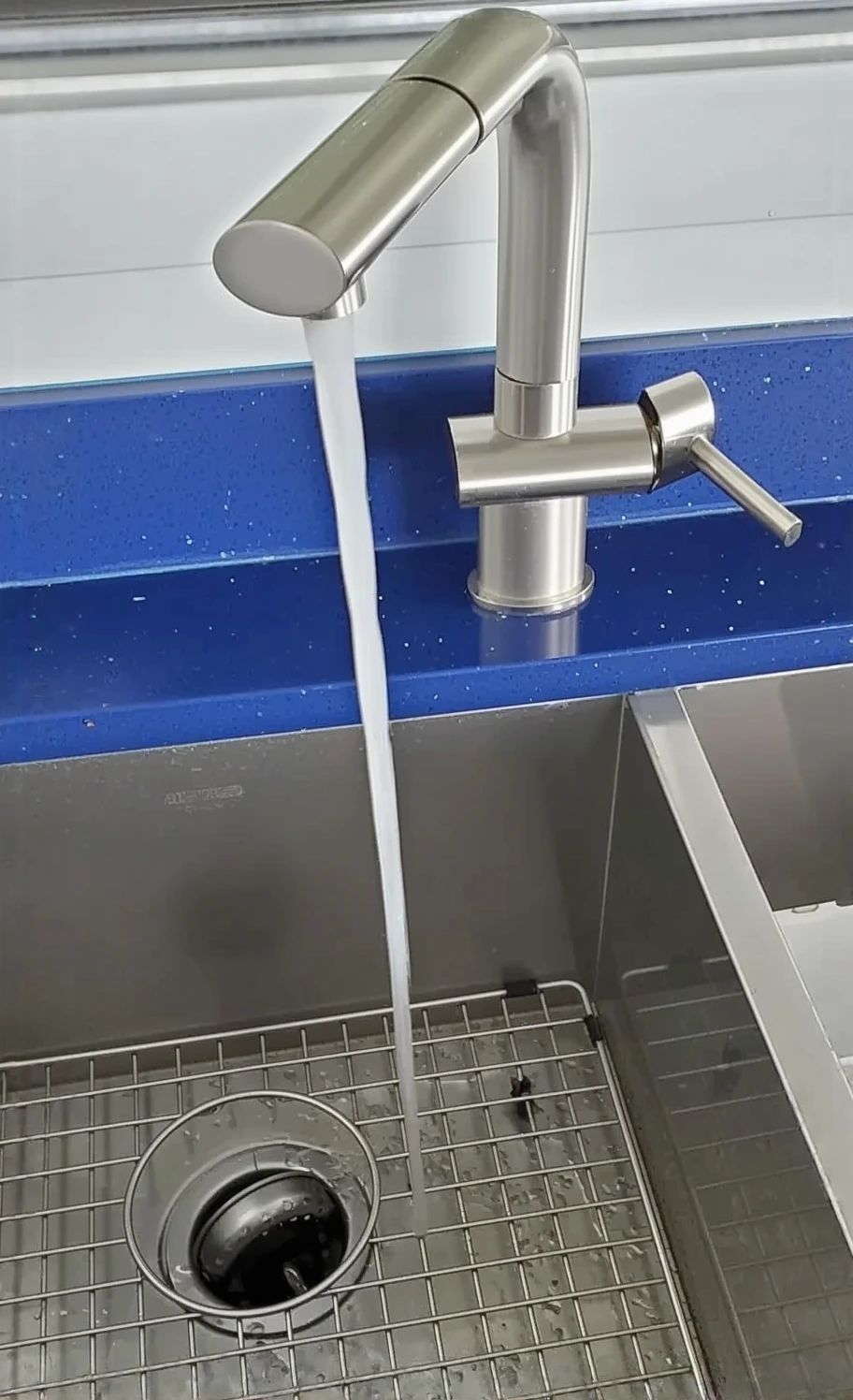
Aerators represent the quickest entry point and lowest barrier to implementation. Standard aerators from the 1980s and 1990s operated at 2.2 GPM. Modern low-flow units hit 0.5 or 1.0 GPM. Installation requires 90 seconds per faucet and zero plumbing experience. Cost per aerator ranges between $3 and $15. A four-sink household runs $20 to $60 total. Water volume reduction is immediate. This is always my first recommendation.
2. Showerheads
Bathing ranks as the second-largest residential water consumer. Four occupants showering 8 minutes daily at 2.5 GPM generates 80 gallons per day. Drop to 1.5 GPM, and that falls to 48 gallons — a 32-gallon daily reduction. That matters exponentially over months and years for a drainfield. WaterSense-compliant showerheads cap at 2.0 GPM; premium models from manufacturers like Delta, Kohler, and Niagara achieve 1.5 GPM while preserving adequate spray coverage and impact.
3. Toilets
Toilets consume roughly 30 percent of domestic water. Older models (pre-1994) emptied 3.5 to 7 gallons per flush. The 1992 Energy Policy Act (EPACT) established 1.6 GPF as the federal ceiling. Water-efficient toilets bearing WaterSense certification perform at 1.28 GPF or lower. Dual-flush variants drop to 0.8 GPF for light flushing. On properties where full replacement isn’t feasible, adjustable fill valve kits or displacement cartridges reduce per-flush volume without ripping out the porcelain.
4. Washing Machine
Top-load laundry equipment from the 1990s through early 2000s drained 35 to 50 gallons per cycle. Front-loading Energy Star units consume 13 to 20 gallons — roughly 50 to 60 percent less. Beyond equipment selection, I tell neighbors to distribute laundry throughout the week rather than concentrating loads into a single Saturday session. A drainfield tolerates the identical total volume far better when intake is staggered than when delivered as a series of high-intensity surges.
The Pressure-Compensating Aerator That Doesn’t Sacrifice Function for Efficiency
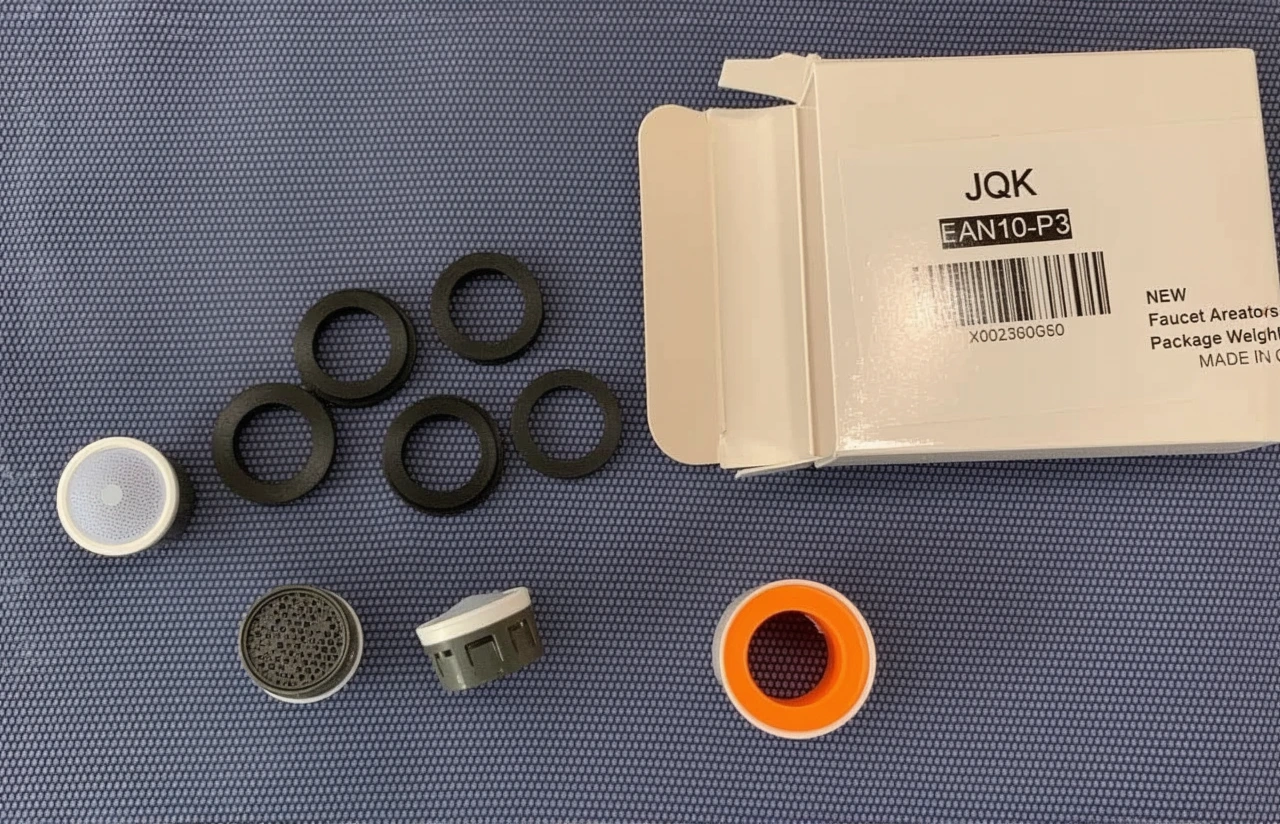
Most reduced-flow aerators create a frustrating tradeoff: you gain water savings but lose usable pressure, and homeowners ditch them within weeks. The Niagara Conservation N3610CH sidesteps that compromise with pressure-compensating engineering that maintains practical spray intensity while genuinely limiting volume entering your absorption system.
Why it performs
- Pressure-compensating needle spray creates a concentrated jet rather than a diffuse mist — people actually use it and don’t immediately unscrew it in frustration.
- Maintains 0.5 GPM throughput while generating sufficient spray force for practical hand-washing and rinsing, meaning genuine drainfield load reduction without behavioral adaptations or workarounds.
- Goes on in seconds on any standard faucet connector — zero tools, zero plumbing expertise required, which simplifies bulk retrofitting across multiple fixtures.
Limitations to know
- Pressure-compensating function demands adequate incoming supply pressure — typically 40–50 PSI minimum — which can be problematic on older rural water systems running lower pressures.
- The needle pattern concentrates differently than conventional aerators — first-time users often find the sharp stream surprising until they adjust their hand position.
I was skeptical the first time I installed one — thought it would be just another gimmick that feels like a straw — but watching my water meter drop while my shower still felt normal made a believer out of me. Pick up a Niagara Conservation N3610CH Tri-Max 1-Spray 0.5-1.5 GPM for your main fixtures and start protecting your drainfield today.
Sources and further reading
About This Article

Written by Joel Grayson. Rural property owner who learned septic systems the hard way after my own failed 15 years ago. I created Backyard Septic to give homeowners honest, practical guidance on septic installation, maintenance, and troubleshooting. More about this site.
Scope and limits. Joel is an experienced rural property owner, not a licensed septic inspector. Have a licensed septic professional handle pumping, permits, and any diagnosis you plan to act on — and never enter a tank.
Verify this against a primary source
Specifics change, and your situation may differ from the one described here. These are the authorities worth checking directly:
- EPA SepticSmart — septic system care, inspection intervals and failure signs
- NSF International — treatment unit and tank certification standards