A few years back, I got a call from a homeowner in rural Tennessee who’d just had her entire drainfield replaced. Cost her $14,000. The culprit? A row of mature willows she’d planted along the field’s edge a decade earlier. The roots had crushed and blocked nearly every perforated pipe in the system. She had no idea. That’s the story I think about every time someone asks me about plants safe to grow over drainfield areas — because the wrong choice isn’t just an aesthetic mistake. It’s a four-figure disaster waiting to happen.
I’ve spent 15 years as a septic inspector and rural property consultant. I’ve crawled through crawl spaces, pulled apart distribution boxes, and walked hundreds of drainfields in every condition imaginable. What I can tell you with confidence is this: the vegetation growing over your leach field matters more than most homeowners realize. The right plants protect the system. The wrong ones destroy it — slowly, silently, and expensively.
This post is my definitive field guide to what works, what doesn’t, and why. I’ll give you specific plant names, real numbers, and the honest reasoning behind every recommendation. Let’s get into it.
Why What You Plant Over a Drainfield Actually Matters
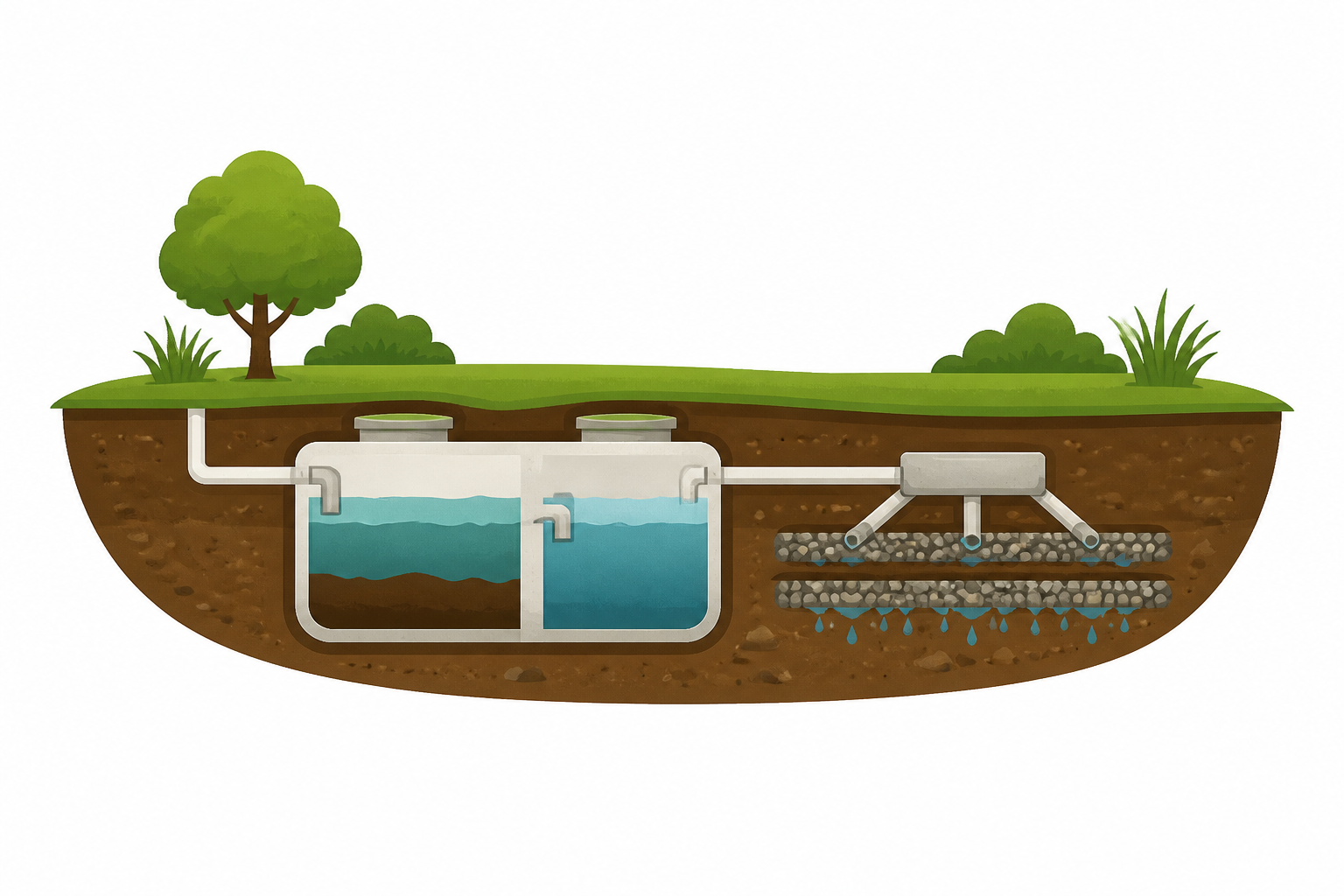
Your drainfield — also called a leach field or soil absorption system — is a network of perforated pipes buried typically 18 to 36 inches below the surface. Effluent flows out through those perforations and gets filtered through the surrounding soil. The whole system depends on that soil staying loose, aerated, and biologically active. Plants play a direct role in whether that happens.
Shallow-rooted plants with fibrous root systems actually help the drainfield function. They pull moisture out of the soil, which prevents saturation and keeps the biomat — the layer of biological treatment at the soil interface — from getting overwhelmed. They also prevent soil compaction and erosion. In my experience, a well-vegetated drainfield consistently outperforms a bare or poorly planted one over the long term.
Deep-rooted or aggressive plants do the opposite. Roots seek moisture and nutrients. Your drainfield offers both in abundance. Invasive root systems will find every crack, joint, and perforation in your pipes. Once inside, they expand, clog, and eventually collapse the system. Under the International Private Sewage Disposal Code (IPSDC) and most state septic regulations, trees and shrubs are prohibited within specific setback distances from drainfield components for exactly this reason.
Plants Safe to Grow Over Drainfield Areas: The Green List
Let me be direct: the best plants for a drainfield are grasses and low-growing, shallow-rooted perennials. Full stop. They tick every box — fibrous roots, moisture uptake, no structural threat to pipes, easy maintenance. Here’s what I recommend and have seen perform well across dozens of properties.
Grasses (The Gold Standard)
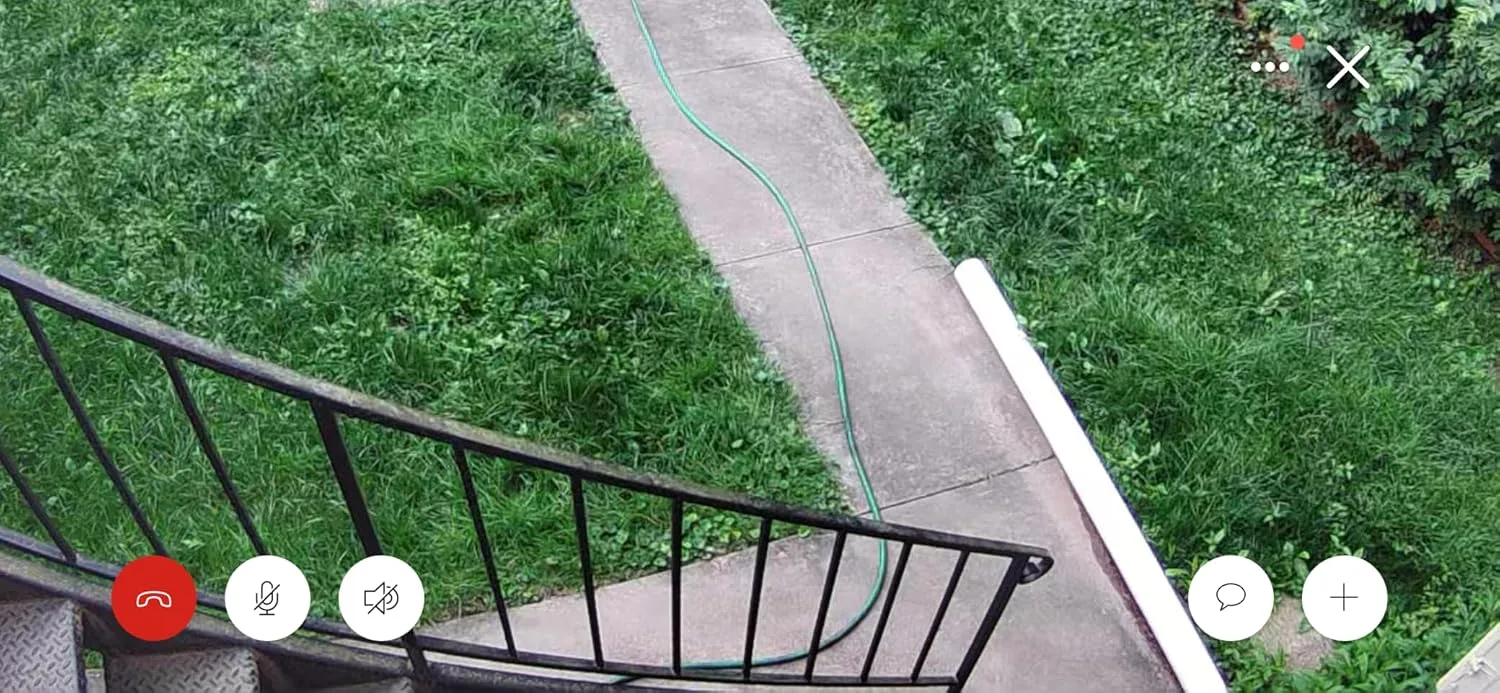
Turfgrass is hands-down the safest, most practical drainfield cover available. The root systems stay in the top 6 to 12 inches of soil. They handle the slightly elevated moisture levels typical of drainfields without issue. And they’re easy to mow, which is important — you should never allow tall, dense vegetation to build up over a drainfield because it can mask signs of system failure.
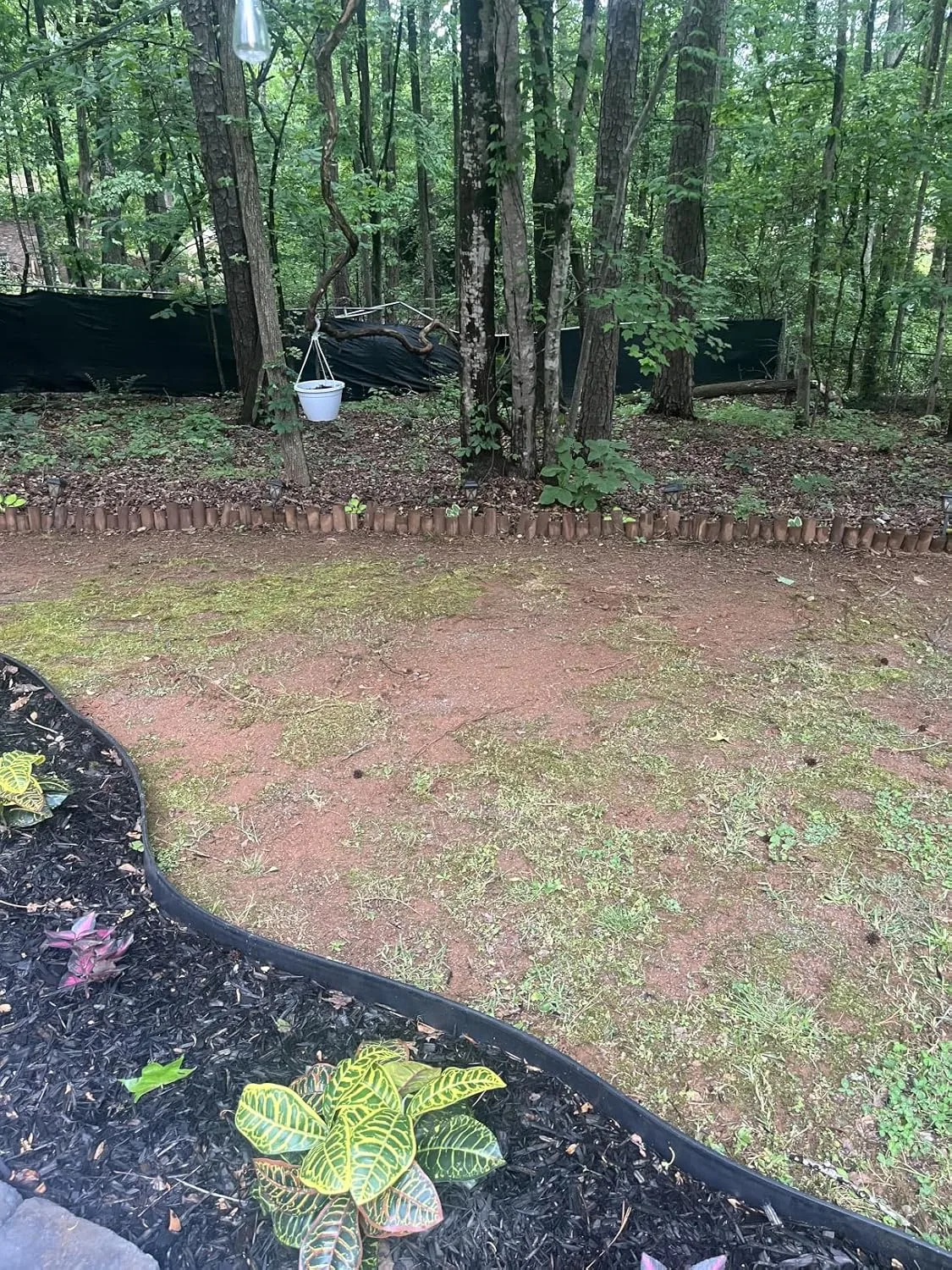
For sunny drainfields, I’ve had great results recommending Kentucky bluegrass, tall fescue, and Bermuda grass. For shadier spots, fine fescue blends perform well. Specifically, the Scotts Turf Builder Grass Seed Sun and Shade Mix is a reliable budget-friendly option I point clients toward regularly. It covers up to 2,240 square feet per 5.6 lb. bag, germinates quickly, and handles the variable conditions over a drainfield well. It’s not glamorous, but it works — and it’s available for around $25 to $30.
Safe Perennials and Ground Covers
Beyond grass, several flowering perennials and ground covers are genuinely safe for drainfield areas. These work well when clients want something more visually appealing than a plain lawn section.
- Creeping thyme — shallow-rooted, drought-tolerant, smells great when mowed
- Daylilies (Hemerocallis spp.) — fibrous roots, typically stay above 12 inches deep
- Ornamental grasses (dwarf varieties only, like blue fescue) — root depth under 18 inches
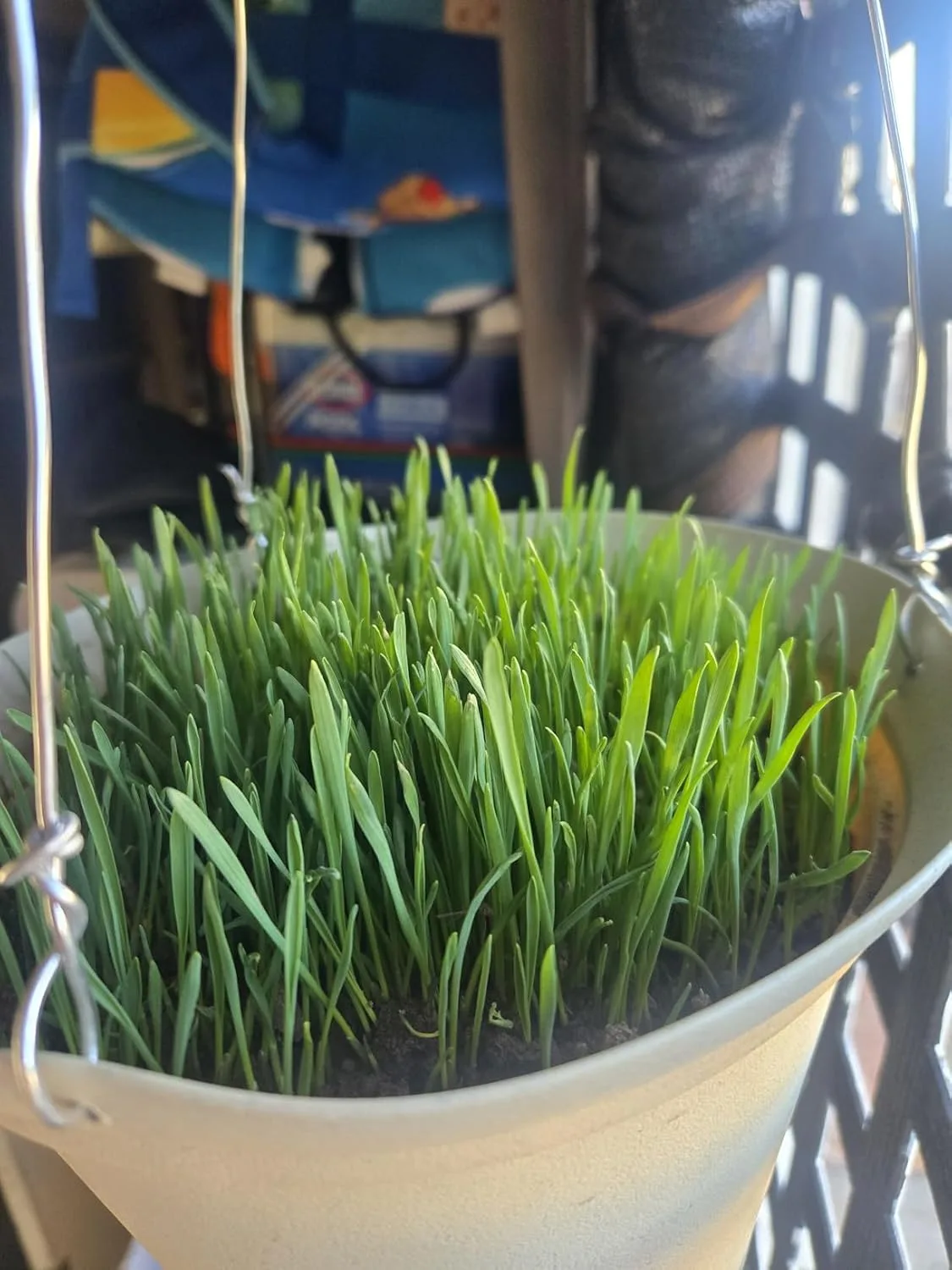
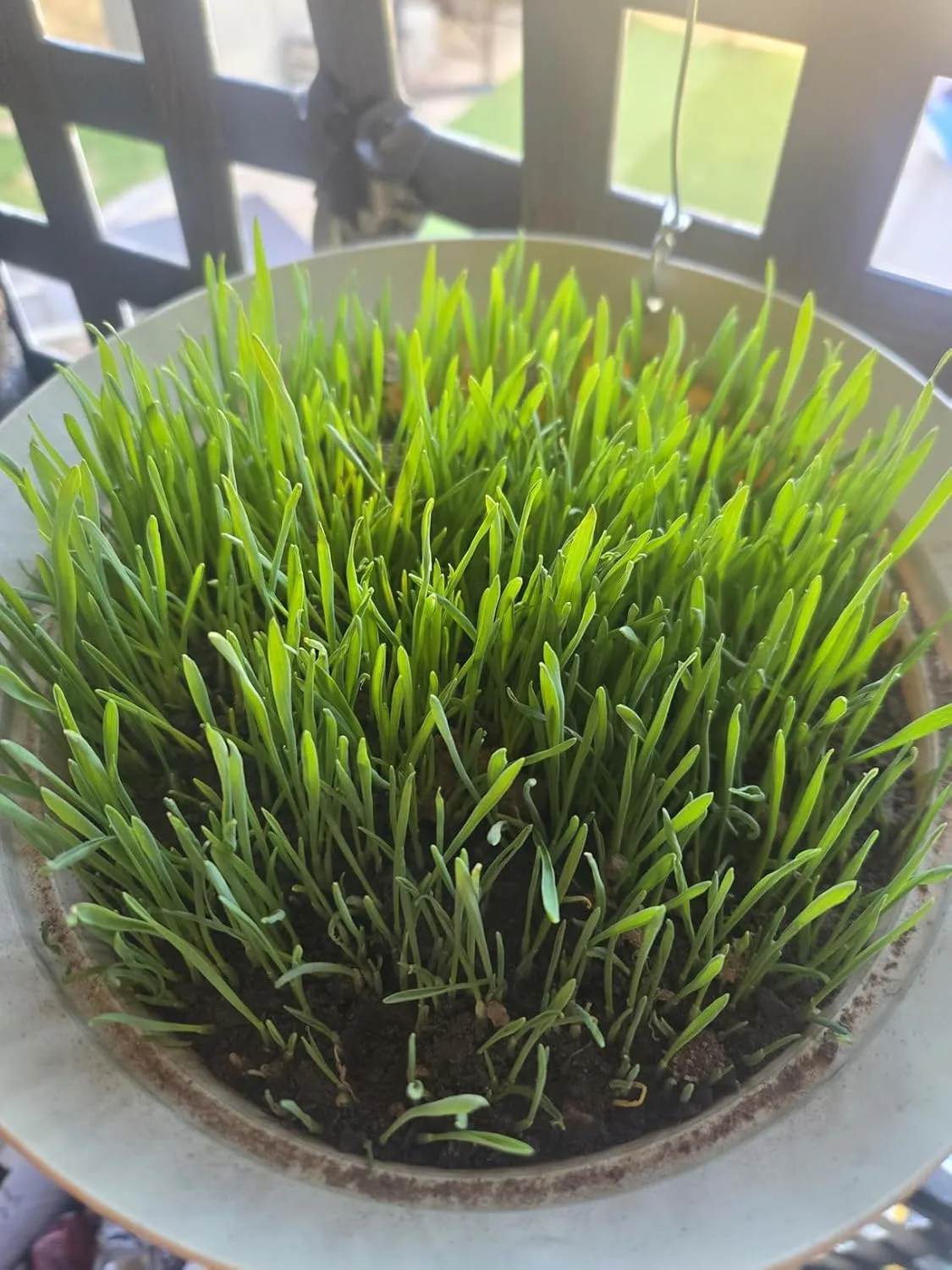
- Wheatgrass — extremely shallow-rooted, fast-growing, excellent moisture absorption
- Coneflower (Echinacea) — taproot goes moderately deep but stays well clear of pipe depth
- Wild violets — fibrous root system, low-maintenance, handles moist soil well
Native wildflower mixes designed for erosion control also work well over drainfields. They’re specifically developed for fibrous-root species and hold soil without threatening buried infrastructure. I typically recommend clients seed these in fall for best results in the following spring.
What Will Absolutely Wreck Your Drainfield
Now for the part people really need to hear. I’ve pulled enough root-choked pipe out of the ground to fill a pickup truck. Here’s what you must keep off a drainfield — and away from it.
Trees: Keep Every Species Away
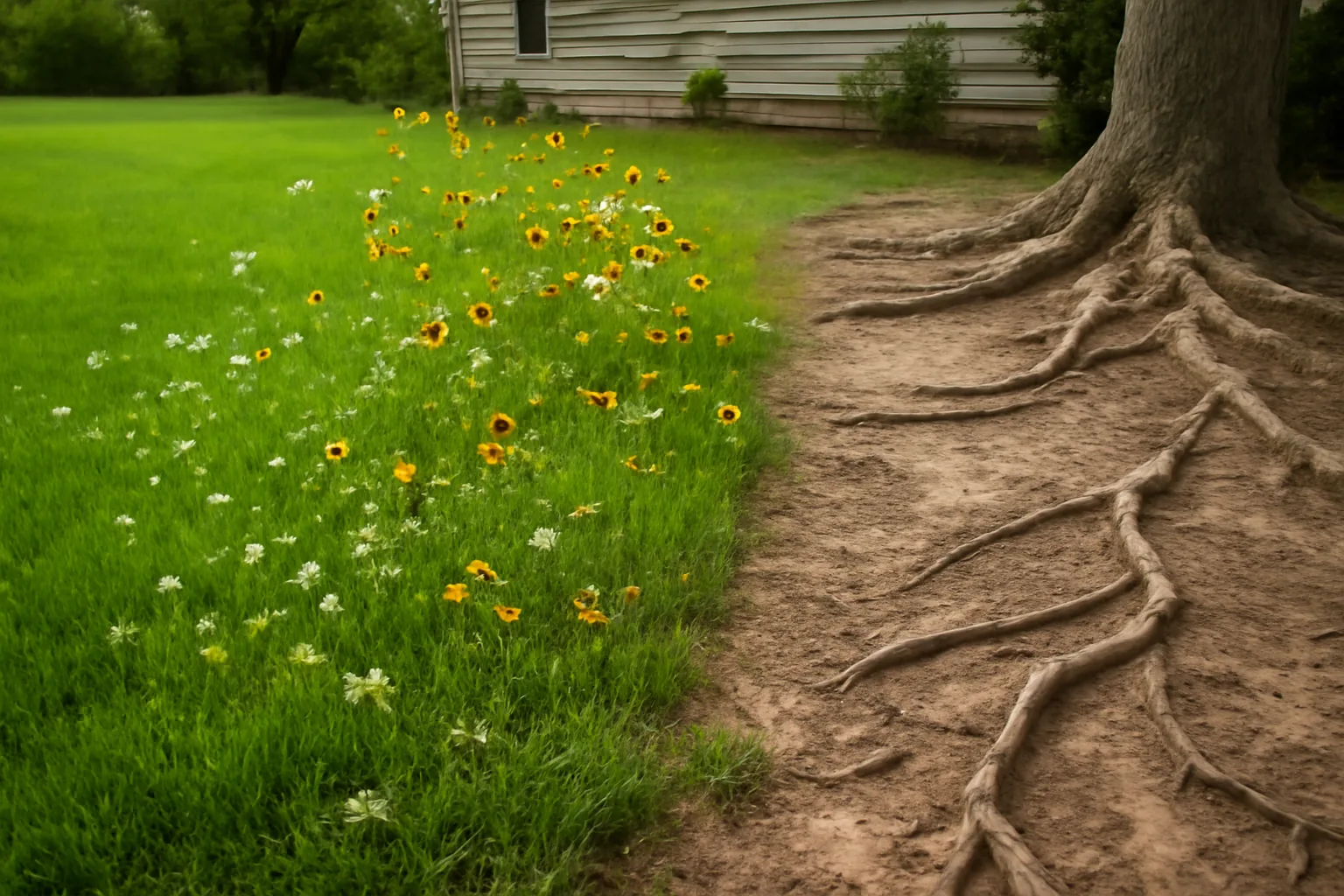
There is no safe tree to plant over a drainfield. None. Even “non-invasive” species like ornamental maples will find moisture at pipe depth and cause damage over a 10- to 15-year window. Willows, poplars, and silver maples are the absolute worst offenders — their roots routinely travel 3 to 4 times the height of the tree in search of water.
Most state codes and the IPSDC require a minimum setback of 25 to 50 feet between large trees and drainfield components. Some states specify 100 feet for willows specifically. That Tennessee client I mentioned? Her willows were planted 8 feet from the field’s edge. Eight feet. The roots had traveled 40 feet underground in under a decade. I learned this the hard way on one of my first inspections — I cleared a property for sale and missed a stand of river birch that was close enough to threaten the field. Two years later, that buyer was dealing with soggy drain lines. I never eyeball tree setbacks anymore. I measure them.
Shrubs and Woody Plants to Avoid
Shrubs are a gray zone, but most should be avoided directly over the field. Woody root systems are opportunistic and persistent. Even smaller shrubs like forsythia, boxwood, and rose of Sharon can develop root structures that reach pipe depth within 5 to 7 years.
- Forsythia — aggressive lateral roots, commonly found blocking distribution boxes
- Rose of Sharon — woody taproot that actively seeks saturated soil
- Japanese knotweed — invasive, root system can penetrate pipe materials
- Bamboo — rhizome spread is virtually unstoppable; stay 50+ feet away
- Holly — fibrous but deep; keep at least 15 feet from field edges
- Raspberry and blackberry canes — runners and roots spread aggressively underground
The rule I give clients is simple: if it has a woody stem and lives more than two years, keep it off the drainfield entirely. Plant it elsewhere on the property.
Vegetable Gardens and Food Crops
This comes up constantly, and the answer is no — not directly over the drainfield. The EPA’s guidelines on onsite wastewater treatment are clear on this. Effluent contains pathogens, nitrates, and other contaminants. Root vegetables especially can uptake these compounds. Even fruiting crops grown above the field carry a contamination risk.
Beyond the health risk, most vegetable gardens require tilling and irrigation — both of which damage drainfield infrastructure. Tilling disrupts the biomat. Excess irrigation saturates a system already managing its own effluent load. Keep food production at least 10 feet away from any drainfield component, and ideally 25 feet for root vegetables.
My Favorite Drainfield Cover: Wheatgrass Seeds
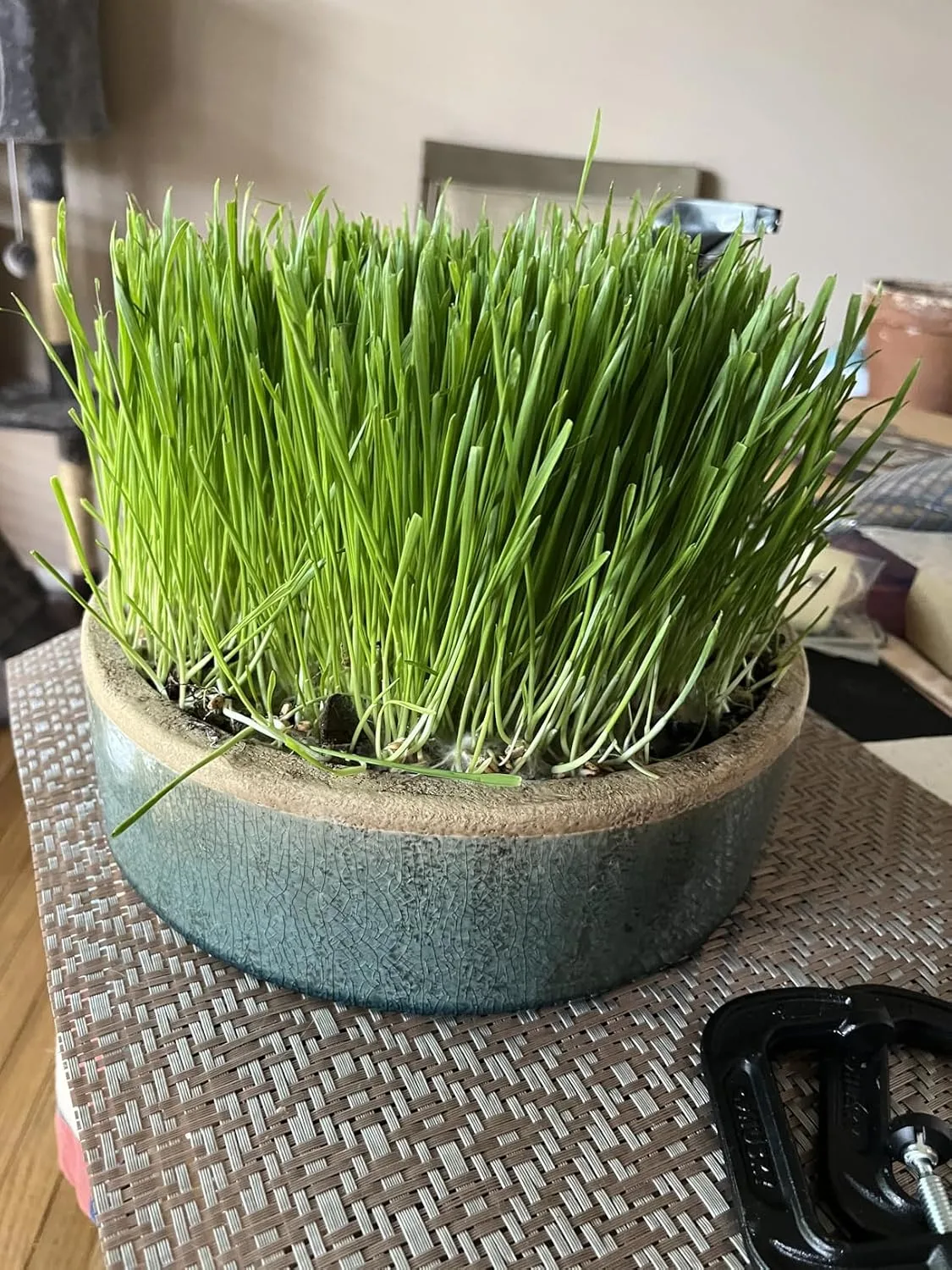
Last spring, I started recommending wheatgrass as a drainfield cover to clients who wanted something low-effort and genuinely effective. I was skeptical at first — I associate wheatgrass with juice bars, not septic systems. But agronomically, it’s a near-perfect fit for the application. Extremely shallow root system, rapid germination, dense coverage that suppresses weeds, and excellent moisture uptake from the upper soil horizon.
The product I’ve been recommending is Back to the Roots 100% Organic Wheatgrass Seeds. It’s a 1-pound bag of non-GMO, USDA-certified organic seed. One pound covers a surprisingly large area when broadcast-seeded — I typically estimate about 300 to 400 square feet at a moderate seeding rate. It germinates in 7 to 10 days under good conditions and establishes quickly. Cats love it, which is a bonus for clients with outdoor cats who like to graze — totally harmless to them and actually beneficial for their digestion.
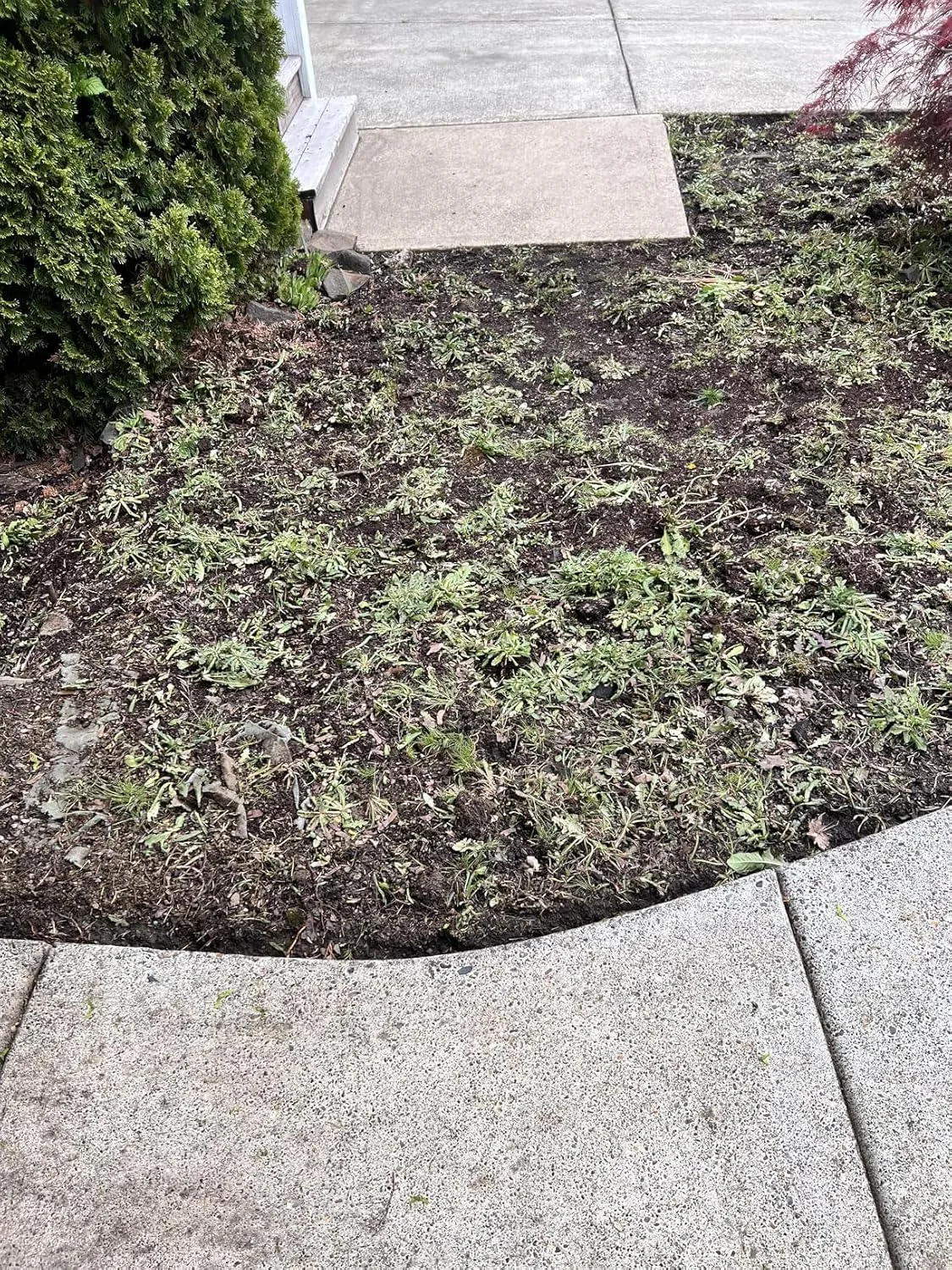
More importantly, the seed poses zero threat to drainfield infrastructure. Wheatgrass roots stay in the top 3 to 6 inches of soil. They hold the surface layer together beautifully, which helps prevent erosion around system inspection ports and cleanout risers. For a client with a newly seeded or recently repaired drainfield who needs quick, protective coverage, this is my first recommendation. A single bag runs around $18 to $22 on Amazon — one of the most cost-effective drainfield cover options I’ve found.
Practical Tips for Planting Around a Drainfield
Even with the right plants, execution matters. Here are the field-tested guidelines I give every client before they start planting around a septic system.
- Know where your field actually is. Get your as-built drawing from the county health department before planting anything. I’ve seen clients plant shrubs 20 feet from where they thought the field was — and directly over where it actually was.
- Never irrigate the drainfield. Additional water loads the system and can cause hydraulic failure. Let rainfall handle moisture for whatever you plant there.
- Hand-seed only, never till. Any equipment-based soil disturbance over a drainfield risks pipe damage. Broadcast seed by hand or with a hand spreader.
- Keep the area mowed. Tall vegetation traps moisture and masks wet spots that indicate system failure. Mow it like a lawn — don’t let it go wild.
- Establish a buffer zone. No trees within 25 feet. No large shrubs within 10 feet. No vegetable gardens within 10 to 25 feet depending on crop type.
These aren’t arbitrary rules. Every one of them came from a field situation where someone didn’t follow them — and paid for it.
When to Call a Pro
Planting over a drainfield is DIY-friendly — as long as you’re sticking to seed, hand tools, and the plant list above. However, call a licensed septic professional if you notice any of the following before or during your planting project.
- Wet or spongy ground over the drainfield, especially after dry weather
- Sewage odors near the field surface
- Unusually lush or dark-green grass in isolated patches over the field
- Gurgling drains or slow-flushing toilets inside the home
- Visible effluent surfacing on the ground
These are system failure indicators, not planting problems. No amount of good vegetation will fix a failing drainfield. In my area of the Southeast, a drainfield inspection typically runs $150 to $300. A full system replacement runs $8,000 to $20,000 depending on soil conditions and system type. The inspection is always worth it before you invest time and money in landscaping over a system that may already be compromised.
Also, if existing trees or large shrubs are already encroaching on your drainfield, don’t just cut them down and hope for the best. Root systems remain active for years after a tree is felled and continue to grow toward moisture. You need a professional assessment and potentially chemical root treatment or pipe rehabilitation — not just a chainsaw.
Final Thoughts on Plants Safe to Grow Over Drainfield Areas
The bottom line is straightforward. Grass, wheatgrass, shallow-rooted perennials, and low ground covers are your friends. Trees, woody shrubs, vegetables, and anything with aggressive root habits are your enemies. The difference between those two categories is the difference between a drainfield that lasts 25 to 30 years and one that fails in 10.
Understanding plants safe to grow over drainfield systems isn’t just landscaping knowledge — it’s system maintenance. Every time you make a smart planting choice over that field, you’re extending the life of a $10,000 to $20,000 piece of infrastructure. That deserves to be taken seriously.
Start with a good grass seed or wheatgrass cover, maintain your buffer zones, and keep an eye on system performance every season. If you do those three things consistently, your drainfield will quietly do its job for decades. That’s exactly what a good septic system should do — and exactly what smart planting makes possible.
This post contains affiliate links. As an Amazon Associate, I earn from qualifying purchases at no extra cost to you.