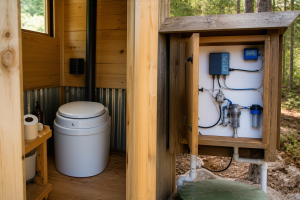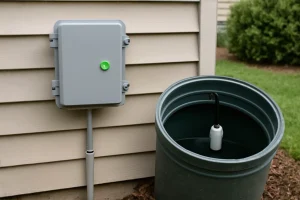
I pulled the inspection plate off a distribution box in Madison County that hadn’t seen maintenance in six years, and what I found told me everything about how silently water overload destroys rural septic systems. The box was cracked along its bottom seam, leaking treated effluent into the surrounding soil, but that wasn’t what concerned me most — it was the silt buildup inside, thick enough that I knew solids had been flowing past the tank for months. The family living above it had no idea their four daily showers, their twice-weekly laundry marathon, and their dripping kitchen sink were quietly dismantling $15,000 worth of underground infrastructure. They thought their system was fine because nothing had backed up yet.
Here’s the hard truth: your septic system is not connected to a municipal treatment plant. It has a fixed biological capacity. Flood it with more water than it can process, and the results are expensive, unpleasant, and sometimes dangerous. I’ve seen hydraulic overload failures cost homeowners $8,000 to $25,000 in emergency pump-outs, drain field repairs, or full system replacements. Most of those failures were preventable.
I’ve spent 15 years studying septic systems — my own place first, then neighbors’ — across rural Tennessee, Kentucky, and northern Georgia. In that time, I’ve learned exactly how water habits quietly push systems past their limits. This post breaks down what’s actually happening underground, which habits matter most, and what you can do today — starting with a $10 fix that I personally use on every system I own.
What Happens When Too Much Water Enters the Tank Too Quickly
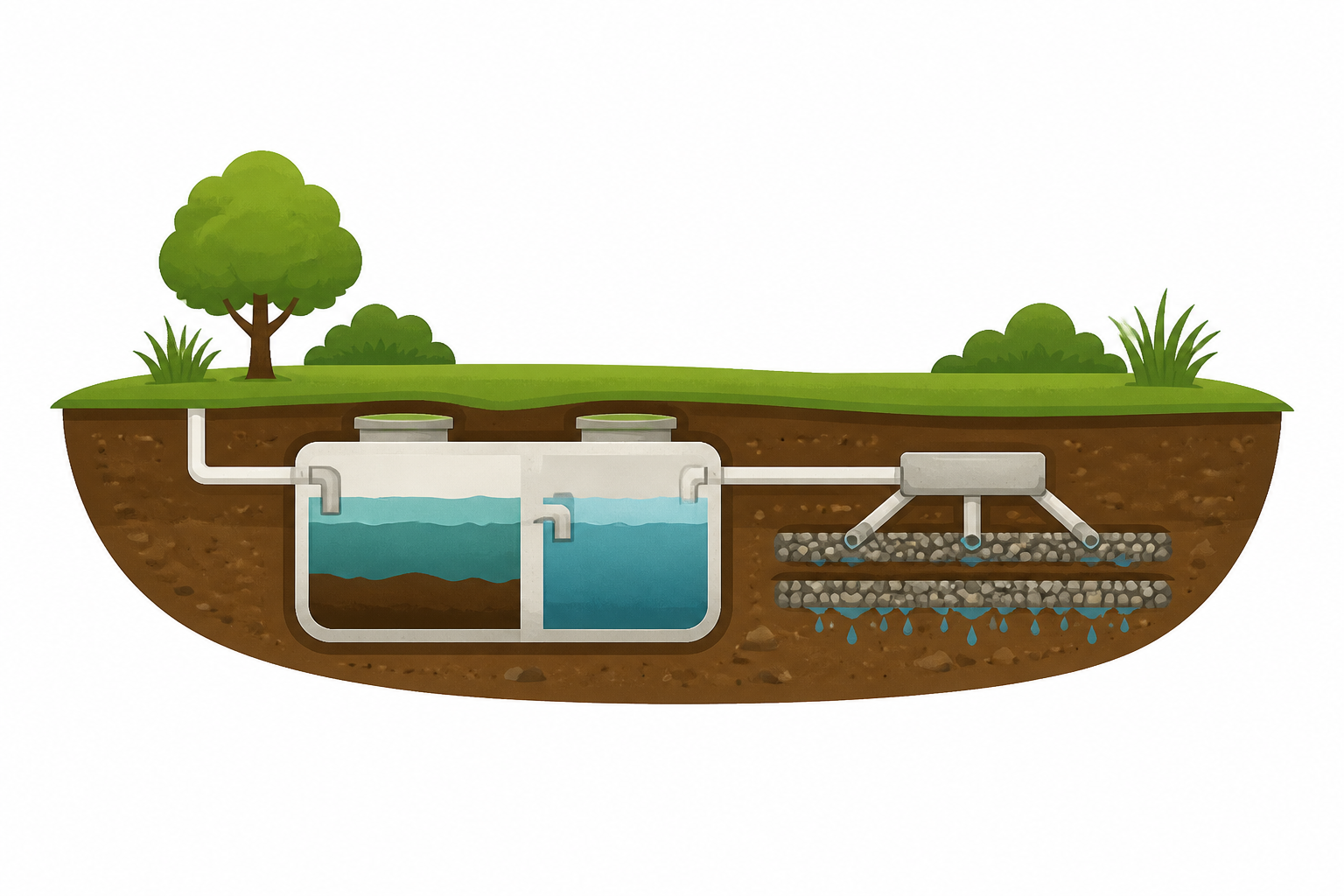
A properly functioning septic tank needs time to do its job — somewhere between 24 and 48 hours for wastewater to move through its cycles. During those hours, the heavier materials sink toward the bottom, lighter materials float upward, and the bacteria colonies that live in that tank break down the organic matter. Accelerate the flow by introducing more water than the system can accommodate, and that critical retention window shrinks. Solids that haven’t fully settled get forced downstream into your drain field before they’re ready.
Once those solids reach the drain field, they begin accumulating in the biomat — the biologically active layer of organisms and soil particles that functions as your system’s filter. Restoring a compromised biomat, or replacing it entirely, runs between $3,000 and $15,000 depending on soil conditions and the equipment needed for excavation in your region. Looking back across my inspection records, hydraulic overload accounts for somewhere around 40% of the premature drain field failures I document. That’s not a design flaw or a manufacturing problem. That’s the direct result of how water moves through the system day after day.
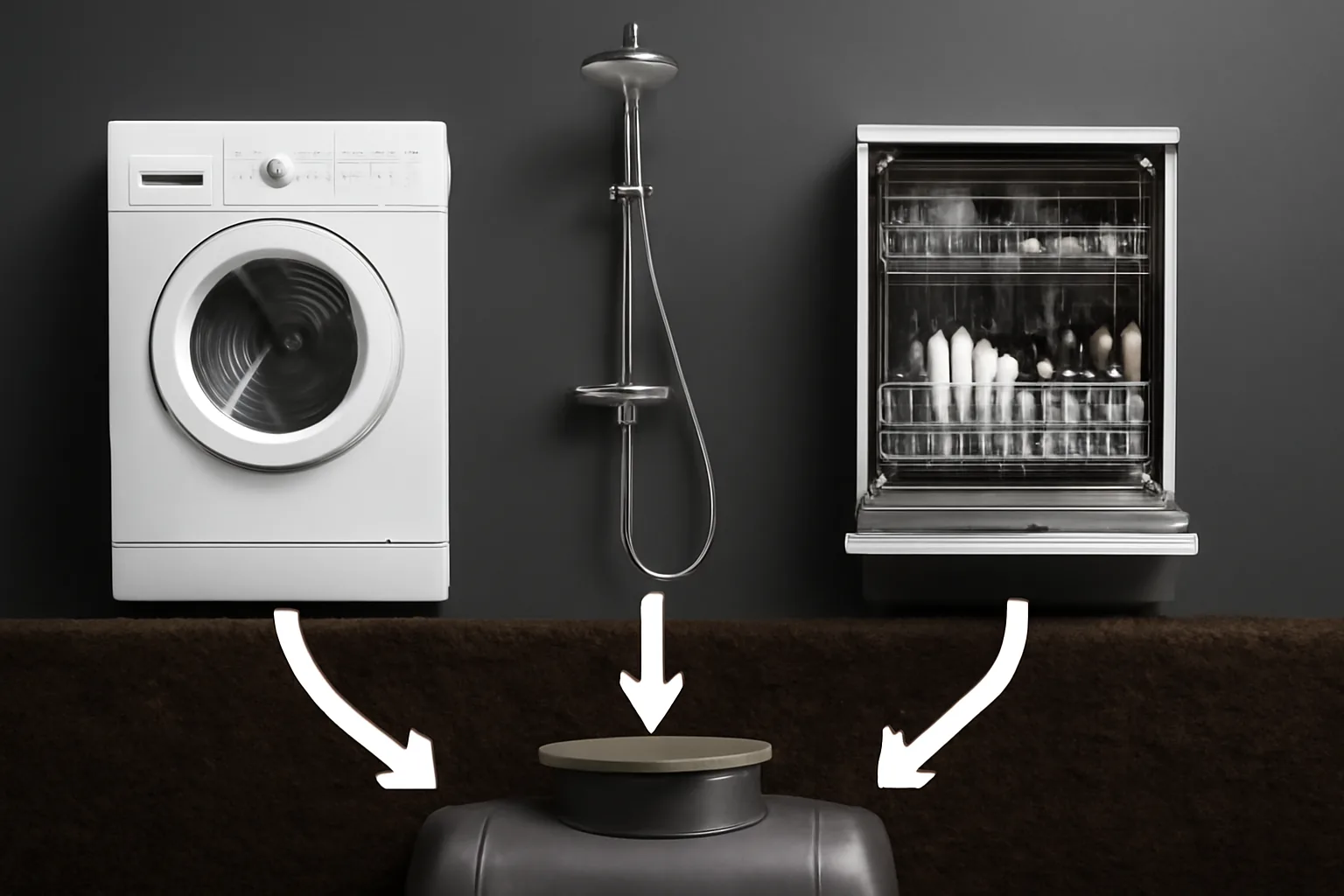
The EPA’s Onsite Wastewater Treatment Systems Manual establishes 50 to 70 gallons per person per day as the baseline design flow for residential septic systems. For a household of four people, that means your system was engineered to handle approximately 200 to 280 gallons on an average 24-hour cycle. I regularly document actual usage at 400 to 500 gallons when laundry days occur. That’s where the silent degradation starts.
Daily Routines That Accumulate Into System Stress
Most people envision septic failure as something sudden — a pipe rupture, a catastrophic equipment malfunction. The reality is far less dramatic and far more common. It’s the cumulative effect of ordinary activities that gradually overwhelms capacity. I’ll break down the specific patterns I’ve observed thousands of times across the properties I’ve evaluated.
Extended Shower Sessions
Standard showerheads discharge water at rates between 2.0 and 2.5 gallons per minute. A typical 15-minute shower session introduces 30 to 37 gallons of wastewater into your tank. Now picture this scenario: four household members each take their morning shower within a compressed two-hour window. That’s potentially 150 gallons entering the system before the mid-morning meal. I’ve stood in bathrooms on inspection days and timed adolescent showers running 20 to 25 minutes. Across an entire family, this single behavior pattern can surpass your system’s entire daily design capacity before your lunch hour arrives.
Concentrated Washing Machine Use
I learned this lesson early on when I told a neighbor to pump their tank, confident that would eliminate their persistent drainage problem. The issue returned within 90 days. Investigating further, I discovered the real culprit: this household was operating their washing machine eight to ten times every Saturday. A standard top-load washer consumes 40 to 45 gallons per wash cycle. Eight loads in a single day means 320 to 360 gallons dumped into a 750-gallon tank. The system simply couldn’t recover hydraulically before the next week’s laundry started. The solution wasn’t more pumping — it was redistributing those loads across the week, capping it at two cycles per day. The drainage problems disappeared entirely.
Toilet Seals and Faucet Drips
A malfunctioning toilet flapper can silently discharge 200 gallons worth of water into your tank throughout a 24-hour period. That’s not a catastrophic rupture — that’s a gradual leak that most households overlook for extended periods. During my inspection visits, I’ve discovered toilets that had been continuously running since previous owners occupied the property. This hidden waste functions hydraulically like housing an additional person on your system. Address leaking faucets and malfunctioning toilets with urgency. It represents the least expensive septic preservation work you can possibly perform.
Low-Flow Aerators: A Ten-Dollar Intervention That Actually Shifts System Performance
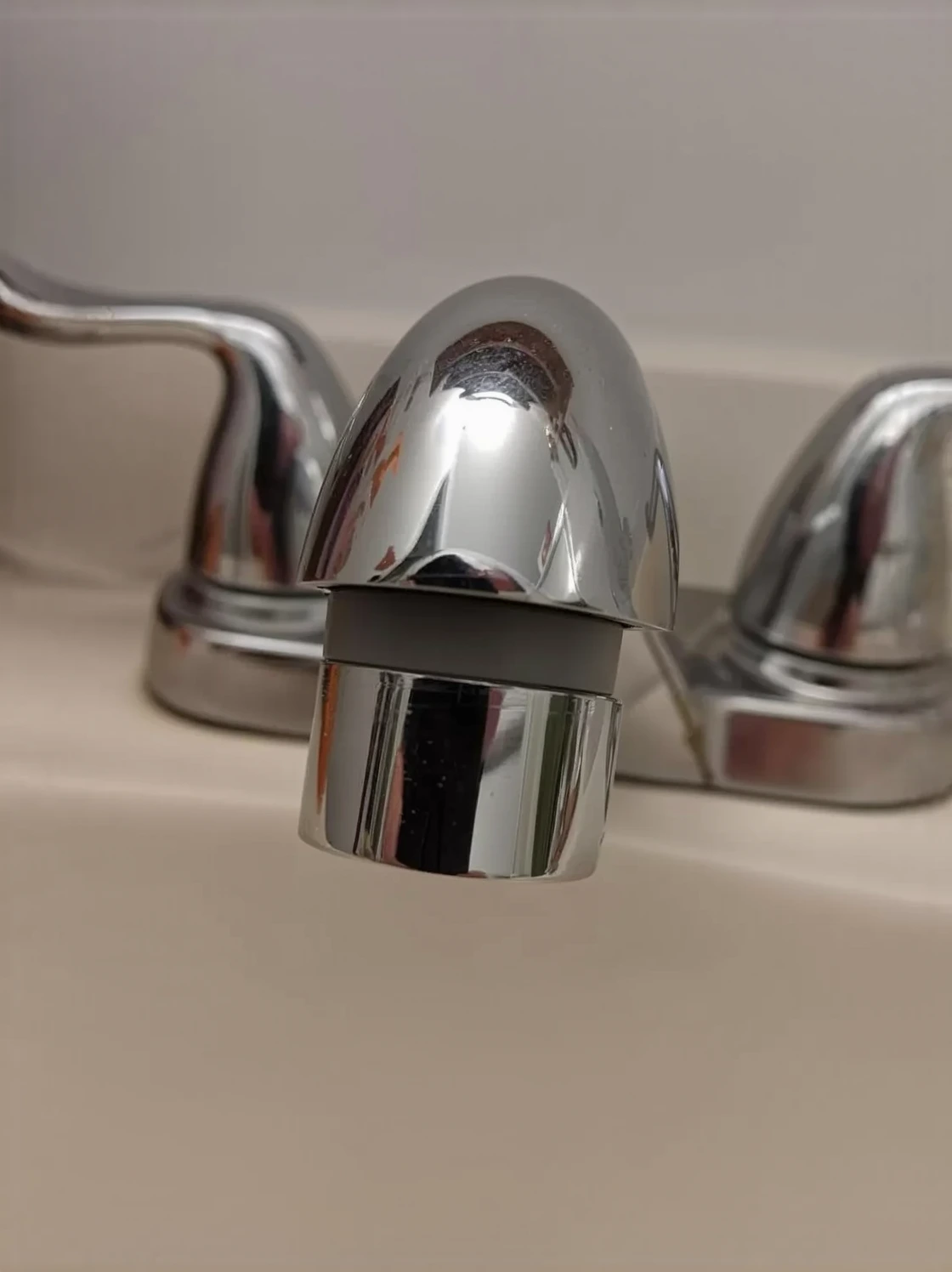
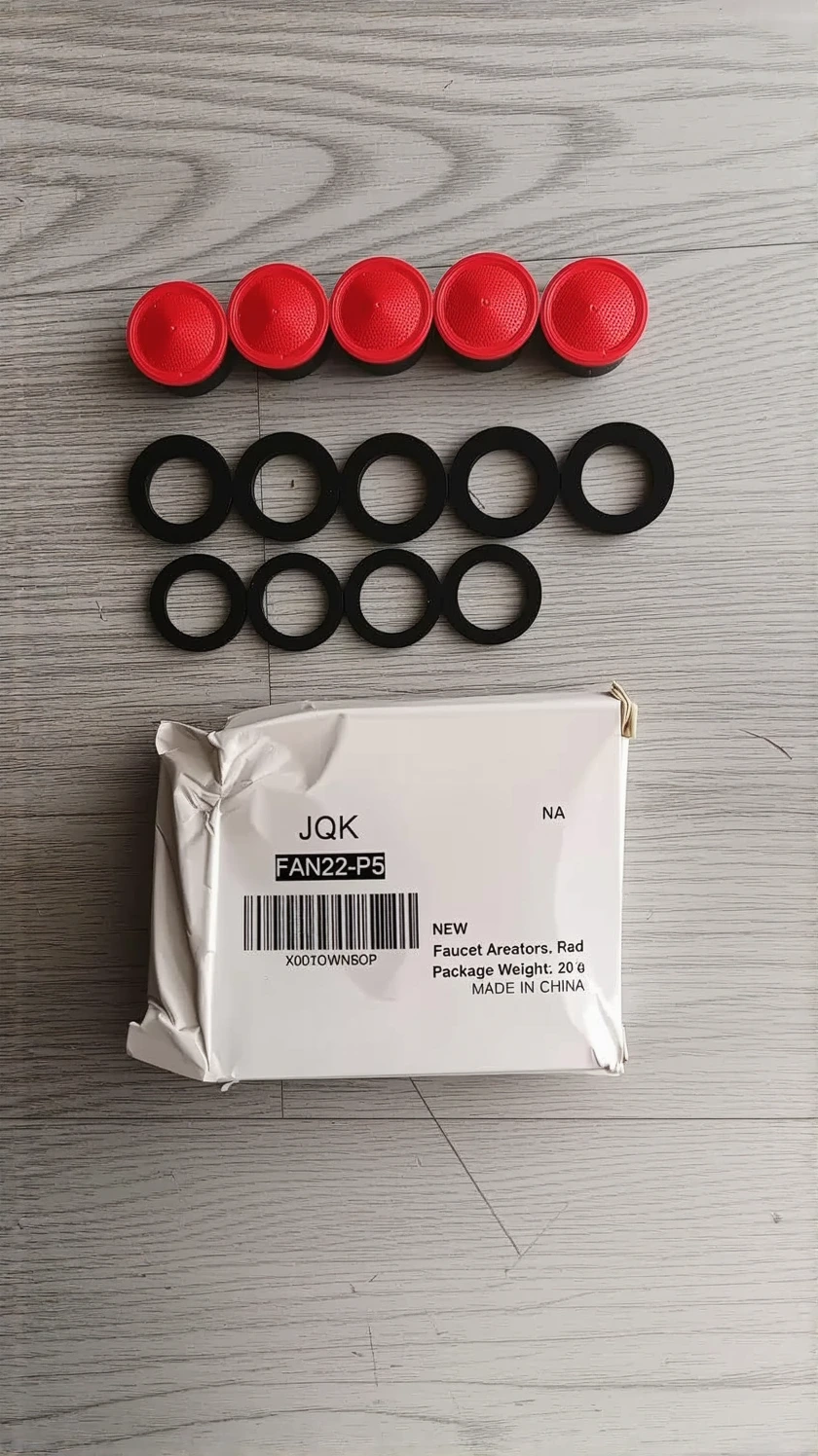
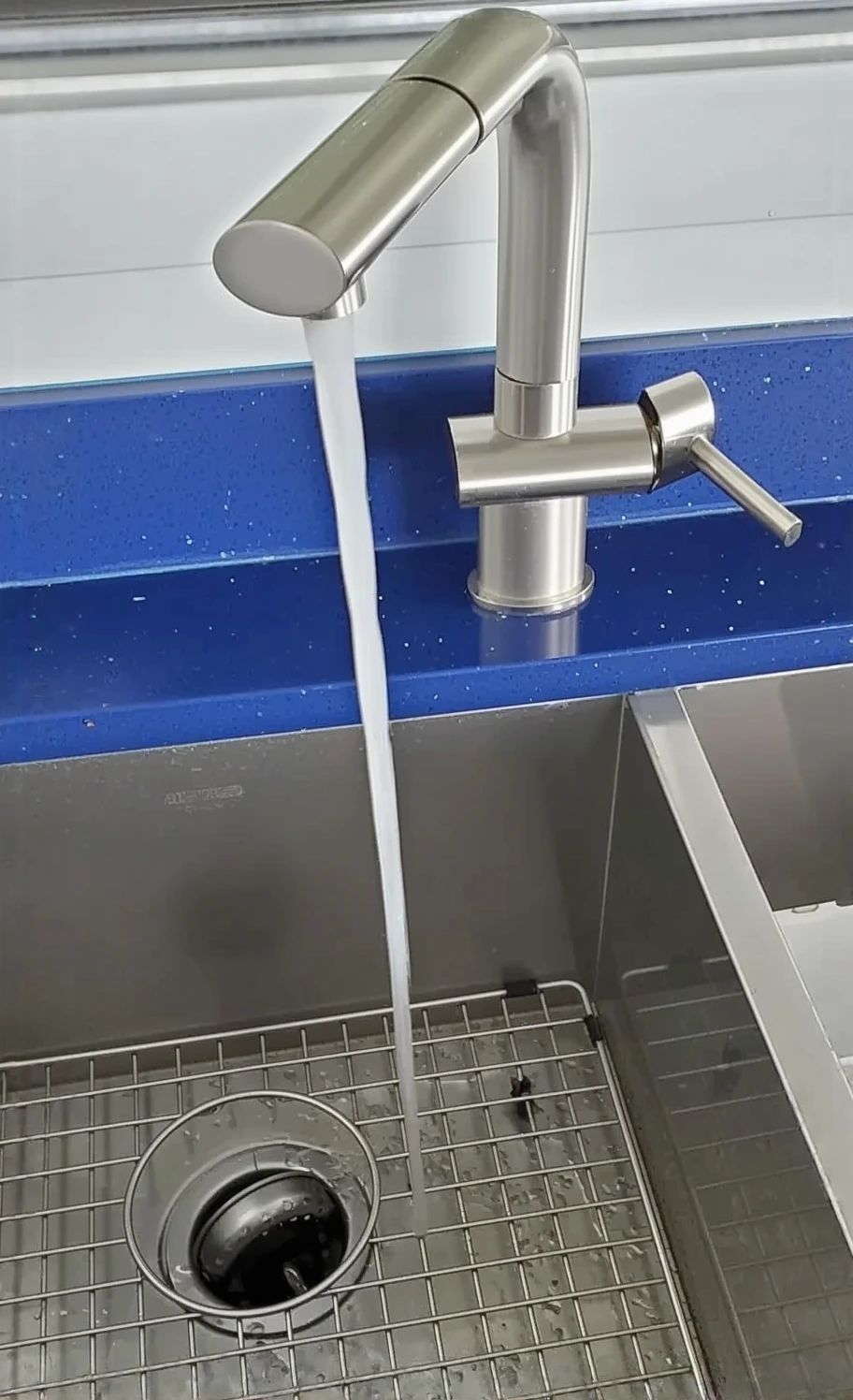
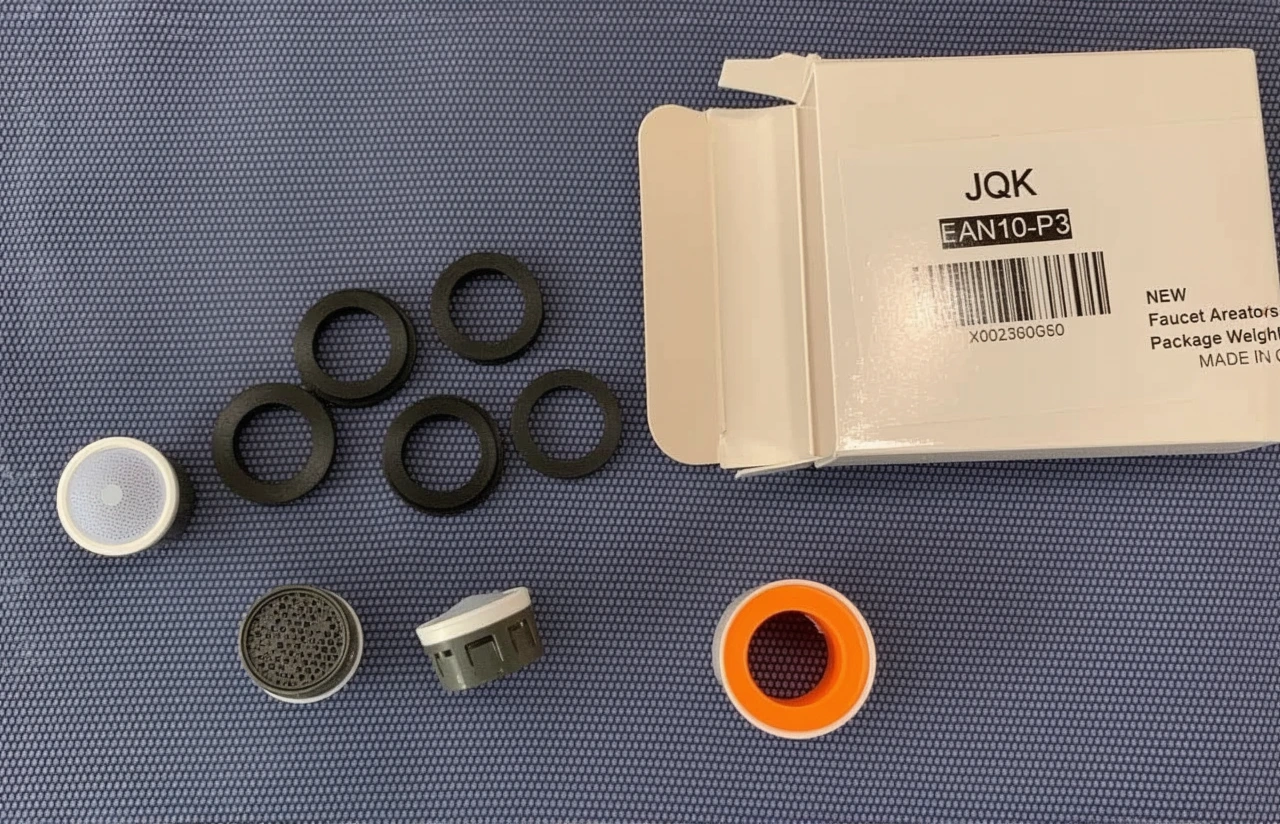
Most property owners remain completely unaware of the volume of water passing through their sinks and showers throughout a typical day. A flow-restricting aerator equipped with pressure compensation reduces faucet discharge substantially while preserving the sensation of adequate water pressure — a balance that finally convinced me it was worth the minor inconvenience to stop dismissing this approach and actually implement it across my properties.
Performance advantages
- Restricts faucet output to 0.5 GPM while maintaining adequate spray pattern and force through internal pressure equalization, eliminating the weak-stream complaint most people associate with flow restriction.
- Requires no specialized knowledge or equipment to install — most threaded aerators unscrew and swap in under a minute, letting you retrofit an entire house without phoning a licensed plumber.
- Annually removes thousands of gallons from your septic load when installed on all four bathrooms — I’ve observed families shift from chronic system stress to normalized operation simply by changing these inexpensive components.
Practical limitations
- Mineral deposits from hard water can accumulate on the aerator screen after 6 to 12 months of use, requiring manual removal and cleaning — straightforward work, but the sort of detail many homeowners eventually forget about.
- House guests occasionally notice the restricted flow and believe something has malfunctioned with your water supply, which often results in awkward conversations near the bathroom sink.
I was skeptical the first time I installed one — I thought my wife would immediately complain about weak water pressure — but she never said a word. That’s when I realized this was the easiest septic protection I’d ever implemented. Check out the Niagara Conservation N3610CH Tri-Max 1-Spray 0.5-1.5 GPM if you want to start cutting your water load without sacrificing comfort.
Sources and further reading
About This Article

Written by Joel Grayson. Rural property owner who learned septic systems the hard way after my own failed 15 years ago. I created Backyard Septic to give homeowners honest, practical guidance on septic installation, maintenance, and troubleshooting. More about this site.
Scope and limits. Joel is an experienced rural property owner, not a licensed septic inspector. Have a licensed septic professional handle pumping, permits, and any diagnosis you plan to act on — and never enter a tank.
Verify this against a primary source
Specifics change, and your situation may differ from the one described here. These are the authorities worth checking directly:
- EPA SepticSmart — septic system care, inspection intervals and failure signs
- NSF International — treatment unit and tank certification standards