I hear this one constantly from neighbors and contractors alike: “Just plant whatever you want—tree roots won’t reach your septic lines if they’re far enough away.” The logic sounds reasonable until you’re standing in a muddy trench looking at a 4-inch PVC pipe absolutely strangled by root fibers. I’ve helped dig out more than a few systems where the homeowner was genuinely shocked to learn that roots had been working their way through the lines for years, completely undetected, while those “distant” trees did their damage silently underground. By the time a toilet backs up or sewage pools in the yard, you’re already committed to spending $3,000 to $8,000—sometimes significantly more—to make it right.
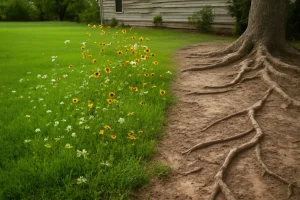
Over the past decade and a half of evaluating septic systems on rural properties, I’ve encountered root infiltration from silver maples, willows, oaks, poplars, and even ornamental cherry trees reaching into pipes from as far as 40 feet away. Tree roots operate on a single directive: chase moisture and nutrients. Your septic line? It’s a beacon broadcasting exactly those signals. That gentle seep of effluent around each joint becomes detectable to searching root systems from remarkable distances. The moment they discover even a hairline opening, they commit to expanding through it relentlessly.
The encouraging part of this picture is that protection is genuinely within reach. You don’t have to bulldoze your landscaping or schedule professional crews on an endless rotation. By combining foundational knowledge, deliberate planting choices, and straightforward installation of physical defenses, your system can remain trouble-free for many years. This article walks through the precise methods I’ve developed in the field — informed by both my own missteps and the patterns I’ve observed across countless installations.
Understanding How and Why Roots Invade Septic Systems
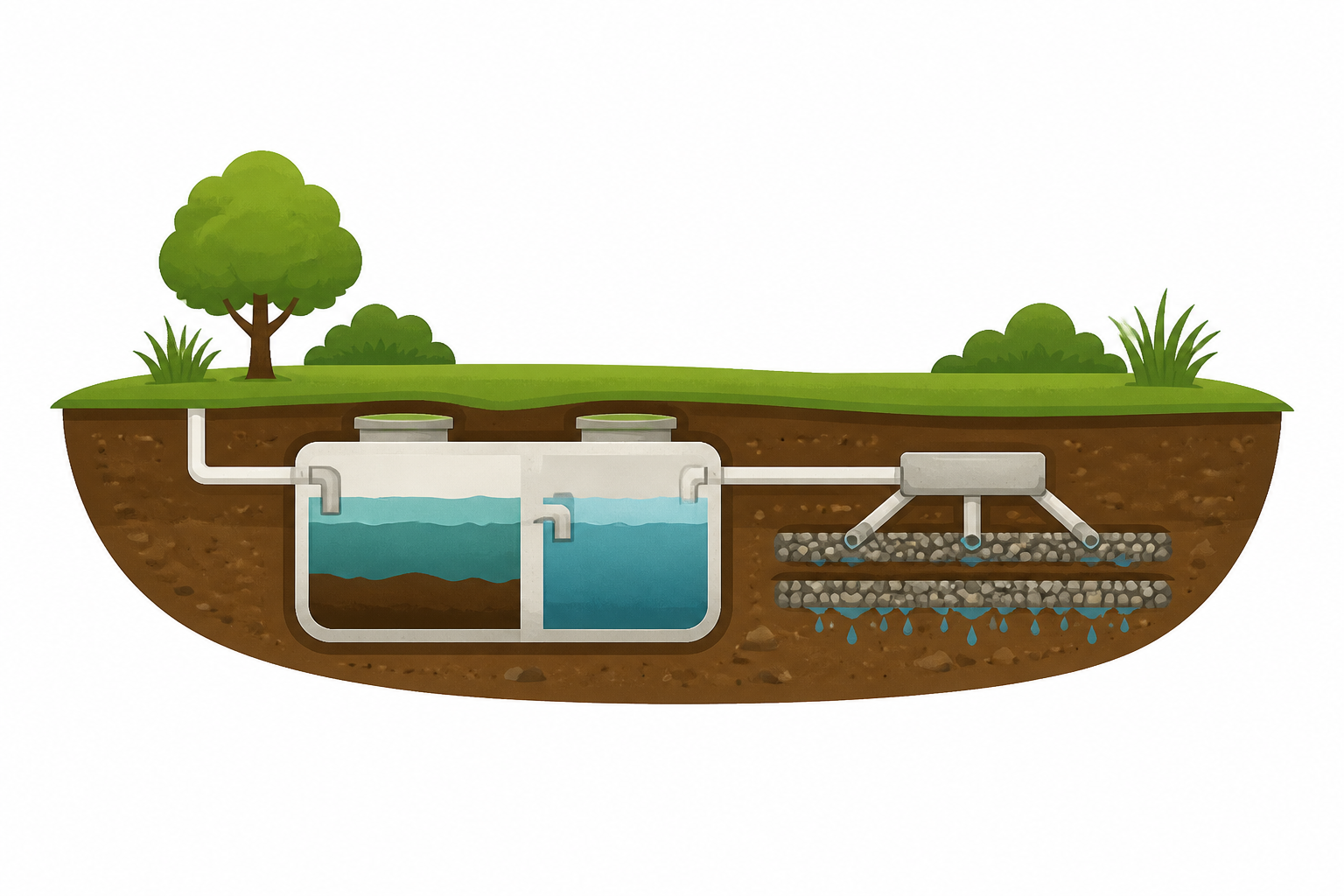
To build an effective defense, you need to first comprehend what roots are actually seeking as they move through soil. The answer is simple: water availability, the oxygen that accompanies it, and the rich nutrients present in decomposing material. Your septic infrastructure delivers all three of these in quantities that make it irresistible to an actively growing root system. The drain field’s network of laterals continuously releases effluent into surrounding soil, establishing a moisture signature and nutrient gradient that roots can sense and pursue across considerable distances. Even the tiniest separation between pipe sections becomes an adequate gateway for penetration.
The problem escalates quickly once roots gain entry. That microscopic thread that squeezes through a 3-inch gap in a PVC coupling doesn’t stay microscopic. It multiplies. Over a span of 24 to 36 months, what began as a single tendril develops into a dense, fibrous network that completely obstructs flow through the pipe. I’ve extracted root masses that resembled compressed hay crammed into a 4-inch diameter pipe. The pipe structure itself usually remains sound — it’s the junctions where two sections meet, and any preexisting fractures or separation points, that serve as the invasion route.
Certain tree varieties carry a higher risk profile in my experience: willows, silver maples, poplars, and cottonwoods all feature aggressive, rapidly expanding root architecture. That doesn’t mean “safer” selections like standard oak or most ornamental maple species are completely harmless. I’ve documented oak root systems traveling 35 feet in search of the moisture beneath a drain field. Actual risk hinges on multiple factors — species characteristics, local soil composition, the elevation of the water table, and seasonal moisture availability. Still, I flag any tree growing within 30 feet of your septic components as worthy of serious consideration.
Minimum Distance Guidelines: Real Numbers for Real Protection
State extension publications and septic codes across the country establish recommended isolation distances for vegetation. My own work aligns closely with what most state health departments publish: ground cover and small shrubs belong at least 10 feet away from tank structures and 20 to 30 feet away from the lateral network of a drain field. Step up to large-canopy trees, and that threshold jumps to 50 feet as a baseline. For species with particularly aggressive root systems like willows and poplars? I advocate for a strict minimum of 100 feet. It seems extreme until you’ve actually witnessed what happens when that separation gets violated.
During last spring, I consulted on a property in central Oregon where a homeowner had installed a windbreak of weeping willows along the perimeter of her fence for screening purposes. Striking specimens. That fence line happened to sit approximately 22 feet from where her drain field’s furthest lateral began. Within six growing seasons, her entire system showed signs of root colonization — all four laterals had been invaded. The final bill for remediation, encompassing new distribution infrastructure and replacement sections of laterals, came to just above $6,400. Those saplings cost roughly $80 each when she bought them.
Here’s the framework I use for categorizing plantings in relation to septic installations:
- Immediate vicinity (10 feet or less): Turf grasses exclusively — their shallow, fine-textured root networks won’t threaten pipes, and they actively contribute to moisture management in drain fields through transpiration.
- Risk zone (between 10 and 30 feet): Short-lived perennials, annual plantings, and minimal ground covers with restricted root depth. Exclude anything with a woody, penetrating root system.
- Transition band (spanning 30 to 50 feet): Compact ornamental specimens and expansive shrubs that don’t exhibit invasive rooting patterns.
- Large shade trees: Position no closer than 50 feet under typical circumstances, extending to 100 feet for high-aggression species.
Installing Physical Barriers: The Most Effective Prevention Strategy
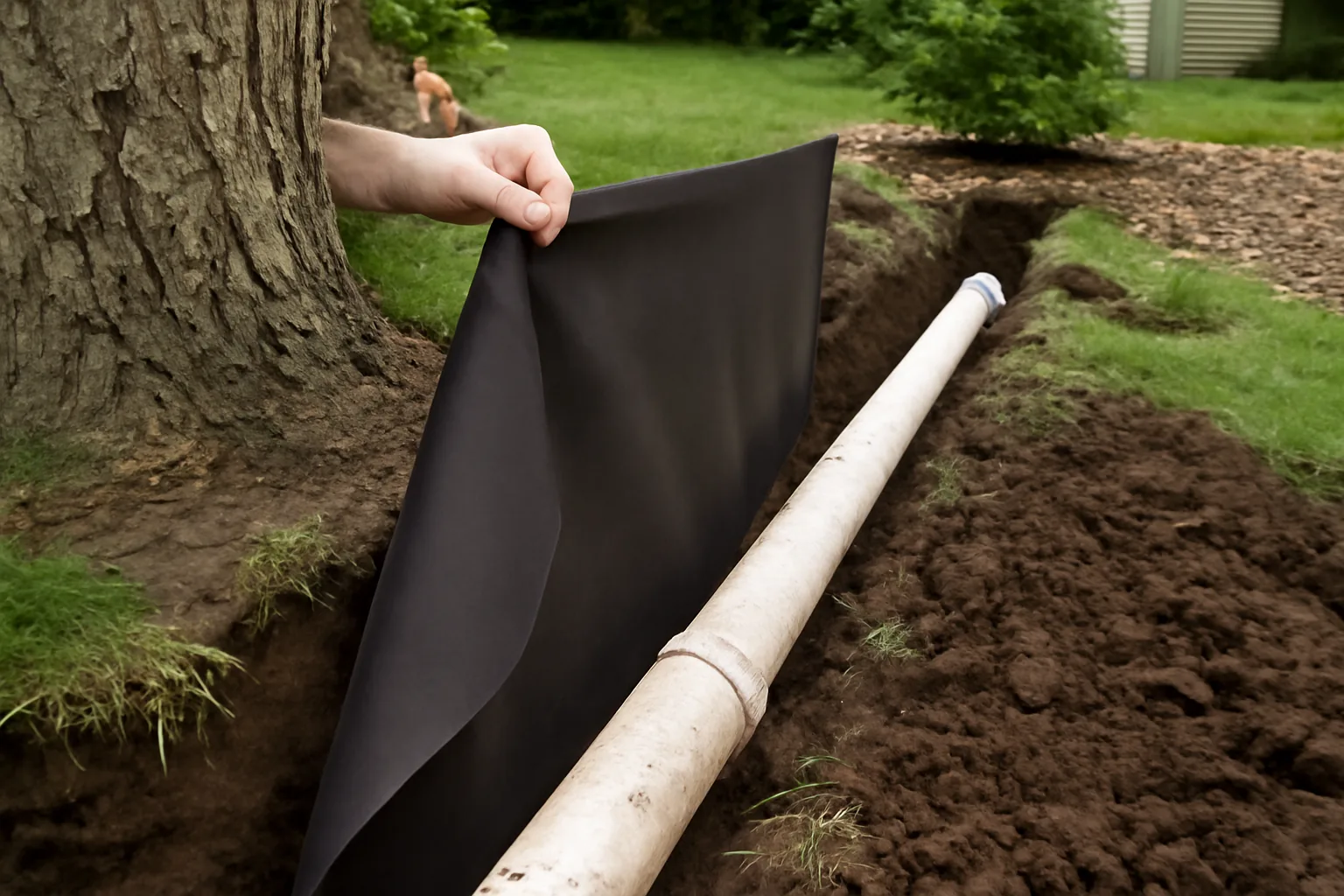
Distance recommendations help, but reality often presents scenarios where existing trees or limited acreage make those ideals impractical. In those circumstances, physical installation of root barriers becomes the practical answer. A root barrier functions as a vertical divider positioned underground that forces emerging roots to grow laterally around rather than through toward your septic components. Installed with proper technique, the success rate is consistently excellent.
I’ve tried numerous barrier products over the years. Most reliable performance has come from thick-gauge HDPE panels — 60-mil or heavier specifically. Anything thinner than 30-mil risks being compromised by aggressive root systems over extended timeframes, particularly when mature specimens are in close proximity. This lesson came the hard way in 2019 when I installed a budget option rated at 20-mil on a property with an established silver maple. By month 24, searching roots had breached it at a seam location. The system itself escaped damage because we caught it early, but that experience ended my experimentation with lighter-gauge materials.
Installation depth carries equal importance to material thickness. For typical residential configurations positioned near septic infrastructure, I spec barriers extending down a minimum of 24 inches. The zone where most aggressive root activity concentrates sits between the soil surface and the 18 to 24-inch mark. Installing deeper than 36 inches produces only marginal gains except in situations involving mature trees with deep-penetrating tap root systems. A standard flat spade and hand tamper suffice for most installations covering distances under 30 feet — mechanical excavation becomes unnecessary for most residential jobs.
My Top Pick: West Bay 60-Mil Root Barrier
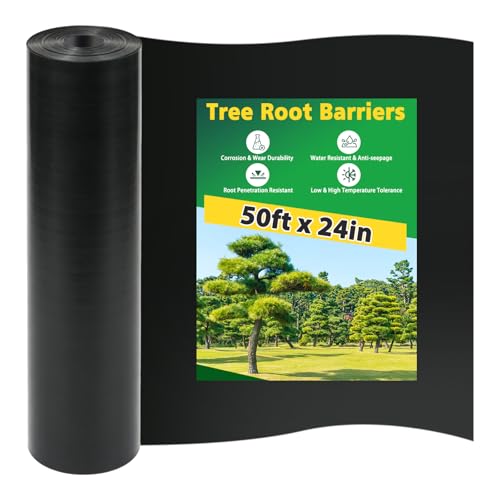
After testing multiple options, the product I now keep in regular rotation is the West Bay 50ft x 24in x 60mil Tree Root Barrier. It’s the combination of dimensions that sold me. The 60-mil thickness is exactly what you need for long-term performance — thick enough to redirect mature root systems without cracking or puncturing under soil pressure. The 24-inch depth hits that sweet spot I mentioned, and the 20-foot panel length covers most residential trench runs without awkward splicing.
I specified this particular product last autumn for a situation involving an established oak tree positioned about 18 feet from a neighbor’s drain field lateral — roughly 18 linear feet of barrier material required, accomplished during a single afternoon. What distinguishes this material during field installation is its capacity to maintain structural rigidity while you’re positioning and securing it, which might sound trivial but genuinely streamlines the process when you’re operating within the constraints of a narrow trench and working independently. After three months in place, zero deflection or settling has become apparent. At the price point for 20 linear feet at this quality specification level, the investment remains competitive — I’ve paid considerably higher rates for institutional-grade barriers offering comparable performance characteristics.
The manufacturer positions this barrier across multiple applications: bamboo containment, landscape delineation, and driveway edge protection. That diversified marketing tells you the material was engineered to resist determined root systems, not merely decorative applications. For a homeowner whose underground infrastructure represents a five-figure investment, that robust engineering translates to genuine peace of mind.
Economical Alternative Worth Exploring
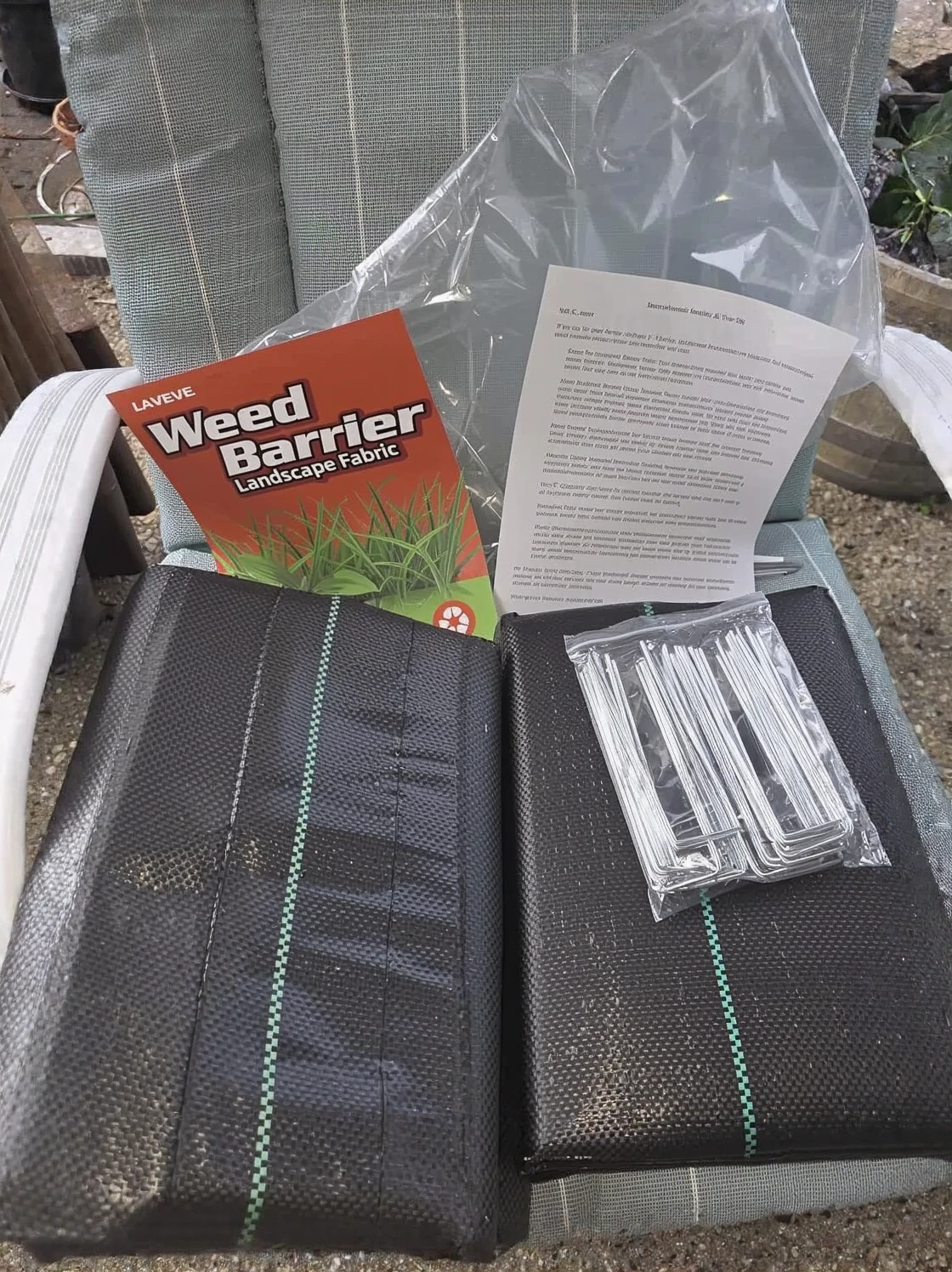
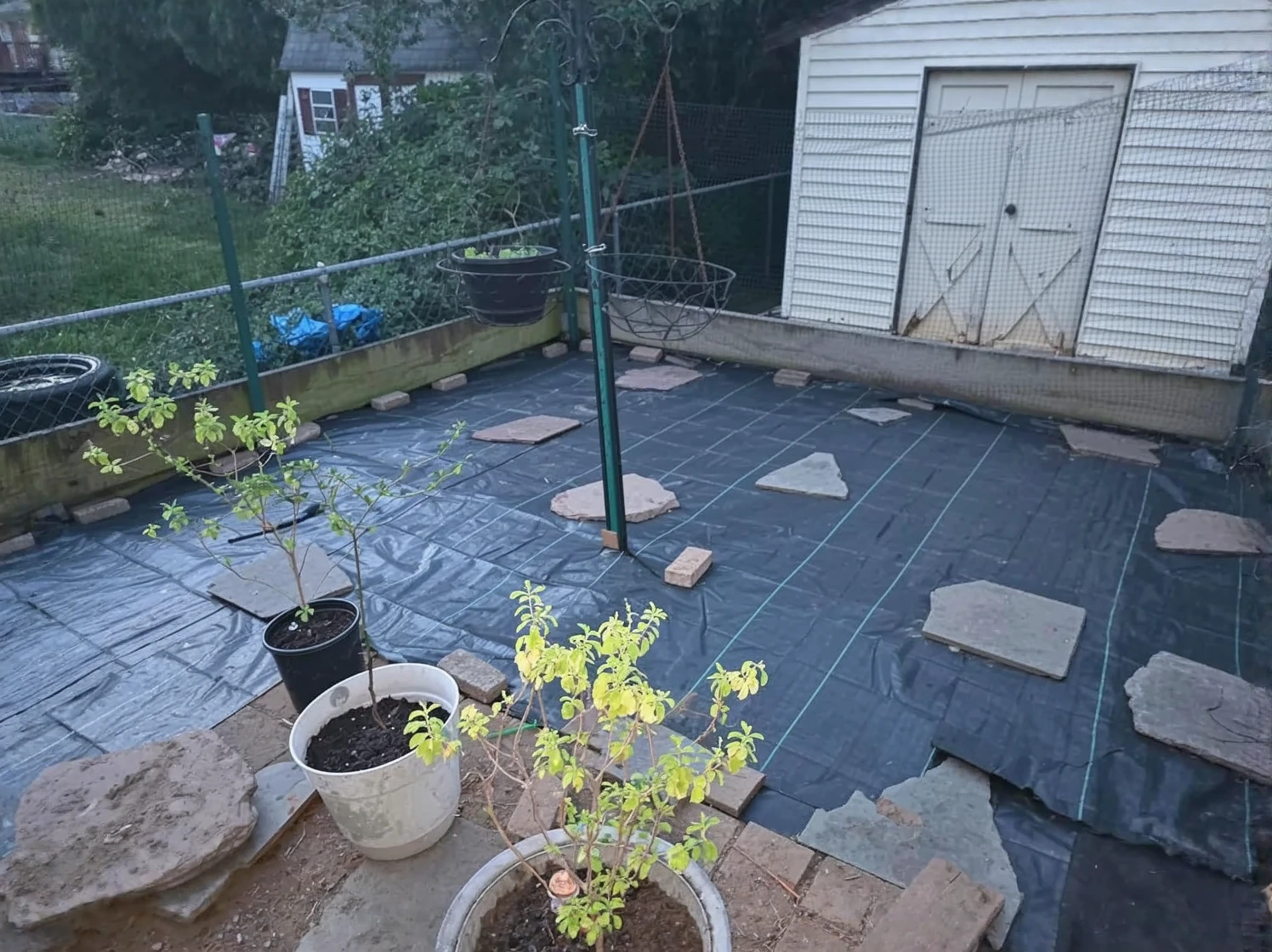
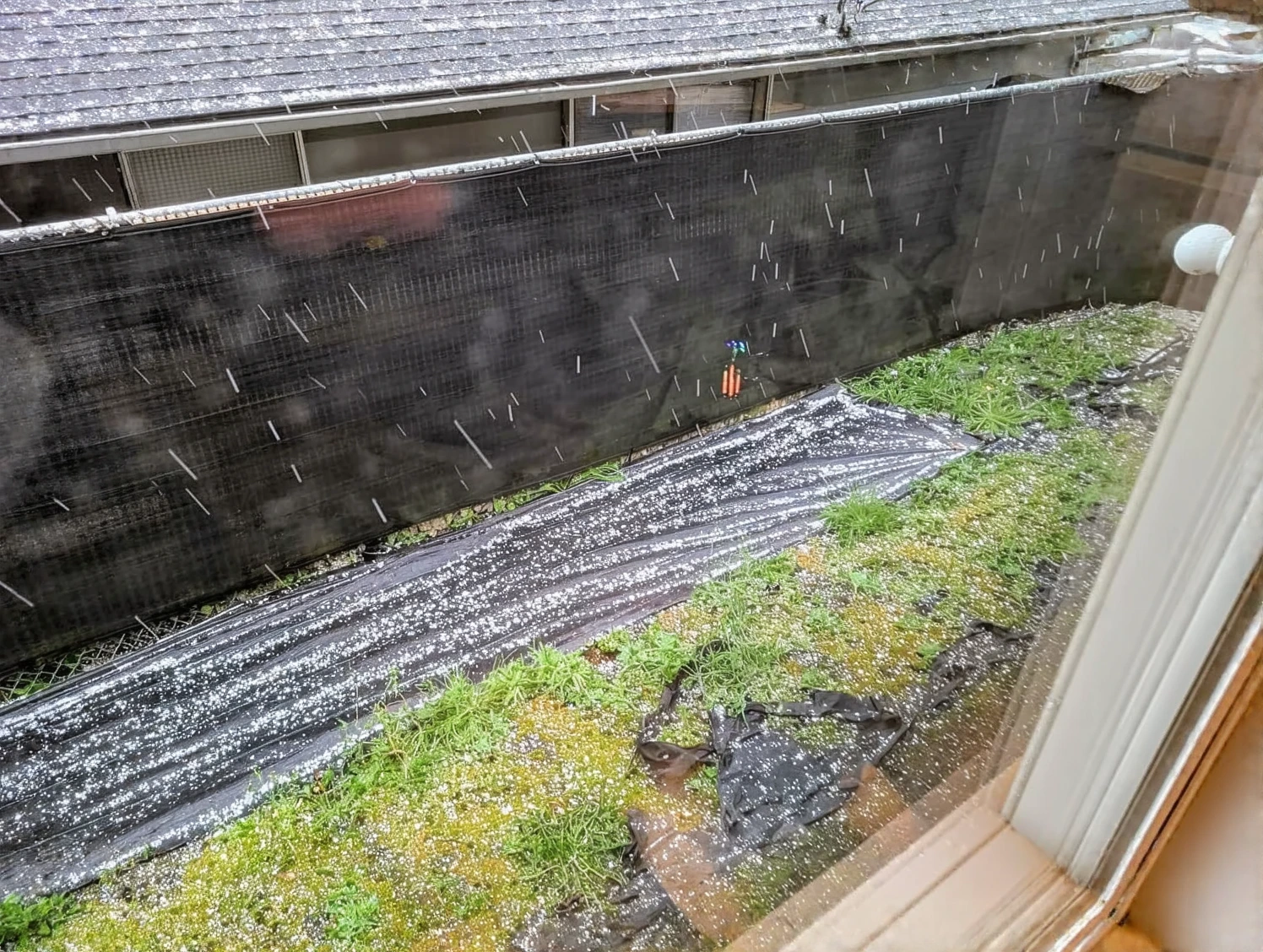
If you’re working with a tighter budget or need to cover a large area with a secondary perimeter barrier, the LAVEVE 4FT x 100FT Weed Barrier Landscape Fabric is a reasonable option for a supplementary layer. At 3.2oz weight, it won’t stop a determined mature root system on its own. However, used as a companion to a rigid barrier — laid horizontally at the base of the trench to discourage downward root growth — it adds a useful secondary layer of protection. It’s also practical for marking and isolating your drain field perimeter so landscapers know where not to dig or plant. Just be honest about its limitations: it’s a weed barrier, not a true root barrier for septic protection.
Chemical Suppression: Understanding Its Role and Limitations
Copper sulfate represents a long-standing chemical approach to managing root presence in pipes and sewer channels. The mechanism is straightforward: it establishes a poisonous perimeter in soil surrounding conduits that eliminates growing root tips before they can penetrate further. Large municipal sewer operators deploy it systematically throughout their networks. For homeowner-scale septic installations, commercial formulations such as Root-X and Roebic K-77 allow periodic application through the system to discourage root ingrowth inside the pipe itself.
In actual practice, these options function better as a preventive maintenance intervention rather than a remedy for established problems. Chemical applications won’t dissolve root masses already blocking pipes. They can’t patch cracks in damaged pipe. What they accomplish effectively is limiting the rate at which fine root tips recolonize interior pipe surfaces following professional mechanical removal, thereby stretching the duration before the next service appointment becomes necessary. Once you’ve paid a professional to mechanically clear an existing blockage and your system has stabilized, incorporating $25 annual copper sulfate treatment represents solid strategy. Layered together with physical barriers, you’ve constructed a robust, multi-layered protection architecture.
An essential limitation deserves emphasis: copper sulfate compatibility isn’t universal across all system configurations. Avoid it entirely if your installation incorporates cesspool elements, certain tank materials including concrete, or if your system’s output enters watersheds designated as sensitive recharge zones. Verify your state and county regulations plus tank manufacturer documentation before introducing any chemical substance. Specific jurisdictions maintain restrictions on copper sulfate application in aquifer protection areas.
Professional Assessment: Recognizing When DIY Approaches Fall Short
Homeowners can successfully manage a root barrier installation themselves. The process of excavating a trench 18 to 24 inches deep along a 20-foot span, positioning a protective panel, and backfilling involves real effort but limited complexity. Using standard equipment — a digging spade, wheelbarrow, and a hand compactor — most owners with a clear afternoon can complete a reasonable project. I’ve guided many through the process remotely.
However, specific circumstances mandate engaging a licensed professional inspector before attempting any preventive work. Slow drainage, persistent odors emanating from yard areas, or observed dampness concentrated above drain field locations all signal active root penetration or underlying pipe deterioration requiring professional diagnosis first. Placing a protective barrier over an already-compromised system doesn’t address the root cause and may actually complicate eventual corrective repairs by covering access points.
Another critical consideration: if you lack a reliable as-built schematic showing precise underground component placement, avoid excavation work. Contact your county health department — many maintain filing systems tracking permitted installations — or bring in a specialist equipped with locating instruments. Striking a lateral line or distribution box while digging ranks among the most expensive mistakes a homeowner can make. Professional locating services typically run $150 to $300 for comprehensive mapping and completely justify that cost before breaking ground.
Protection Strategy: Bringing It All Together
A comprehensive approach to keeping tree roots from infiltrating septic components requires three synchronized strategies operating in concert: deliberate decisions about what gets planted where, physical barriers installed strategically in vulnerable zones, and regular system maintenance. Each component remains accessible and straightforward. Acting together, they function as protective armor for infrastructure that most households cannot quickly or inexpensively replace.
If forced to prioritize a single recommendation for every rural property owner: take a tour of your land right now and document every tree standing within 50 feet of buried septic components. Note each species. Honestly evaluate what threat level it represents. Based on that assessment, determine whether this season makes sense for installing defensive barriers. An investment of time over a single weekend digging trenches today averts the possibility of a devastating five-figure reconstruction bill half a decade from now. That economic relationship has stayed consistent across every situation I’ve observed — and it remains as relevant today as when I started this work.
For most properties, the West Bay 50ft x 24in x 60mil Tree Root Barrier is the product I’d start with. It’s the right thickness, the right depth, and handles real field conditions. Pair it with an annual copper sulfate treatment and sensible planting practices, and you’ve built a genuinely effective defense for your system.
Sources and further reading
About This Article

Written by Joel Grayson. Rural property owner who learned septic systems the hard way after my own failed 15 years ago. I created Backyard Septic to give homeowners honest, practical guidance on septic installation, maintenance, and troubleshooting. More about this site.
Scope and limits. Joel is an experienced rural property owner, not a licensed septic inspector. Have a licensed septic professional handle pumping, permits, and any diagnosis you plan to act on — and never enter a tank.
Verify this against a primary source
Specifics change, and your situation may differ from the one described here. These are the authorities worth checking directly:
- EPA SepticSmart — septic system care, inspection intervals and failure signs
- NSF International — treatment unit and tank certification standards