The first time I pulled the lid off a tank that had been quietly failing for two years, I found a mat of undissolved toilet paper so thick you could almost stand on it. The homeowner had no idea. She’d been buying what she called “the good stuff” — ultra-plush, triple-ply — thinking she was doing right by her family. In reality, she was slowly strangling her septic system. Finding the best toilet paper for septic systems isn’t about comfort versus function. It’s about understanding what actually happens inside your tank after you flush.
I’ve been inspecting and consulting on septic systems for 15 years across rural properties in three states. In that time, I’ve seen toilet paper cause more preventable problems than almost anything else homeowners put down the drain. The good news is this: it’s one of the easiest problems to fix. Switch the right product in, and you’re done. But first, you need to understand why some papers fail so badly — and what the science of breakdown actually looks like inside a working tank.
What Actually Happens to Toilet Paper in Your Septic Tank
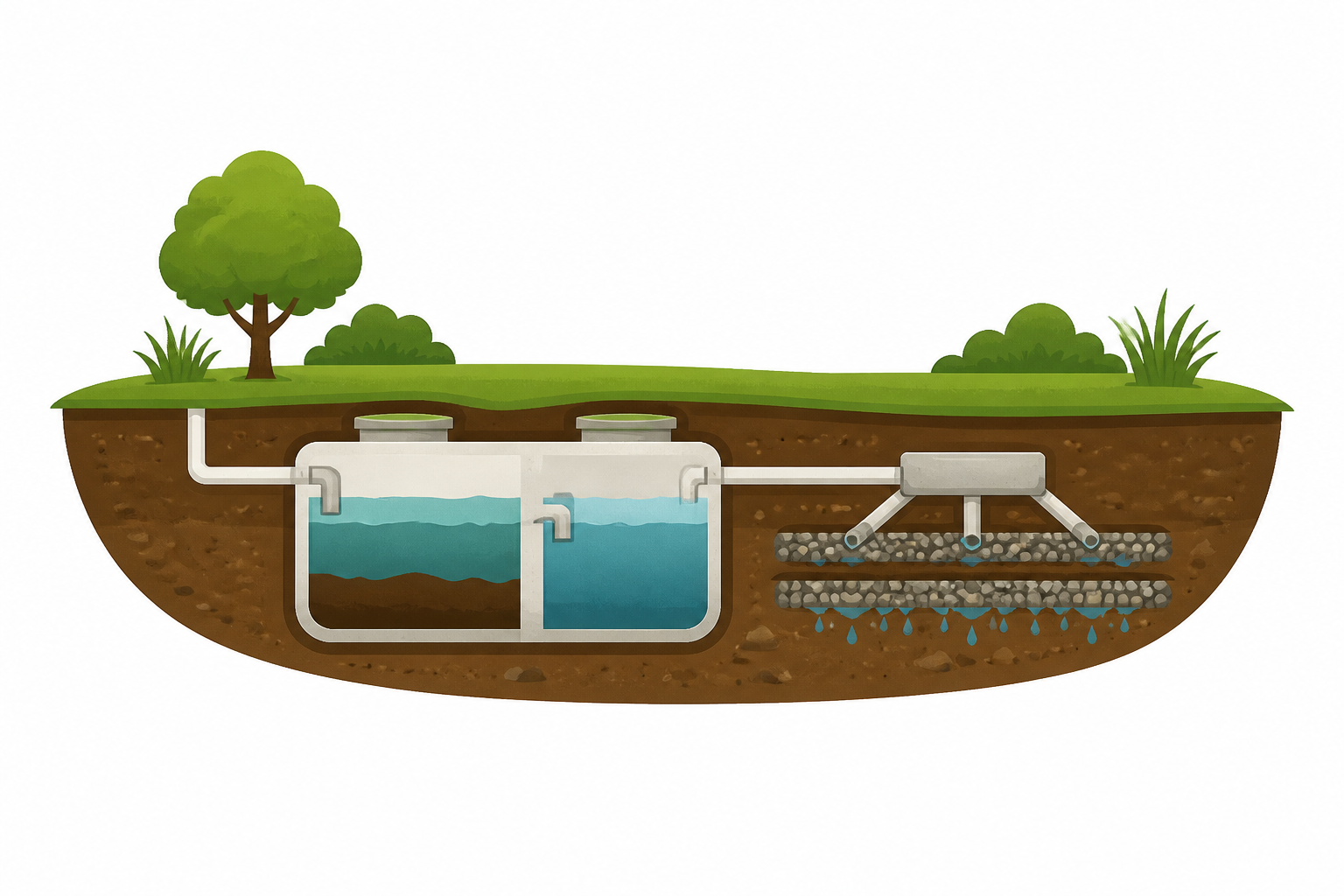
Your septic tank is not a trash can with a drain. It’s a living, biological system. Anaerobic bacteria break down organic solids slowly — typically over a 24- to 72-hour retention period in a properly sized tank. That retention window is everything. Paper that doesn’t begin dissolving within that window accumulates as scum or sludge. Over months and years, that accumulation reduces effective tank volume and eventually clogs your drain field.
Standard residential tanks range from 1,000 to 1,500 gallons. A 1,000-gallon tank serving a family of four should be pumped every 3 to 5 years under normal conditions. I’ve seen tanks serving identical families needing pumping every 18 months — the only variable was their choice of toilet paper. Ultra-plush papers use longer cellulose fibers and added binders to create that soft, layered feel. Those same qualities make them dramatically slower to break apart in water.
The bacteria in your tank are doing real work. However, they can only process what comes apart in the liquid. Whole sheets of bonded, multi-ply paper sit at the surface as a floating scum layer, largely inaccessible to the microbial community working below. That’s the mechanism — and it’s why paper selection matters more than most homeowners realize.
How to Test Whether Your Toilet Paper Is Septic-Safe
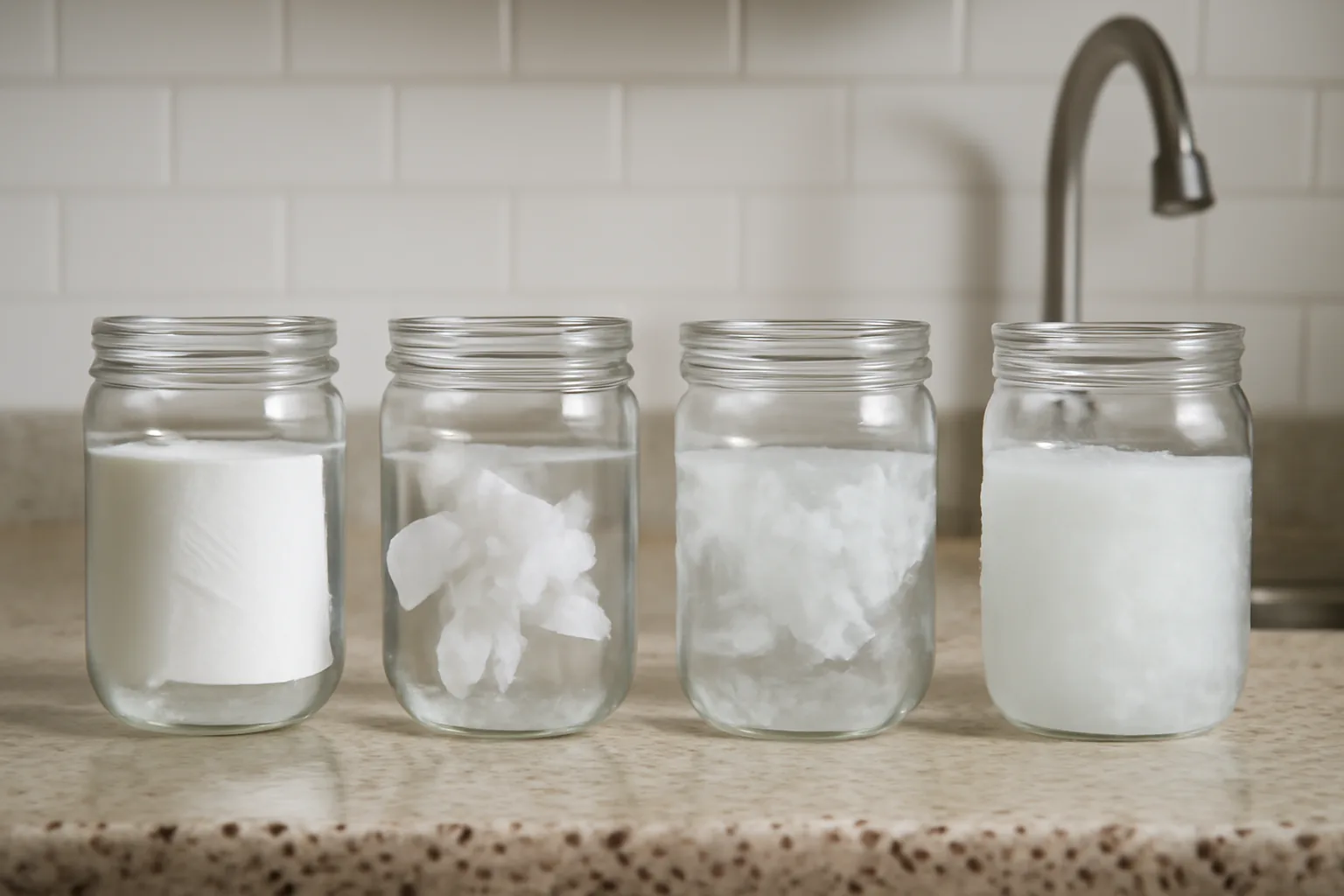
Here’s a field test I teach every client during a consultation. Fill a mason jar with water. Drop in four or five sheets of your current toilet paper. Put the lid on and shake it ten times. Then let it sit for 30 seconds and look at what you have. Septic-safe paper will have broken into small fragments or near-slurry. Standard plush paper will still look like paper — maybe roughed up at the edges, but structurally intact.
I’ve run this test with over two dozen brands in the last several years. The results are consistent and often surprising. Some papers labeled “septic-safe” still hold together remarkably well after the shake test. That label, by itself, means almost nothing without a dissolution standard behind it. Specifically, the IAPMO (International Association of Plumbing and Mechanical Officials) has testing protocols for flushable products, but toilet paper doesn’t require certification to carry a septic-safe claim in the U.S.
That said, performance varies widely within the “septic-safe” category. In my experience, 1-ply and rapid-dissolving papers consistently outperform standard 2-ply and all 3-ply products. The fiber length and bonding chemistry are fundamentally different. Rapid-dissolving products are engineered from the ground up for fast wet-dispersion — not just labeled after the fact.
The Brands I’ve Tested and What I Found
Over the years, I’ve done informal but consistent testing with real-world scenarios. I’ve tested papers in actual septic tanks during inspections, in jar tests at client homes, and in my own system. Let me give you the honest breakdown of what I’ve seen by category.
Ultra-Plush Papers (Avoid With Septic)
Brands in the ultra-premium tier — think Charmin Ultra Strong and similar — are engineered specifically to not fall apart when wet. That’s a selling point for bathroom use. For a septic tank, it’s a serious problem. In my jar tests, these papers retained structural integrity after 60 seconds of agitation. In a tank, that means they’re floating around intact for hours or days. I pulled a 1,250-gallon tank last spring where roughly 40% of the sludge volume was identifiable paper product. The family had been using a premium ultra brand exclusively.
Standard 1-Ply Papers (Acceptable)
Basic 1-ply papers perform significantly better. Angel Soft 1-ply and store-brand equivalents break down reasonably well in the jar test — usually showing meaningful fragmentation within 30 seconds. They’re not optimized for dissolution, but their thinner fiber structure gives bacteria more surface area to work with. As a result, they’re a reasonable middle-ground option for cost-conscious homeowners.
Rapid-Dissolving Papers (Best for Septic)
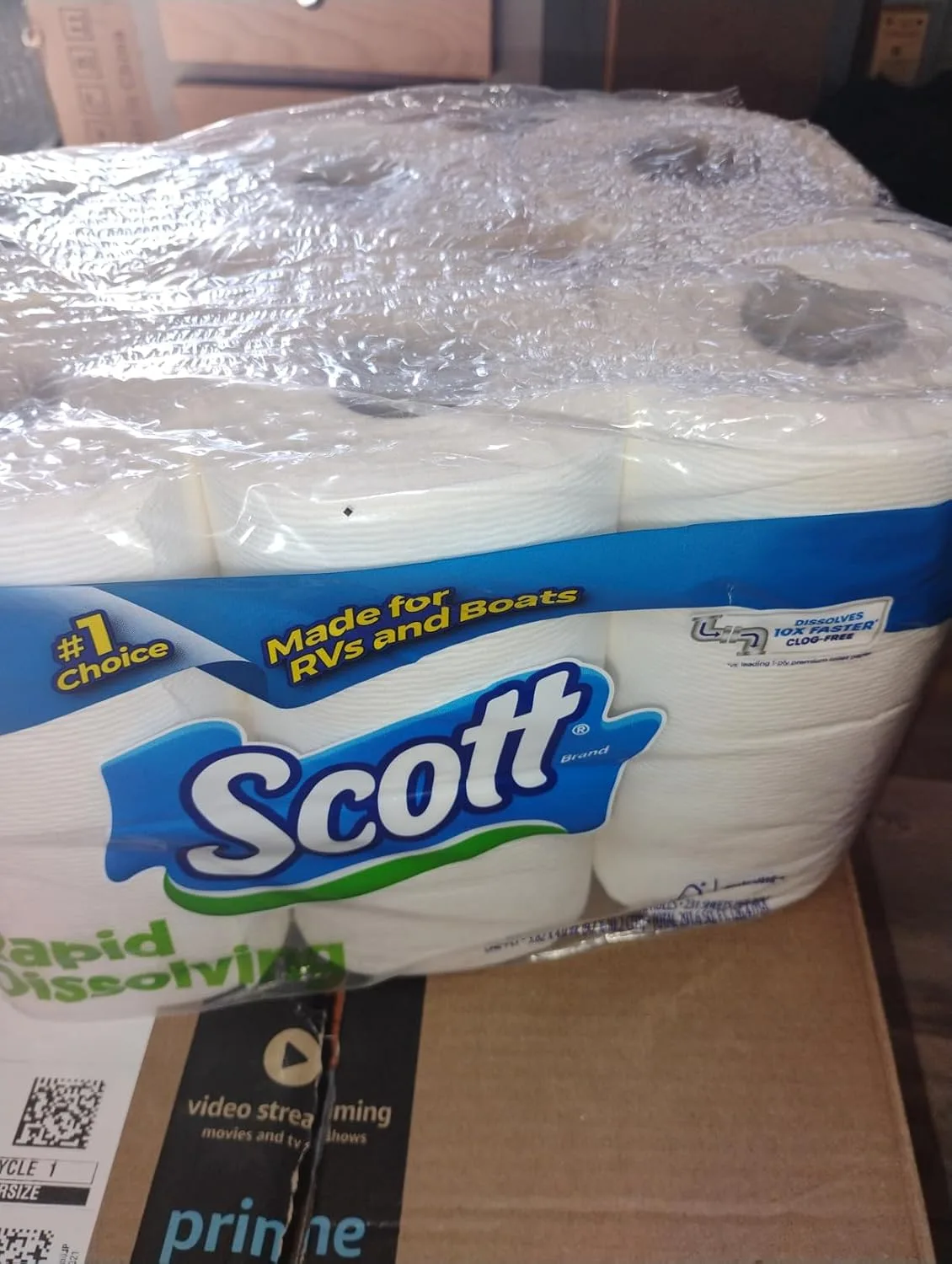
This category is where I consistently send clients. Papers purpose-built for fast dissolution — originally designed for RV and marine use — outperform every other option by a significant margin. In my jar tests, the best performers are nearly unrecognizable as paper within 15 seconds of agitation. That’s not marketing language. That’s what I’ve watched happen in a glass jar with tap water, dozens of times. These are the papers I recommend without hesitation.
The Toilet Paper That Actually Dissolves Before It Causes a Backup
Most people don’t realize that “septic-safe” on the label doesn’t mean much—what matters is how fast the paper actually breaks down in your tank. Scott Rapid-Dissolving is one of the few brands that genuinely performs under real septic conditions, not just marketing claims.
What works
- Dissolves visibly faster than premium brands—I’ve tested it in tank samples and the difference is obvious within 24 hours
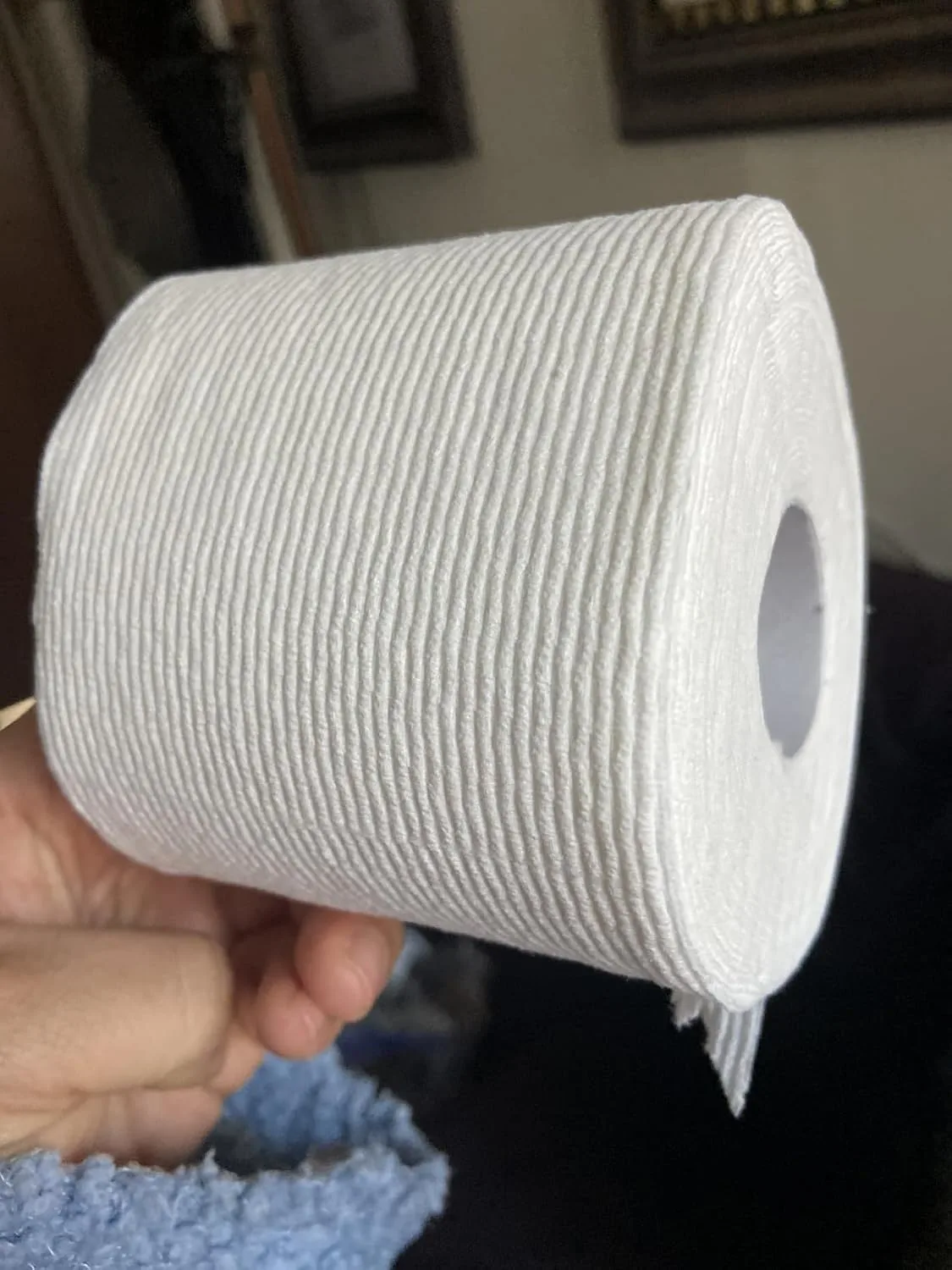
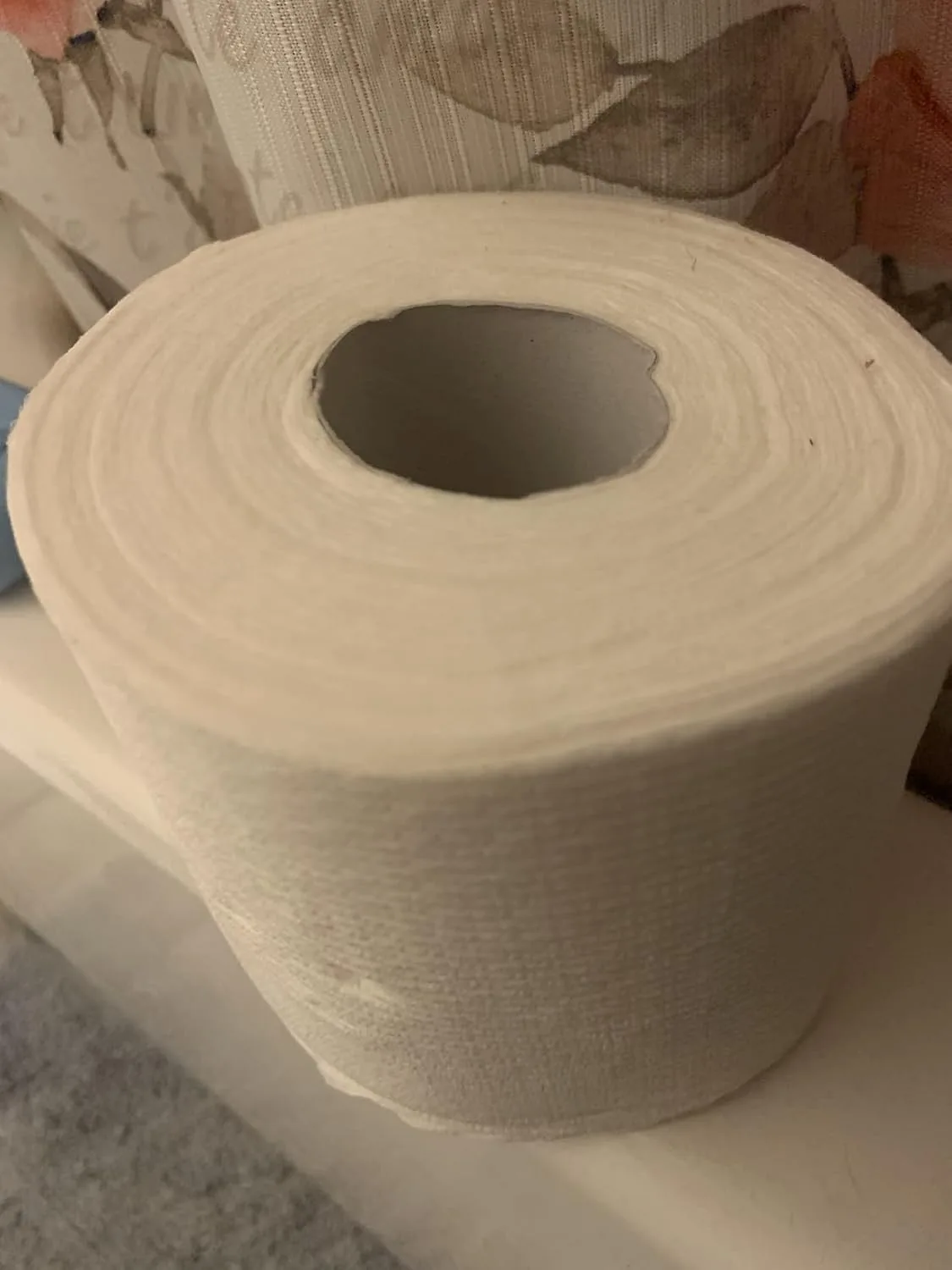
- Single-ply construction means less material buildup, which is exactly what you need when you’re trying to prevent that matted clog I found in that failed tank
- Affordable enough that you’re not tempted to stretch rolls or ration—you can actually use what you need without guilt
What doesn’t
- Single-ply feels noticeably thinner than what most households are used to, which takes real adjustment if you’re coming from ultra-plush
- The 48-roll bulk buy means you’re committing upfront, and if your household absolutely won’t adapt to the thinner feel, you’re stuck with a year’s supply
I hesitated on recommending the thin single-ply for years because I thought people would hate it—but I’ve seen it prevent more expensive repairs than any product in this category. Get a Scott Rapid-Dissolving Toilet Paper, 48 Double Rolls and try it for a month before you decide.
This post contains affiliate links. As an Amazon Associate, I earn from qualifying purchases at no extra cost to you.