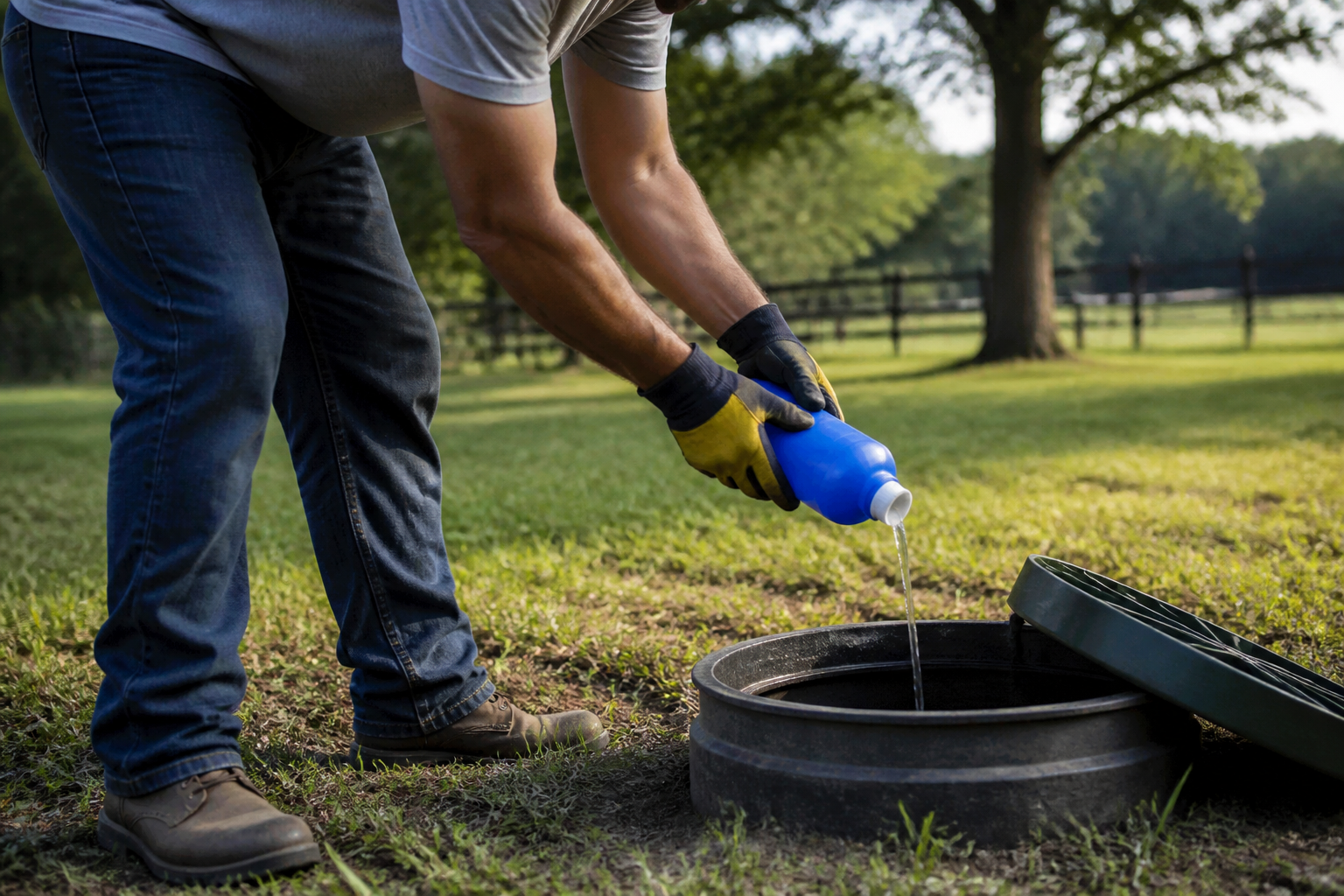
The property disclosure documents you receive at closing rarely spell out the biological reality of the treatment system buried under your yard. An aerobic septic system is, at its core, a miniature factory of living organisms—and that factory can shut down faster than most homeowners realize.
Over the span of 15 years spent diagnosing, installing, and troubleshooting aerobic treatment units across rural counties throughout the Southeast, I’ve come to understand that the difference between a system running flawlessly for two decades and one that deteriorates unexpectedly hinges on the health of a single microbial population. Most people who own these systems have no idea they’re relying on fragile living colonies—or how quickly everyday choices can obliterate them in a matter of hours.
The field has taught me this fundamental lesson: aerobic septic bacteria possess both surprising vulnerability and remarkable capacity for recovery. They succumb to antibiotics you swallow, electrical disruptions beyond your control, disinfectant concentrations that drift outside acceptable ranges. Yet when you understand what threatens them and how to defend against those threats, they demonstrate genuine resilience and durability.
Understanding Aerobic Septic Bacteria—Two Distinct Populations Working in Parallel
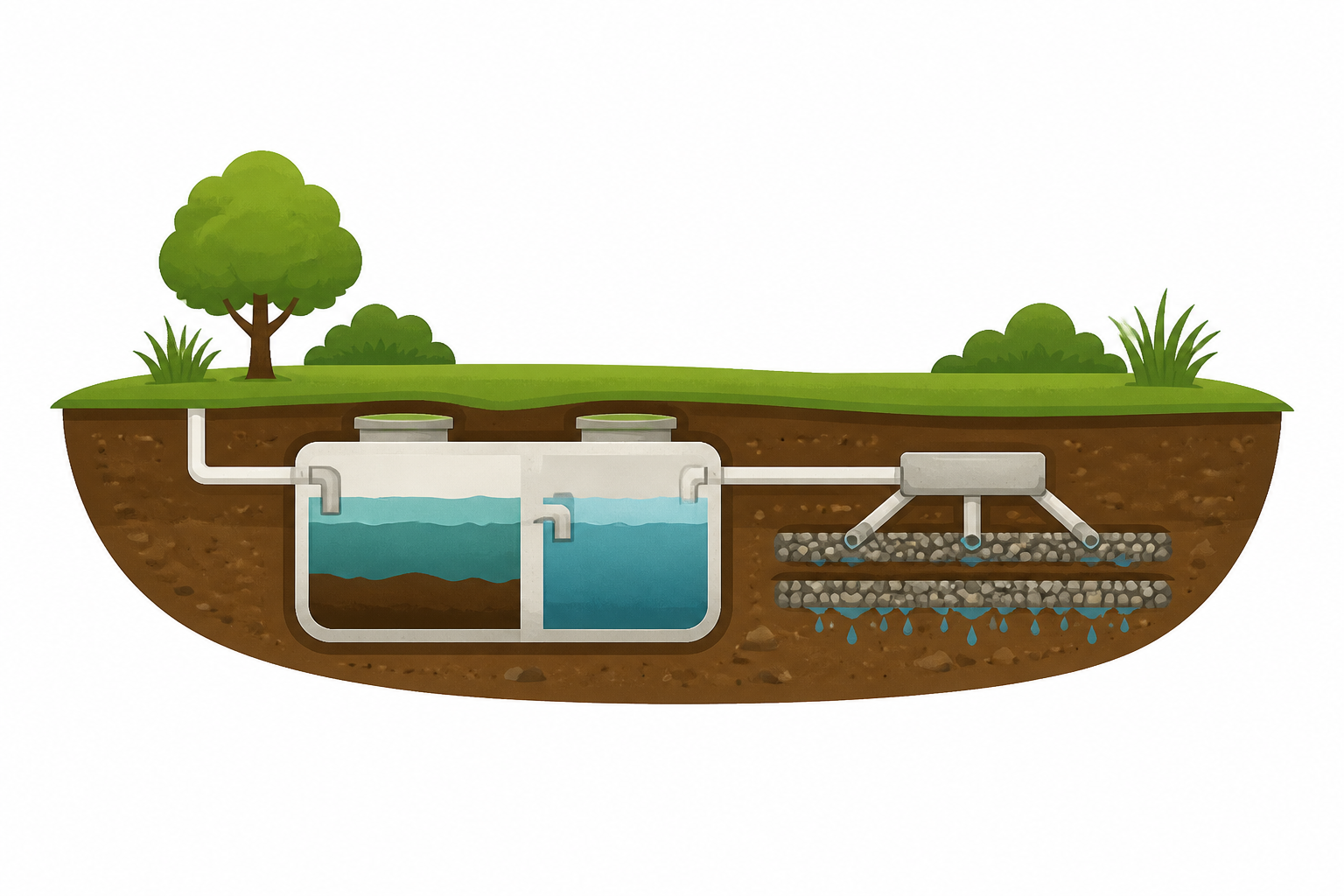
An aerobic treatment unit (ATU) functions as a contained biological laboratory where two separate bacterial ecosystems perform specialized roles in sequential stages. Grasping how each population operates is essential for maintaining system longevity and performance.
The first population consists of heterotrophic bacteria. These microorganisms consume dissolved and particulate organic material—the actual waste stream entering your tank. They attack biological oxygen demand (BOD) and liquify suspended matter, generating metabolic energy throughout the process. Heterotrophs are aggressive competitors and rapid reproducers. In my inspections, they rarely present problems by themselves.
The second population—considerably more temperamental—comprises autotrophic nitrifying bacteria. Two genera dominate: Nitrosomonas transforms ammonia (NH₃) into nitrite (NO₂), while Nitrobacter oxidizes nitrite further into nitrate (NO₃). These nitrifying species multiply slowly, remain dependent on precise pH conditions, and demand abundant dissolved oxygen. It’s this nitrifying community that distinguishes a truly functional treatment unit from a basic holding tank, and that permits compliance with NSF/ANSI 245 protocols and regional health board restrictions on nitrogen discharge.
Here’s where the critical disconnect surfaces: nitrifiers require 10–14 calendar days merely to duplicate their cell count. If your environment deteriorates, they perish within days yet demand weeks for full recolonization. Heterotrophs, by contrast, regenerate within 48 hours. This asymmetry explains exactly why a single antibiotic prescription or an extended power interruption can compromise your ATU’s nitrogen-stripping capability for extended periods.
Five Primary Stressors That Devastate Aerobic Septic Bacteria—Patterns From 2,000+ Inspections
Over fifteen years of opening up and studying these systems, I’ve pinpointed the major contributors to aerobic septic bacterial collapse. Recognizing these triggers—and understanding their velocity—equips you to intervene before financial or environmental damage spirals.
1. Prescription Medications and Antimicrobial Household Products
This particular culprit caught my attention years back. One homeowner contacted me two weeks after concluding an antibiotic course describing discoloration and stench in the discharge. A typical fluoroquinolone regimen (such as Cipro) has the potential to wreck nitrifier populations across a 2–4 week window. Additional frequent offenders include tetracycline-class antibiotics, sulfa-based medications, along with “antibacterial” branded hand soaps and kitchen cleaners.
The causative mechanism is unforgiving: wide-spectrum antibiotics don’t differentiate between intestinal flora and other bacterial targets. When these compounds kill your gut microbiome and traverse your septic pathway, they simultaneously suppress the nitrifying colonies thriving in your ATU chamber. Suppression proves temporary, but for those intervening weeks, your system’s nitrogen-removal processes shut down entirely. Measured nitrate concentrations in the final output can escalate from the acceptable 5–15 mg/L spectrum to dangerous levels exceeding 50 mg/L.
I give neighbors straightforward guidance: notify your prescribing physician that you maintain a septic system when antimicrobial prescriptions are being considered. Physicians commonly appreciate this disclosure and may present shorter-duration therapies or substitute compounds. Additionally, eliminate “antibacterial” formulations entirely. Standard soap combined with running water, or enzyme-based commercial products, deliver equivalent cleanliness while maintaining your bacterial ecosystem.
2. Extended Electrical Interruption
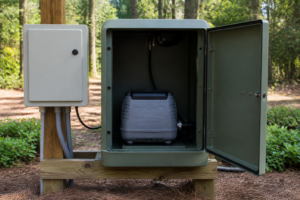
An ATU without electricity ceases functioning as a treatment apparatus—it devolves into a reservoir. Circulation becomes impossible. Oxygen concentrations (DO) nosedive to negligible values within mere hours. Once concentrations dip beneath 0.5 mg/L, nitrifying organisms commence mortality. I’ve documented this transformation occurring within 12–18 hours of uninterrupted power loss.
The most severe scenario I ever encountered involved a homeowner near Athens whose electrical service was severed for 36 consecutive hours during a winter storm. Upon my inspection, the aeration chamber displayed a black coloration, emitted hydrogen sulfide odors characteristic of anaerobic decomposition, and was discharging effluent approaching raw sewage characteristics. Bacterial recovery required commercial microbial amendments. Associated expenses: approximately $180 for the additive product plus $350 for my service intervention. Had a modest 5kW backup generator been in place, this entire incident would have been prevented.
My rule of thumb: whenever electrical service exceeds 12–18 consecutive hours, consider nitrifiers significantly compromised. Once 24 hours elapse, expect mandatory microbial reinoculation. Heterotrophs may self-restore, however nitrifiers require deliberate corrective treatment to fully reestablish their colonies.
3. Chlorine Concentration Exceeding Safe Parameters
Here lies the contradiction: the disinfection process that safeguards your leach bed and soil chemistry simultaneously endangers the bacterial workforce driving your treatment. An appropriately calibrated ATU chlorinator maintains a concentration window of 0.5–2.0 mg/L residual chlorine throughout the final treated stream. This concentration threshold successfully eliminates disease vectors without harming the bacterial populations residing in the aeration compartment itself.
I’ve encountered instances where homeowners inserted chlorine tablets into a dispenser designed for graduated release, or accidentally discharged a full bleach container through an observation port. Concentration subsequently escalates above 10 mg/L. This excessive dose permeates backward into the aeration zone, extinguishing both bacterial guilds, and suspending nitrification activity abruptly.
Mitigation remains straightforward: deploy exclusively NSF-accredited chlorine tablets formulated for your equipment model, adhere strictly to the manufacturer-specified dosing protocol, and abstain from introducing household bleach or pool chemicals into system openings. Throughout my quarterly preventive maintenance visits, I assess chlorinator construction and loading. Upon identifying overloaded configurations, I eliminate surplus tablets and record the adjustment in service records.
4. Surge Demand Exceeding Design Capacity
Aerobic bacterial colonies function optimally within moderate, consistent flow regimes. The standard 3-bedroom residential ATU accommodates approximately 450–500 gallons throughout each 24-hour period. Bacteria occupying the aeration cavity possess a theoretical processing interval—termed detention time—ranging between 8–12 hours for completing their enzymatic work.
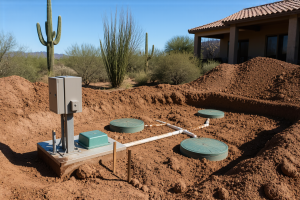
Consider a common scenario: a residential gathering accommodates eight occupants, multiple simultaneous showers transpire, washing machine cycles operate back-to-back, visitors utilize bathroom facilities continuously. A thousand-gallon influx transpires within 6 hours. The aeration compartment empties completely within 4 hours rather than the engineered 10-hour window. Partially processed material—with undegraded particles still suspended—overflows toward the spray apparatus, clogs emitter ports, and precipitates equipment failure within days.
The bacterial consortium doesn’t literally perish, yet they encounter temporal starvation. Heterotrophic conversion of organic carbon remains incomplete. Nitrification of ammonia cannot proceed adequately. Your treatment apparatus transforms into a pass-through conveyance, abandoning actual remediation. I’ve observed this singular condition destroy drain field infrastructure across a single growing season. Strategy: establish precise awareness of your installation’s engineered capacity and respect those volumetric constraints during elevated-usage periods.
5. Sustained Low-Temperature Conditions in Inadequately Insulated Vessels
Bacterial enzymatic efficiency correlates directly with ambient temperature. Once temperatures descend to 55°F, nitrification productivity diminishes substantially. At 45°F or lower, nitrogen-conversion processes virtually cease. Heterotrophic functioning similarly declines, though nitrifying organisms experience disproportionately severe suppression.
Throughout the rural Southeast, deeply interred ATU installations rarely cool below 50°F during winter months owing to protective soil coverage. However, northern Georgia installations—particularly those exhibiting minimal subterranean depth or above-grade positioning—encounter meaningful difficulty. One property owner near Blue Ridge operated an older composite fiberglass ATU buried at only 18 inches. Winter conditions reduced chamber water temperatures to 48°F. Nitrifying metabolism ceased completely throughout the three-month winter period. Upon spring warming in March, the bacterial community spontaneously recovered its function without external intervention.
Should your installation occupy a chilly latitude or suffer from inadequate thermal insulation, consider implementing tank insulation materials, increasing burial profundity where feasible, or anticipating bacterial reactivation protocols each springtime. This concern remains uncommon in my regional service territory, although awareness proves valuable.
Recognizing Early Warning Indicators of Microbial Compromise Before Damage Accelerates
Observable and olfactory symptoms communicate plainly when bacterial populations face difficulties. During my service appointments at compromised systems, particular warning signs become instantly apparent.
Translucency or haziness appearing in aeration chamber discharge constitutes the earliest indicator. Correctly functioning treatment tanks produce effluent ranging from transparent to pale amber hue. Haziness signifies either incomplete particulate settling or insufficient heterotrophic decomposition of waste constituents. Typically accompanied by particulate material identifiable with visual inspection alone.
Foam formation accumulating across the aeration compartment surface represents an additional diagnostic red flag. Surfactant-containing compounds (soaps, detergents) that heterotrophs cannot fully process frequently generate foam. More reliably, foam presence indicates bacterial imbalance—heterotrophic populations continue functioning while nitrifying organisms remain suppressed, creating metabolic byproduct buildup and disrupted biochemical equilibrium.
Olfactory transition from mild earthy fragrance to acrid sulfurous or putrefied-egg aroma signals the return of oxygen-depleted metabolic conditions. This phenomenon indicates either depressed dissolved oxygen concentration or complete bacterial population failure. When nitrification ceases and heterotrophs operate unopposed, hydrogen sulfide and related sulfur volatiles accumulate. The odor signature proves unmistakable and impossible to mistake.
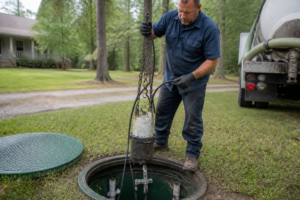
Any manifestation of these indicators warrants immediate DO measurement. I check this every quarter, which means dissolved oxygen testing inside the aeration chamber. The reference standard for healthy function: 1.5–3.0 mg/L. Readings below 1.0 mg/L suggest either air delivery system malfunction or microbial die-off. Below 0.5 mg/L? The apparatus has essentially ceased operation and demands urgent corrective action.
Restoring Aerobic Septic Bacteria to Full Function: The Field-Tested Rehabilitation Protocol
Should your installation display indicators of microbial collapse, I employ this precise methodology during emergency service visits. Success demands strict adherence, although results consistently reward the effort.
Action Item 1: Suspend disinfection protocols for a 3–5 day window. Chlorine residue will eliminate fresh microbial additions. Deactivate the chlorinator apparatus or extract tablets. Allow chlorine concentration to diminish naturally across days.
Action Item 2: Introduce a commercial bacterial consortium product. Product selection carries real significance. Consistently dependable performers include Septic Drainer, Rid-X Septic Tank Treatment, and commercial-grade Bio-Active formulations. These materials contain multiple viable bacterial species engineered to expedite reestablishment of heterotrophic and nitrifying guilds. An annual subscription package (single monthly packet supplied) ranges approximately $30–50 and furnishes year-round preventive dosing.
For urgent crash-recovery situations, I introduce twin packets immediately, then resume standard monthly scheduling. Direct the bacterial consortium down residential drains—bypass the ATU tank itself—permitting natural colonization progression via normal sewage pathways.
Action Item 3: Operate the aeration blower continuously throughout 7–10 recovery days. Sustain uninterrupted air circulation without pausing. Perpetual oxygenation actively promotes nitrifier recovery rate. Verify air pump operational status—deficient oxygen delivery or mechanical restriction will perpetuate depressed DO and obstruct bacterial restoration.
Action Item 4: Eliminate household chemical inputs throughout the restoration interval. Disallow antimicrobial soap products, chlorine-based cleaners, mechanical drain cleaners, industrial laundry aids beyond standard biodegradable detergent. Microbial populations require a biochemically neutral recovery environment. This requirement consistently proves most demanding for residents, but remains absolutely non-negotiable.
Action Item 5: Reinitiate standard disinfection protocols following the 7–10 day recovery threshold. By this juncture, heterotrophic function should be reestablishing and nitrifying initiation should commence. Cautious chlorine introduction (maintaining 0.5–2.0 mg/L dosing) won’t trigger secondary microbial collapse.
Thorough nitrifier reestablishment spans 3–4 weeks minimum. I consistently advise homeowners: anticipate something less than ideal effluent throughout this recovery window. Slight turbidity or temporarily elevated ammonia readings surface throughout days 10–14. This reflects typical restoration progression. Upon reaching day 30, presuming environmental variables (thermal regime, hydraulic volume, chemical exposure) stay stable, you should observe comprehensive functional restoration.
How Aerobic Bacterial Reestablishment Rescued My System After Medications Shut Down Treatment
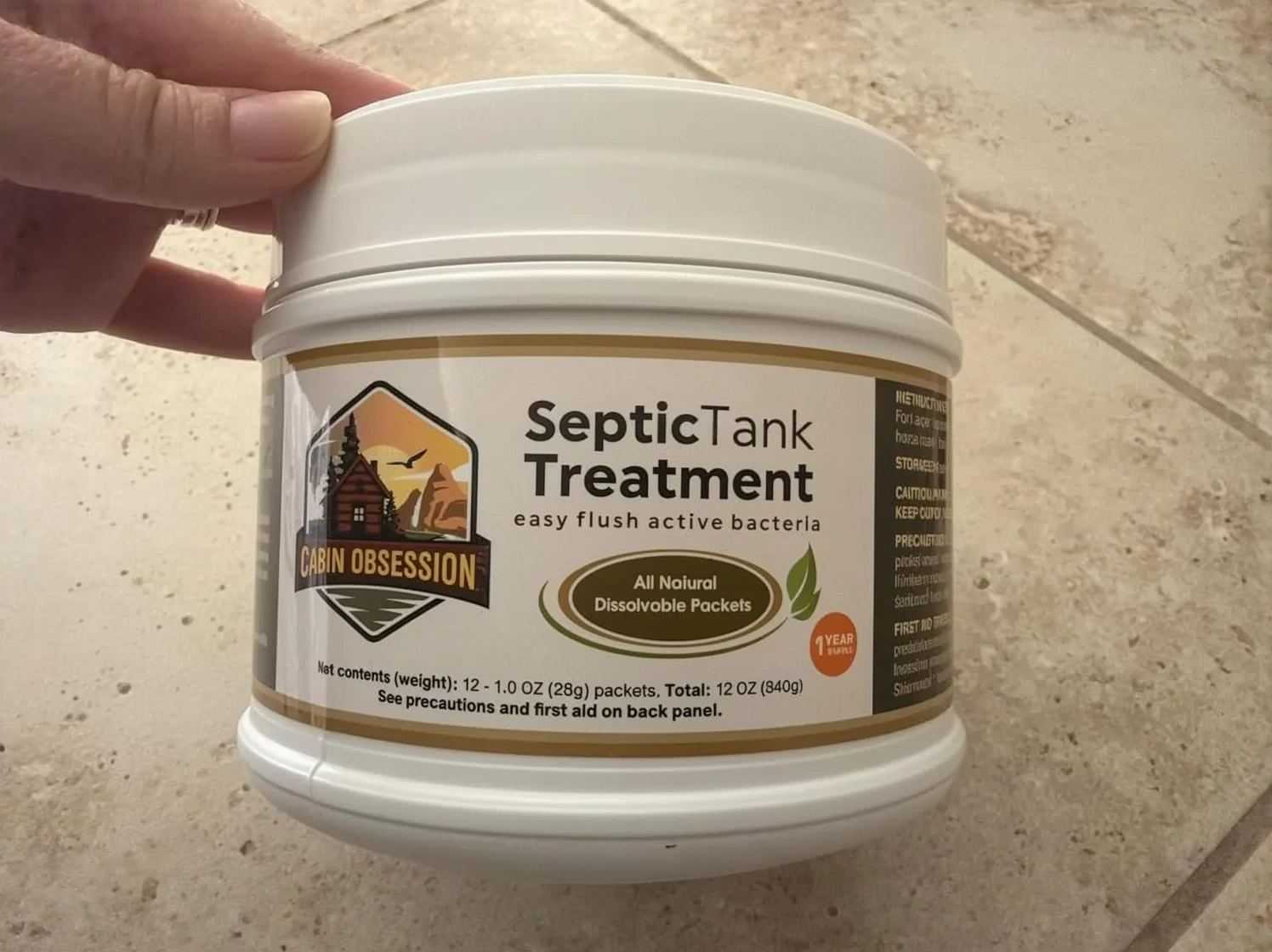
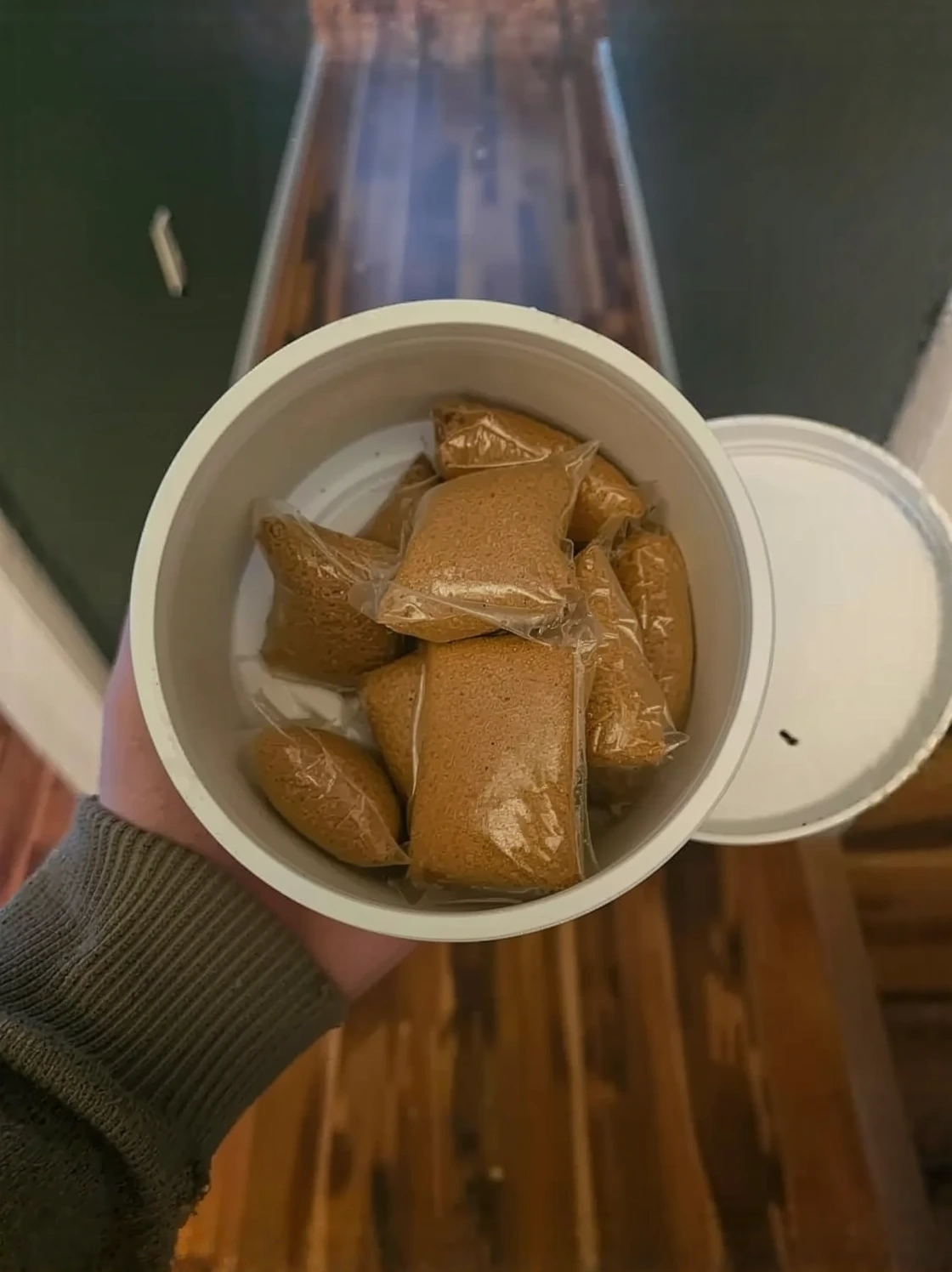
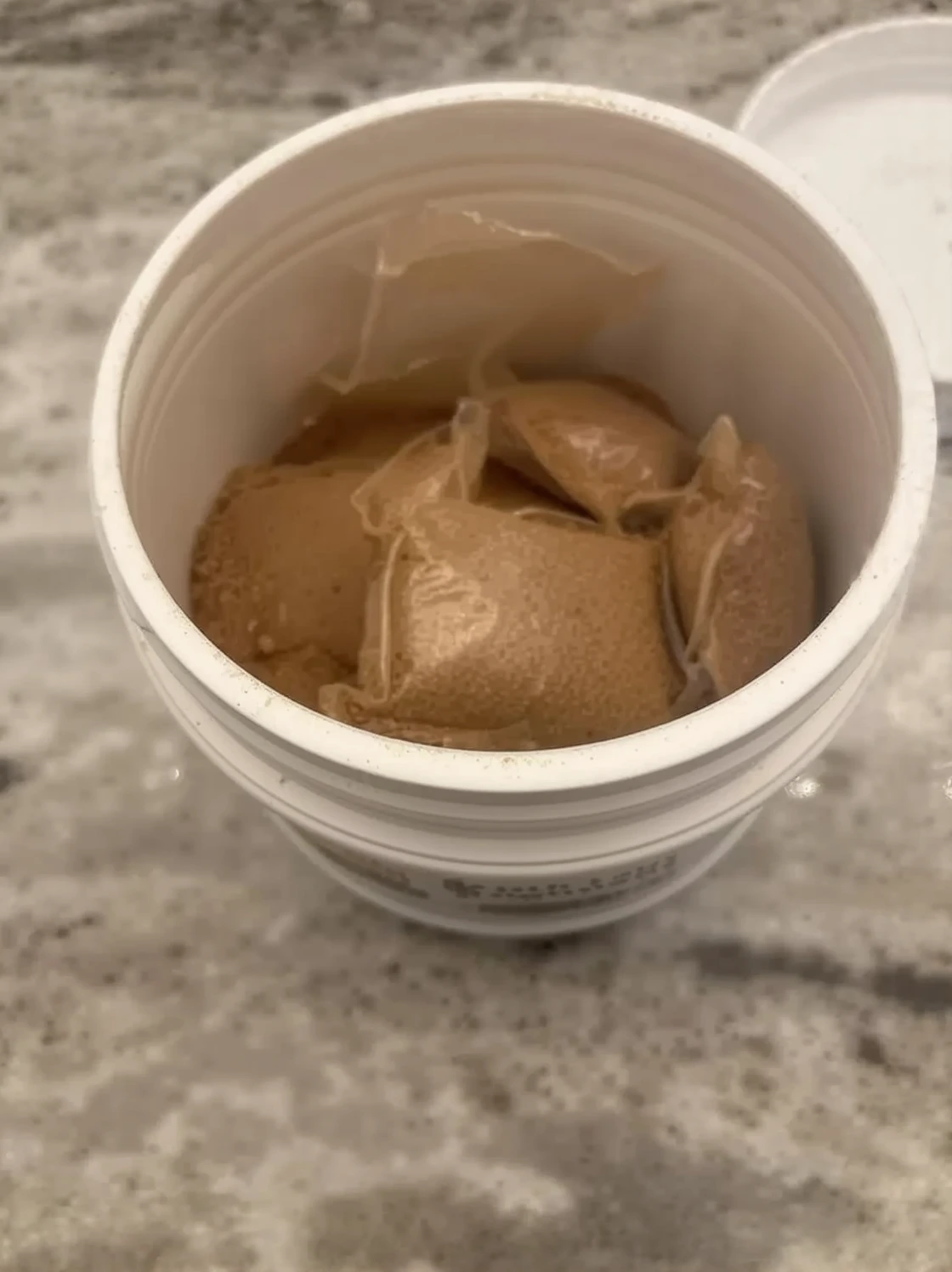
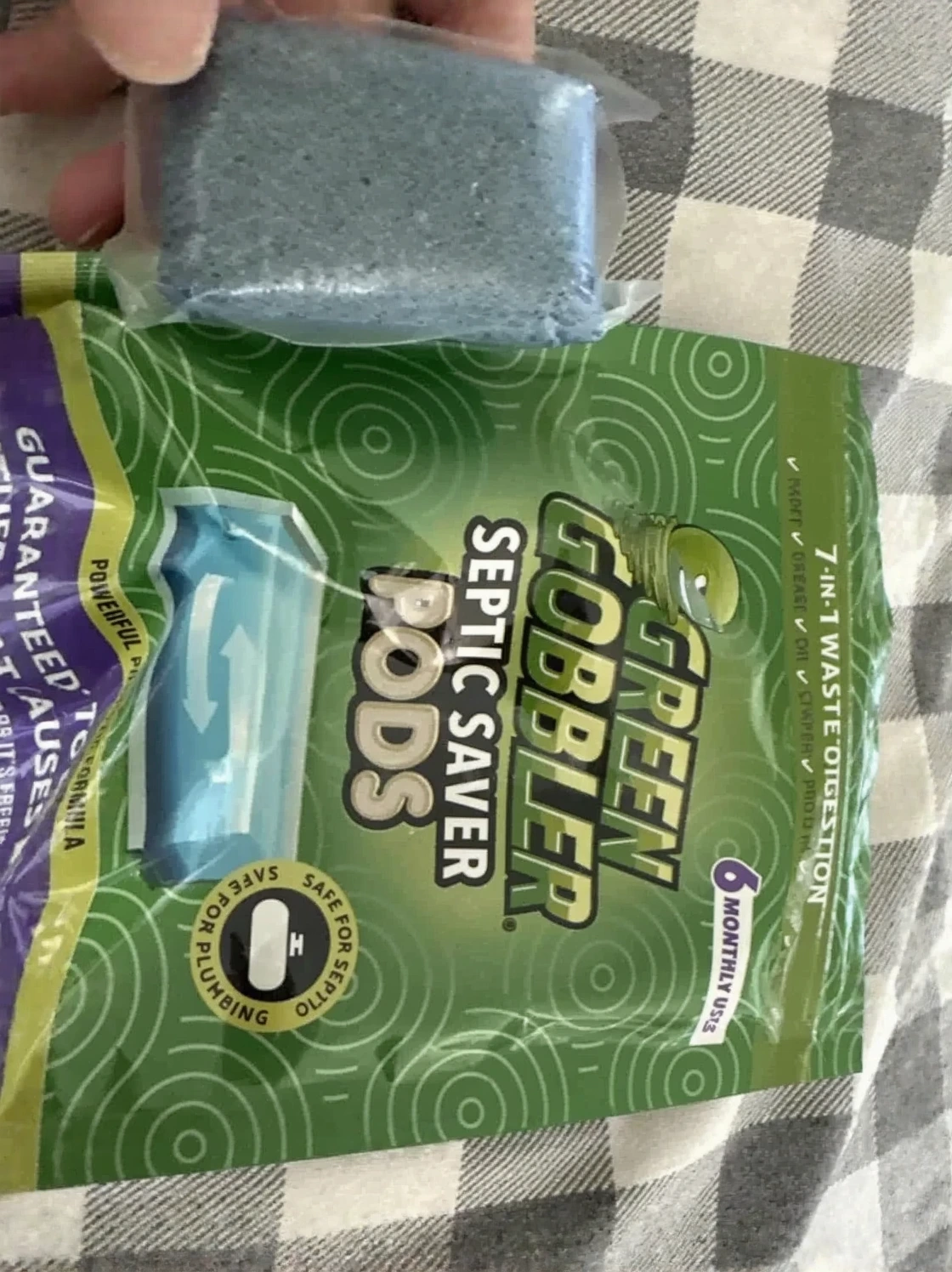
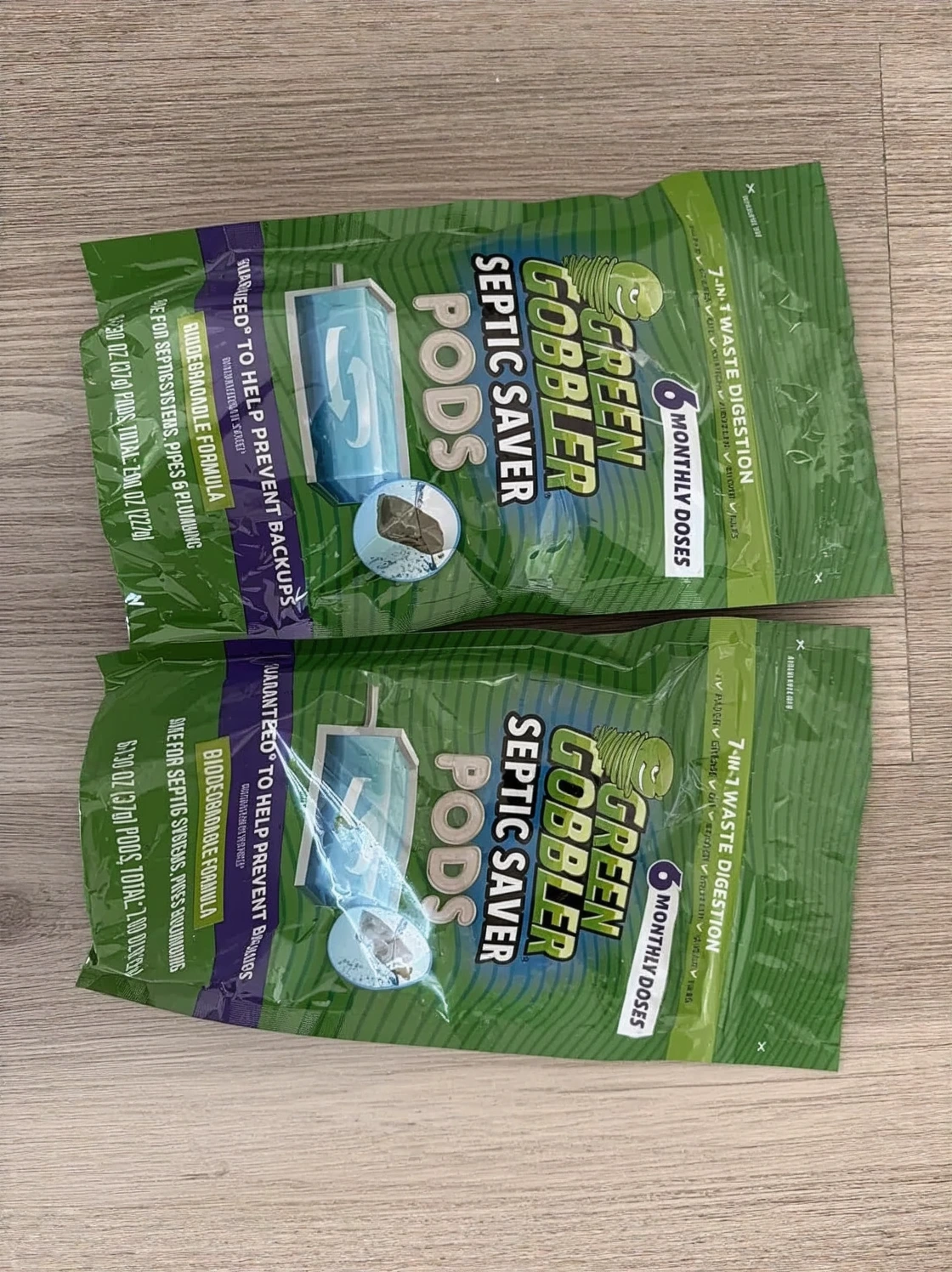
When aerobic bacteria perish—whether triggered by medications, corrosive substances, or equipment deterioration—your treatment apparatus regresses into a stagnant holding vessel. These water-soluble capsule packets arrive engineered specifically to accelerate aerobic population restoration rapidly, circumventing confusion surrounding liquid suspensions or the inconvenience of powdered additives.
Advantages that perform
- Capsule-based delivery eliminates mixing procedures, measurement accuracy requirements, and spillage hazards—simply deposit the packet into the toilet and the formulation executes independently.
- Monthly-packet arrangement across twelve months addresses both routine management and crisis intervention, eliminating emergency reordering urgency when your installation experiences medication-related bacterial loss or surge precipitation.
- Haziness and unpleasant aromas diminished within 3–5 calendar days after first-dose introduction, generating reassurance that bacterial restoration was progressing successfully.
Limitations to expect
- Outcomes require patience—several days of standard sewage throughput must elapse prior to introduced bacteria achieving settlement and reaching mature metabolic capacity.
- Should your aerobic apparatus’s mechanical air-supply mechanism be malfunctioning or circulation fan inoperative, biological product introduction will not compensate for the underlying equipment malfunction.
I’ll admit, I was skeptical the first time I used these after that Macon homeowner’s antibiotic disaster—I thought we might need to pump and inoculate manually. But three packets over two weeks turned that cloudy, foul mess into clear, odorless discharge again. If your aerobic bacteria have taken a hit, grab a year’s supply of Septic Tank Treatment – 1 Year Supply of Septic Safe Dissolvable Easy Flush Live Bacteria Packets (12 Count) and start dosing right away.
Sources and further reading
About This Article

Written by Joel Grayson. Rural property owner who learned septic systems the hard way after my own failed 15 years ago. I created Backyard Septic to give homeowners honest, practical guidance on septic installation, maintenance, and troubleshooting. More about this site.
Scope and limits. Joel is an experienced rural property owner, not a licensed septic inspector. Have a licensed septic professional handle pumping, permits, and any diagnosis you plan to act on — and never enter a tank.
Verify this against a primary source
Specifics change, and your situation may differ from the one described here. These are the authorities worth checking directly:
- EPA SepticSmart — septic system care, inspection intervals and failure signs
- NSF International — treatment unit and tank certification standards