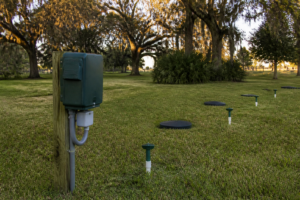
The first time a homeowner called me in a panic about their aerobic septic system, I drove out expecting a simple fix. What I found was a system that had been running without a working air pump for over three months. The yard smelled terrible, the chlorine tablets hadn’t dissolved properly, and the homeowner had no idea anything was wrong. That call changed how I explain aerobic systems to every client I work with. If you want an aerobic septic system explained in terms a homeowner can actually use, this post is for you.
Most people buy rural property with an aerobic treatment unit already installed. Nobody walks them through how it works. The previous owner might hand over a manual, or they might hand over nothing at all. Either way, you’re left guessing. In my 15 years inspecting septic systems across the rural South and Midwest, I’ve seen that knowledge gap cause thousands of dollars in preventable repairs.
This post covers exactly what an aerobic system does, how its components work together, what maintenance you’re actually responsible for, and when something is genuinely going wrong. I’ll also tell you the one component I’ve seen fail more than any other — and what I personally recommend to fix it fast.
Aerobic Septic System Explained for Homeowners: The Basics
A conventional septic system is anaerobic — it treats wastewater in the absence of oxygen. An aerobic treatment unit (ATU) does the opposite. It pumps air continuously into the treatment chamber, feeding oxygen-hungry bacteria that break down waste much more aggressively. The result is a significantly higher quality effluent before it ever reaches your drain field or spray heads.
That higher treatment level is exactly why ATUs are required in many states for lots with limited soil absorption capacity, high water tables, or proximity to water bodies. The EPA’s Onsite Wastewater Treatment Systems Manual (EPA/625/R-00/008) references ATUs as an advanced secondary treatment method. In Texas, for example, the TCEQ mandates aerobic systems on properties under two acres where conventional systems can’t meet setback requirements.
In practical terms, think of your ATU as a small wastewater treatment plant on your property. It’s more effective than a conventional system — but it’s also more complex. More components mean more potential failure points. That’s not a reason to fear the system. It’s a reason to understand it.
The Four Main Components of an ATU
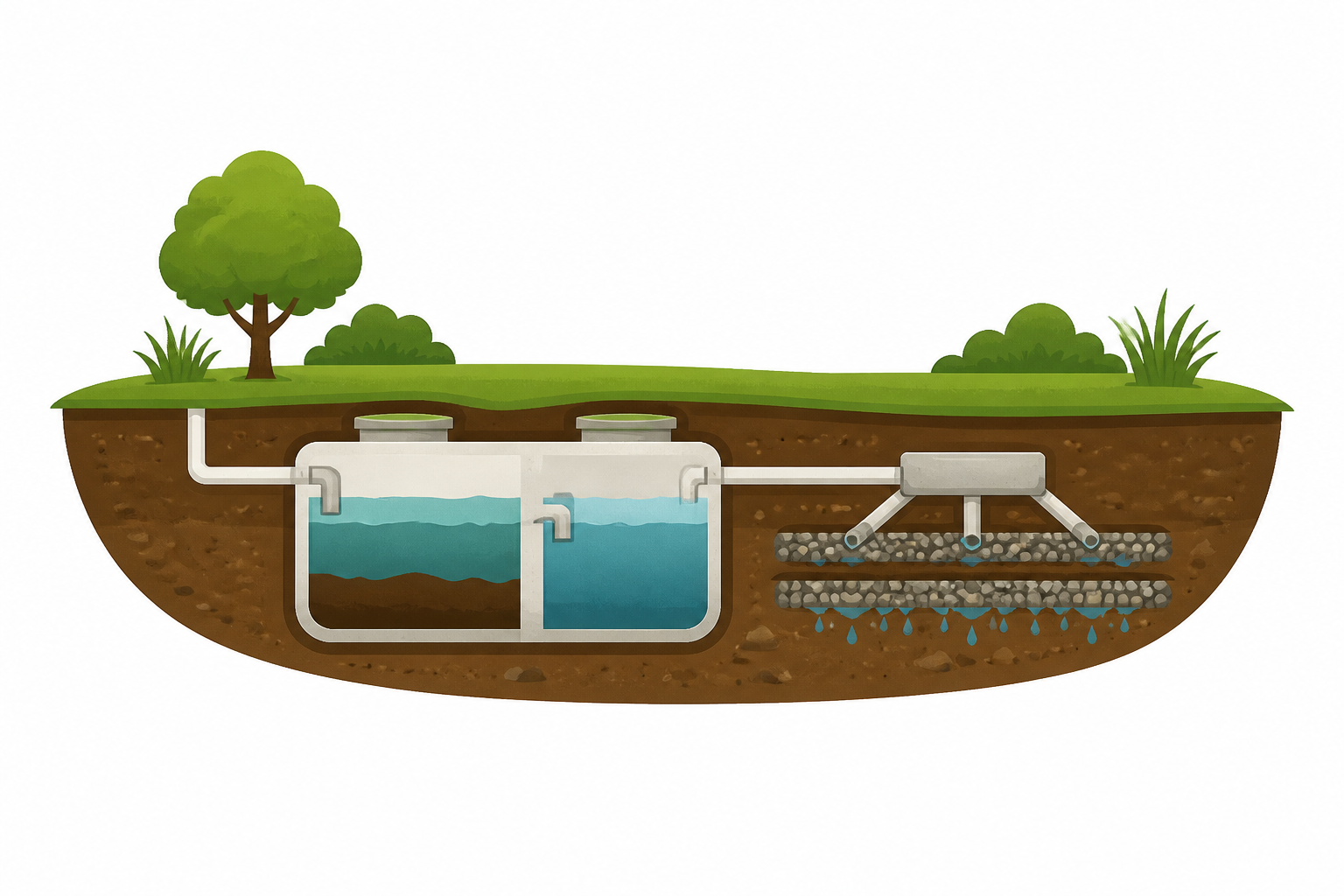
Every aerobic treatment unit has four functional zones, regardless of brand. Understanding these zones makes every maintenance visit and troubleshooting call easier.
1. The Trash Tank (Pre-Treatment)
Raw sewage enters a pre-treatment chamber first. This tank settles out solids and separates grease — just like the first compartment of a conventional septic tank. It needs to be pumped every 3 to 5 years, depending on household size. Skipping this step is the number one way homeowners damage the aeration chamber downstream.
2. The Aeration Chamber
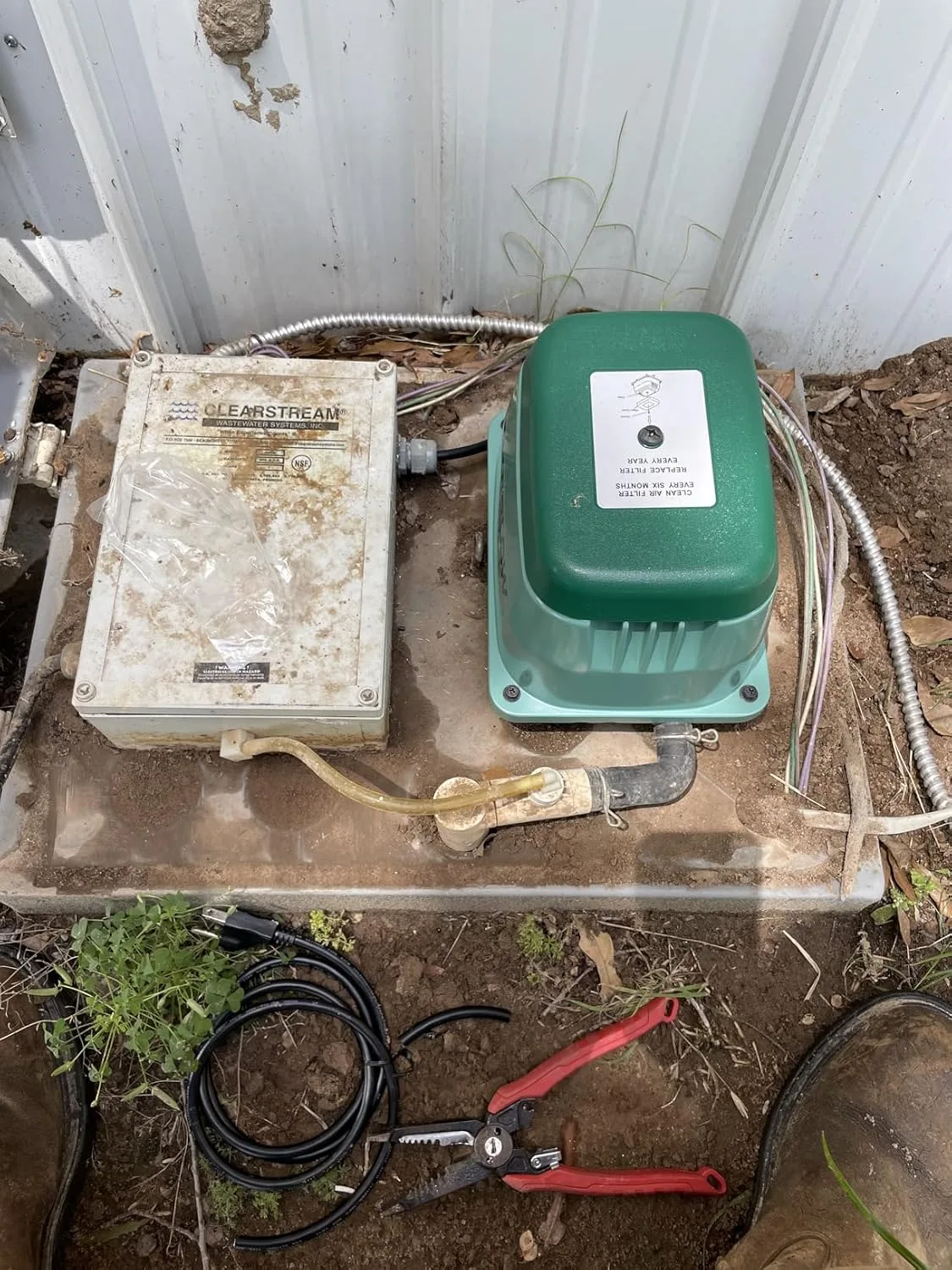
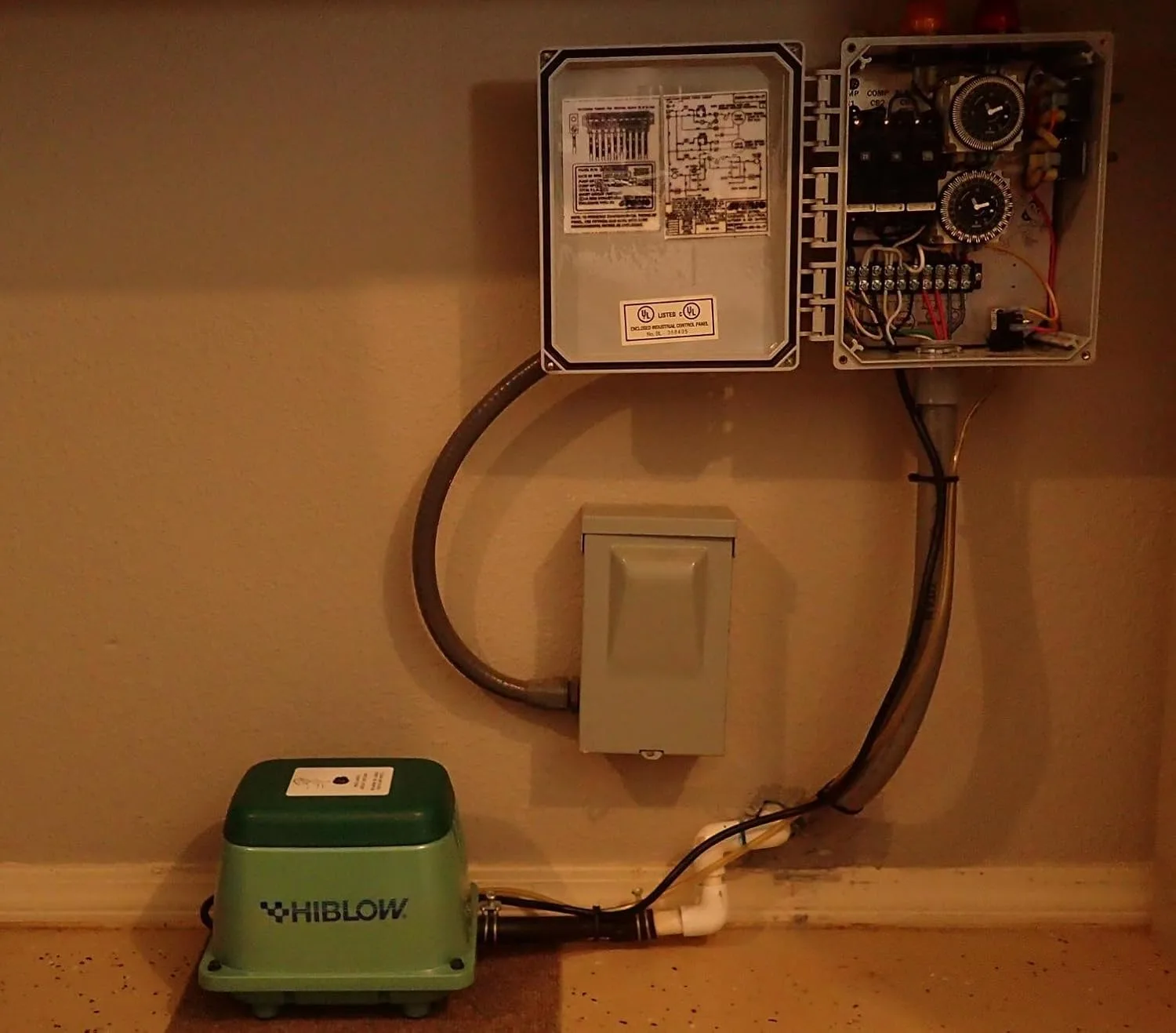
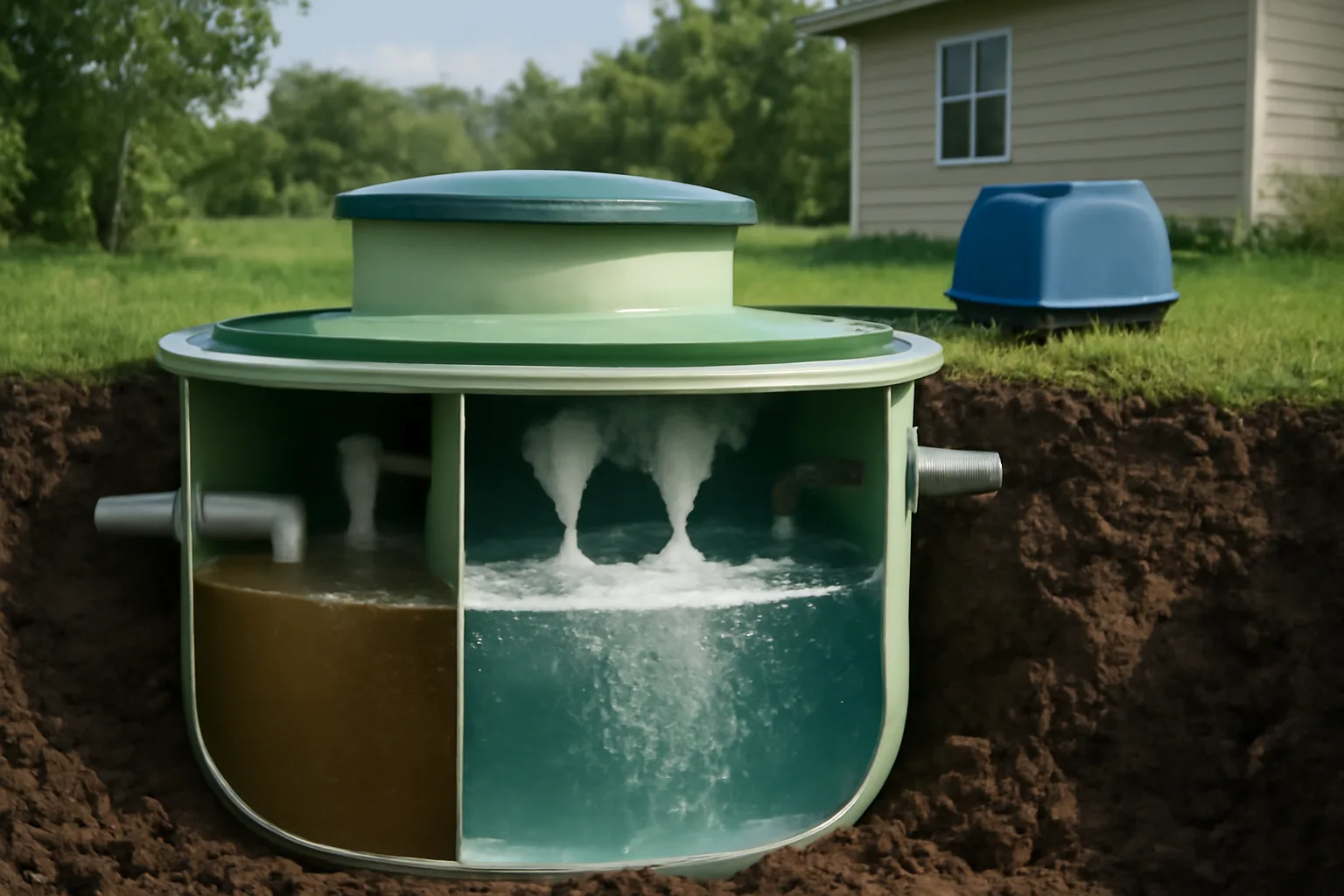
This is the heart of the system. A linear air pump pushes continuous air through a diffuser at the bottom of the chamber. Aerobic bacteria colonize the wastewater and consume organic matter at a rate far exceeding anaerobic digestion. The air pump runs 24 hours a day, 7 days a week. It never gets a day off — which is why pump reliability matters so much.
3. The Clarifier (Settling Chamber)
Treated water moves into a settling chamber where suspended solids drop out before disinfection. Some designs recirculate this settled sludge back to the aeration chamber. Others pump it to a separate sludge holding zone. Either way, the clarifier ensures you’re disinfecting clean water, not murky effluent.
4. The Disinfection and Pump Chamber
Clarified effluent passes through a disinfection zone — typically a chlorine tablet feeder, though UV disinfection is becoming more common in newer installs. From here, a separate effluent pump doses the treated water to your spray heads or subsurface drip field. This final stage is what allows ATU effluent to be surface-applied in many states, something a conventional system cannot legally do.
The Air Pump: Why It’s the Component That Matters Most
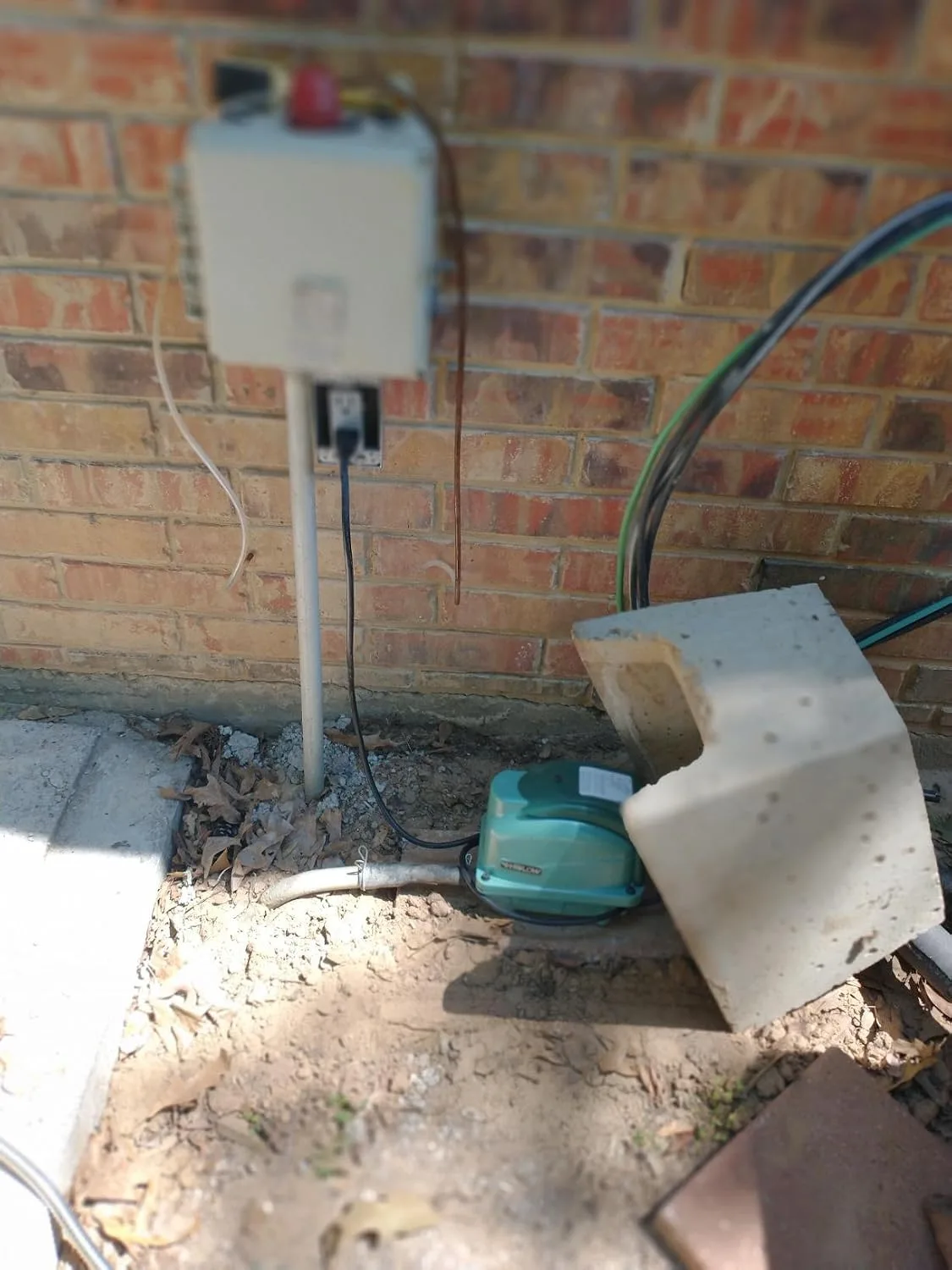
I’ve pulled apart hundreds of failing ATUs over the years. The single most common culprit isn’t the effluent pump, the float switches, or the control panel. It’s the linear air pump. When the air pump dies, the aerobic bacteria in your treatment chamber die with it — usually within 24 to 48 hours. After that, you’re running an anaerobic system that isn’t designed to be one. Odors start. Effluent quality drops. Your spray heads distribute undertreated water across your yard.
Here’s what I learned the hard way: air pumps don’t always fail dramatically. Sometimes they just weaken. The diaphragms inside a linear pump wear out slowly, reducing airflow over months. You don’t notice the smell right away. By the time something seems off, your bacterial colony is already compromised. I now recommend every homeowner check their air pump’s output pressure annually using a simple air pressure gauge. Most ATU manufacturers specify a minimum outlet pressure — typically between 1.0 and 2.5 PSI depending on tank depth and diffuser resistance.
What to Look for in a Replacement Air Pump
When I’m recommending a replacement pump to a client, I look at three things: airflow rating in liters per minute (LPM), pressure capability, and duty cycle. An air pump on an ATU must be rated for continuous operation — not intermittent. Many cheap aquarium-style pumps aren’t built for that load. After recommending and installing several brands over the years, I keep coming back to one.
The Air Pump That Keeps Your Aerobic System From Going Silent
Most homeowners don’t realize their aerobic system’s air pump has failed until the smell hits them. The HIBLOW HP-80 is the workhorse replacement that stops that panic call before it happens—because a dead pump is the fastest way to turn an aerobic system into a fancy septic disaster.
What works
- Runs quietly enough that you won’t hear it constantly, but loud enough that silence becomes obvious—you’ll notice right away if it stops.
- Linear diaphragm design holds up through power surges and temperature swings better than rotary pumps, which matters in basements and outdoor installations.
- Drops into most aerobic systems without modifications—I’ve swapped these out in under 20 minutes on three different system brands.
What doesn’t
- Check your existing tubing connection size before ordering—the HP-80 uses a different fitting than some older pumps, and a wrong size means an extra trip.
- It’s not the cheapest option upfront, but I’d rather spend more on reliability than explain to a homeowner why their yard smells like a sewage plant.
I almost ignored a faint rattling sound in one installation—thought it was nothing—until that pump seized a week later and left the system running anoxic for two days. Don’t wait on pump failure signs. Grab a HIBLOW HP-80 Linear Air Pump as a replacement before you need it, or check your current pump’s condition quarterly.
This post contains affiliate links. As an Amazon Associate, I earn from qualifying purchases at no extra cost to you.