
A saturated drainfield won’t announce itself until it’s too late to fix cheaply — and by then, you’re looking at the better part of $20,000 to replace it. The machinery that prevents this catastrophe is simpler than most homeowners realize: a pump truck arriving on schedule, before your tank reaches critical capacity.
My career in septic system diagnosis and installation spans fifteen years across the rural Southeast. I’ve examined more than two thousand tanks, distribution boxes, and drainfield configurations. I’ve pulled lids off systems that looked fine from above but were disasters beneath the surface. The most frequent question homeowners ask me boils down to: “When should I actually have my tank pumped?” The answer contains a lot more nuance than the generic recommendations you’ll hear.
Why the “Every 3 to 5 Years” Standard Misses the Mark
You’ve almost certainly heard someone mention pumping every three to five years. That interval comes directly from EPA guidance, and it’s not technically incorrect — it’s simply too broad to be useful. A person living alone in a house with a 1,500-gallon tank doesn’t face the same pressure as a household of six sharing a 1,000-gallon tank. Lumping these situations together is exactly how preventable failures happen.
The actual problem comes down to two measurable inputs: how much wastewater your household generates and what volume your tank can store before those solids threaten the system downstream. The EPA’s standard estimate puts per-person daily generation at seventy gallons. Calculate that across your entire household, then compare it against your tank’s capacity, and suddenly you’re not guessing anymore — you’re doing math. A 1,000-gallon tank handling four people’s waste accumulates sludge on an entirely different timeline than a 1,500-gallon tank serving just two occupants.
I should also mention that the generic “every 3 to 5 years” framework assumes normal consumption patterns. Add complications like water softeners, frequent visitors, garbage disposal usage, or new parents going through diapers by the crate, and your actual interval shrinks. The three-to-five-year advice gives you a workable starting place, provided you’re willing to refine it based on your specific situation.
How Often to Pump Your Septic Tank by Household Size
I use these guidelines when consulting with property owners about their maintenance needs. The figures draw from EPA data and align with patterns I’ve observed across hundreds of tanks I’ve evaluated. Your ideal pumping schedule hinges on a straightforward pair of variables: occupancy and tank volume.
1,000-Gallon Tank
- 1–2 people: Schedule pumping every 5–7 years
- 3–4 people: Schedule pumping every 2–3 years
- 5–6 people: Schedule pumping every 1–2 years
1,250-Gallon Tank
- 1–2 people: Schedule pumping every 7–10 years
- 3–4 people: Schedule pumping every 3–4 years
- 5–6 people: Schedule pumping every 2–3 years
1,500-Gallon Tank
- 1–2 people: Schedule pumping every 9–12 years
- 3–4 people: Schedule pumping every 4–5 years
- 5–6 people: Schedule pumping every 2–4 years
Think of these as directional targets rather than immutable rules. Should you remain uncertain about your tank’s actual volume, your septic permit — issued during system installation and held by your county health department — contains the answer. Documentation of this sort is legally required in most states at the time a system goes in the ground.
Factors That Can Shorten Your Pumping Interval
The intervals above reflect standard household operations. Certain behaviors and circumstances push solids accumulation into overdrive. I’ve examined side-by-side tanks installed in the same year on adjacent properties — one pristine after four years, the other choking full after eighteen months. Lifestyle differences explain nearly every gap of that magnitude.
Things That Fill Your Tank Faster
- Garbage disposals: Food particles enter the tank as excess solids. Daily disposal use demands pumping thirty to fifty percent more frequently than baseline guidelines suggest.
- Frequent visitors or seasonal rental activity: Three permanent residents who host visitors every weekend effectively operate like a five-person household or larger.
- Disposal of non-decomposable items: “Flushable” wipes, feminine sanitary products, and paper towels never truly disintegrate. These substances layer up as scum and particulates.
- Water softener discharge into the tank: Salt-based softener backwash damages the bacterial population your tank requires and compresses settled sludge.
- Intensive laundry routines: Several daily wash cycles, particularly those using bleach-heavy detergents, disrupt the microbial balance essential to tank function.
I discovered the water softener problem the hard way during my early years. A customer’s relatively new installation started failing within three years. The tank had filled with solids, the drainfield biomat was thickening dangerously, and everything appeared to belong to a much older property. Investigation pointed to a whole-house water softener emptying directly into the septic system. That single issue ended up costing the owner close to eight thousand dollars in remediation work.
Warning Signs Your Tank Needs Pumping Now
Waiting for an actual overflow is foolish. Your system will communicate distress well ahead of catastrophic failure, as long as you know what to look for. I remind clients repeatedly: early warning signs exist and are visible. Most people simply haven’t learned to recognize them.
Signs You Need to Call a Pumper Immediately
- Sluggish drainage affecting multiple plumbing fixtures simultaneously
- Bubbling or gurgles emanating from toilets or sink drains when fixtures are in use
- Foul odors detectable near the tank location or over the drainfield zone
- Unusually saturated soil or exceptionally vibrant vegetation directly above your drainfield
- Sewage rising up through the lowest plumbing points in your residence
Any single indicator on this list justifies an immediate call to a qualified septic technician. Multiple indicators simultaneously suggest you may already face an emergency. Never attempt tank access on your own when these conditions are present. Septic tanks release hazardous gases — hydrogen sulfide and methane top the list — that can cause instant death in enclosed spaces. OSHA categorizes septic tank entry as a confined space requiring specific permits precisely because the danger is genuine.
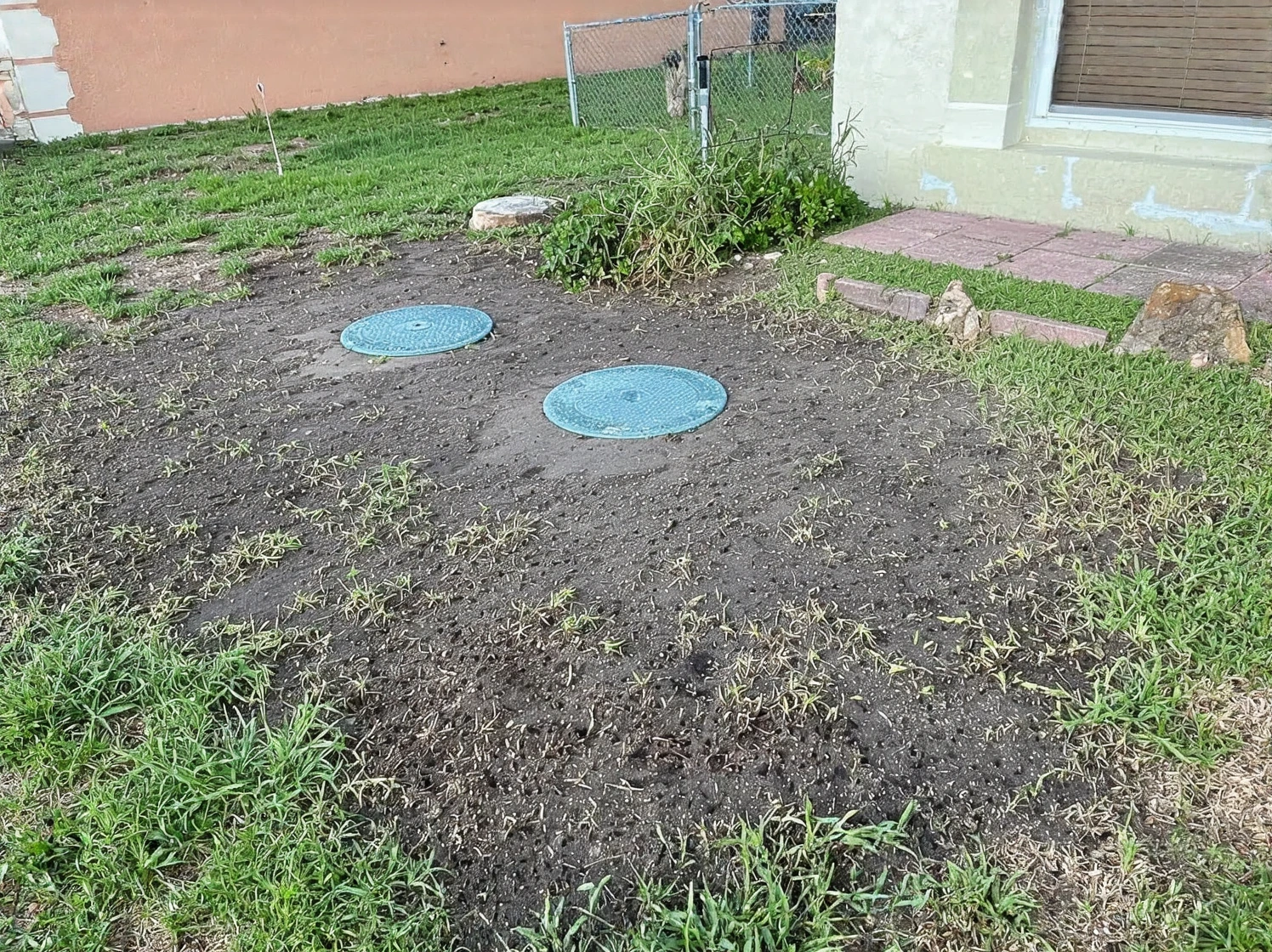
Early intervention only works if you understand where your tank sits. Surprisingly, countless owners lack this elementary knowledge. Hiring equipment to excavate a concrete lid on top of an underground tank becomes expensive and time-consuming — which brings me to one piece of equipment I’ve started recommending universally.
The Riser Kit That Finally Let Me Stop Digging to Check My Tank Level
Staying proactive about maintenance requires the ability to see what’s happening inside your tank — which creates a logistical problem. Without ground-level access to your tank’s entry point, you either rely on guesswork or hire professionals repeatedly just to measure sludge depth.
What works
- Raises your tank’s access opening to ground surface, permitting you to assess interior solids levels yourself without excavation or truck visits purely for measurement purposes
- Prevents unnecessary pump appointments — I’ve observed tanks at seventy percent capacity where delaying another year was defensible, contrasting sharply with that Tennessee situation where zero visibility meant zero control
- Demonstrates to future buyers and professional inspectors that you’ve maintained this infrastructure responsibly, protecting your home’s marketability
What doesn’t
- Fitting one requires excavating down to your current access point and some modest plumbing work — not a quick afternoon project if starting from zero
- If your tank sits deep or you’ve landscaped heavily overhead, the new surface access becomes another feature requiring regular clearing and mowing attention
I almost talked myself out of installing one on my own system because it felt like extra work, but the first time I checked my tank level in under five minutes instead of hiring a service call, I knew it was worth every shovel of dirt. Get the Aero-Stream AS-R13 Septic Tank Riser Kit — 23.5″ Diameter x 13″ Tall if you want to stop being surprised by your septic system.
This post contains affiliate links. As an Amazon Associate, I earn from qualifying purchases at no extra cost to you.
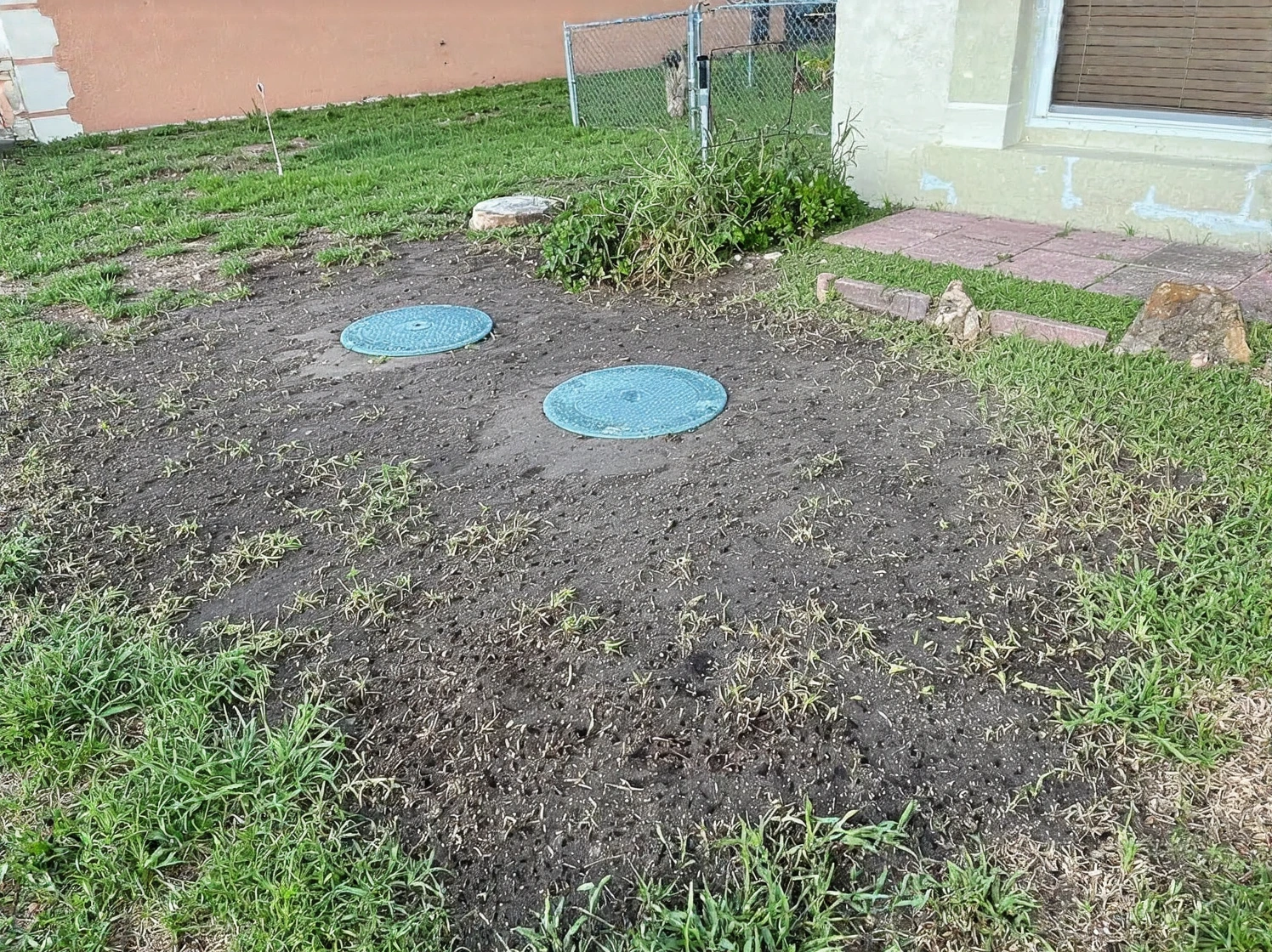
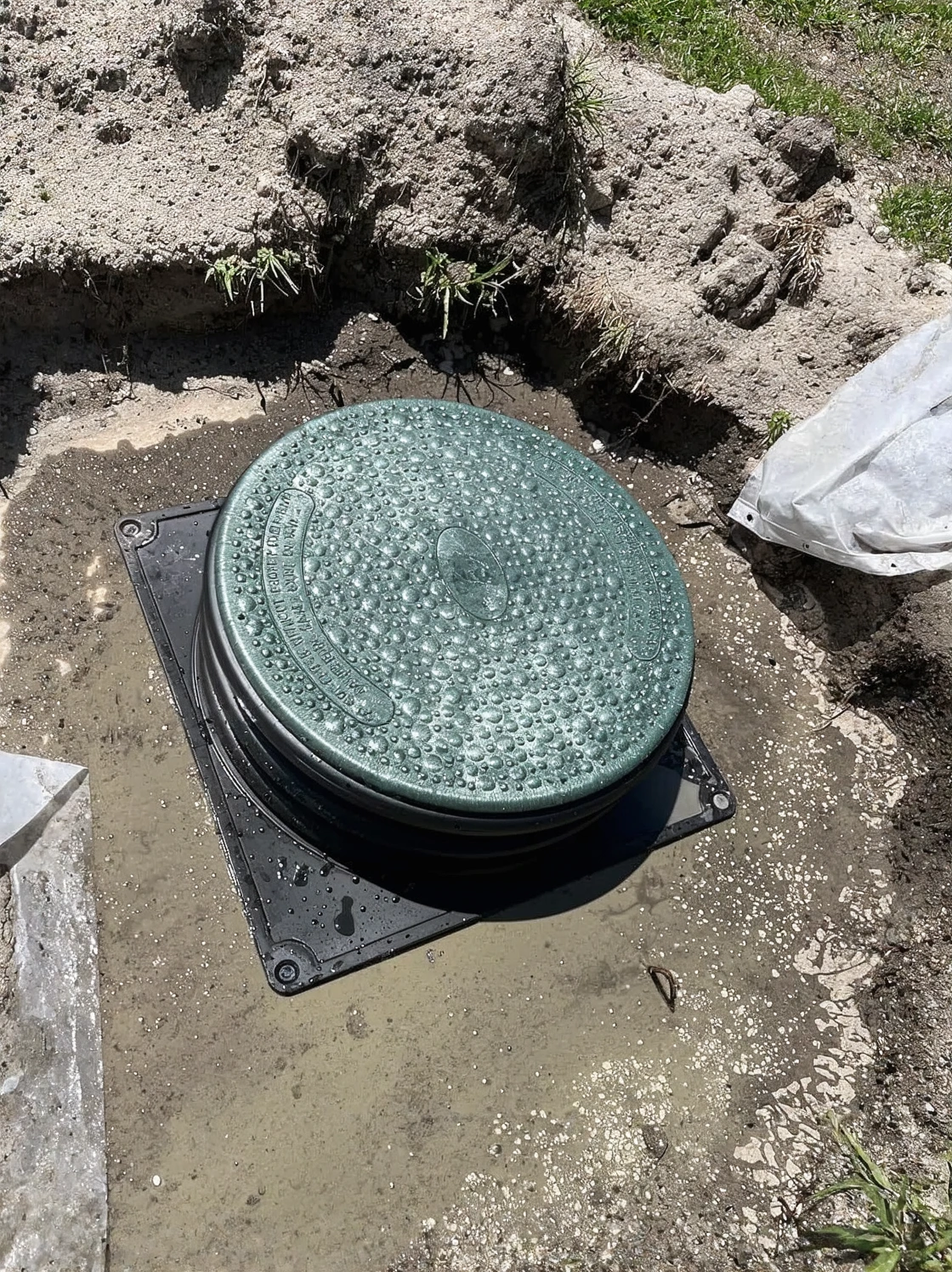
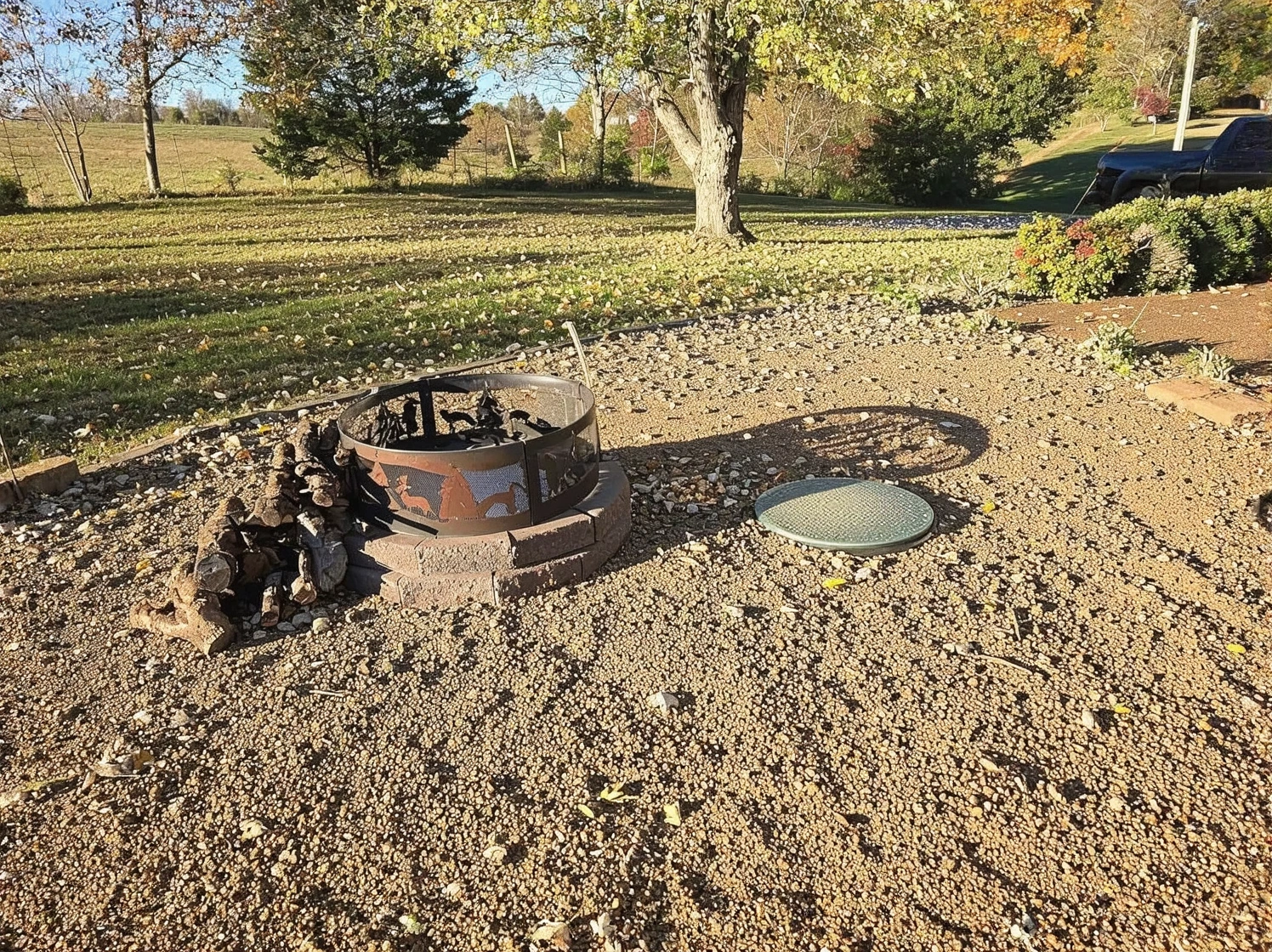
Aero-Stream AS-R13 Septic Tank Riser Kit — 23.5" Diameter x
I caught mine at 70% full and skipped a year of pumping because of visibility.
Check Price on Amazon →