This conversation surfaces on roughly a hundred rural properties throughout my inspections each year. The question typically goes, “Joel, is having a garbage disposal going to hurt our septic setup?” My honest take: the answer shifts based on circumstances — yet disposal units consistently create substantially more strain on your system than homeowners anticipate. Through two decades of field experience, I’ve watched disposal units transform functioning septic arrangements into maintenance headaches that cost families thousands. If you’re digging for straightforward information about whether garbage disposals and septic tanks play well together, I’m delivering what I’ve witnessed in the dirt and pipes, not what marketing copy promises.
Nearly two decades spent pumping tanks, performing inspections, and executing full system reconstructions throughout Georgia, Alabama, and Tennessee have revealed what disposal units genuinely accomplish beneath your home. I’ve cracked open system lids where sludge had accumulated to such density that operational capacity had been sliced roughly in half — systems that should have delivered reliable service for a quarter-century. Time and again, a disposal unit sat at the root of the problem. That doesn’t necessarily mean you need to schedule professional extraction of your unit immediately. What it does require is grasping the genuine ramifications — and taking deliberate action to safeguard your system’s longevity.
The Mechanics of How Disposal Units Compromise Your Septic Arrangement
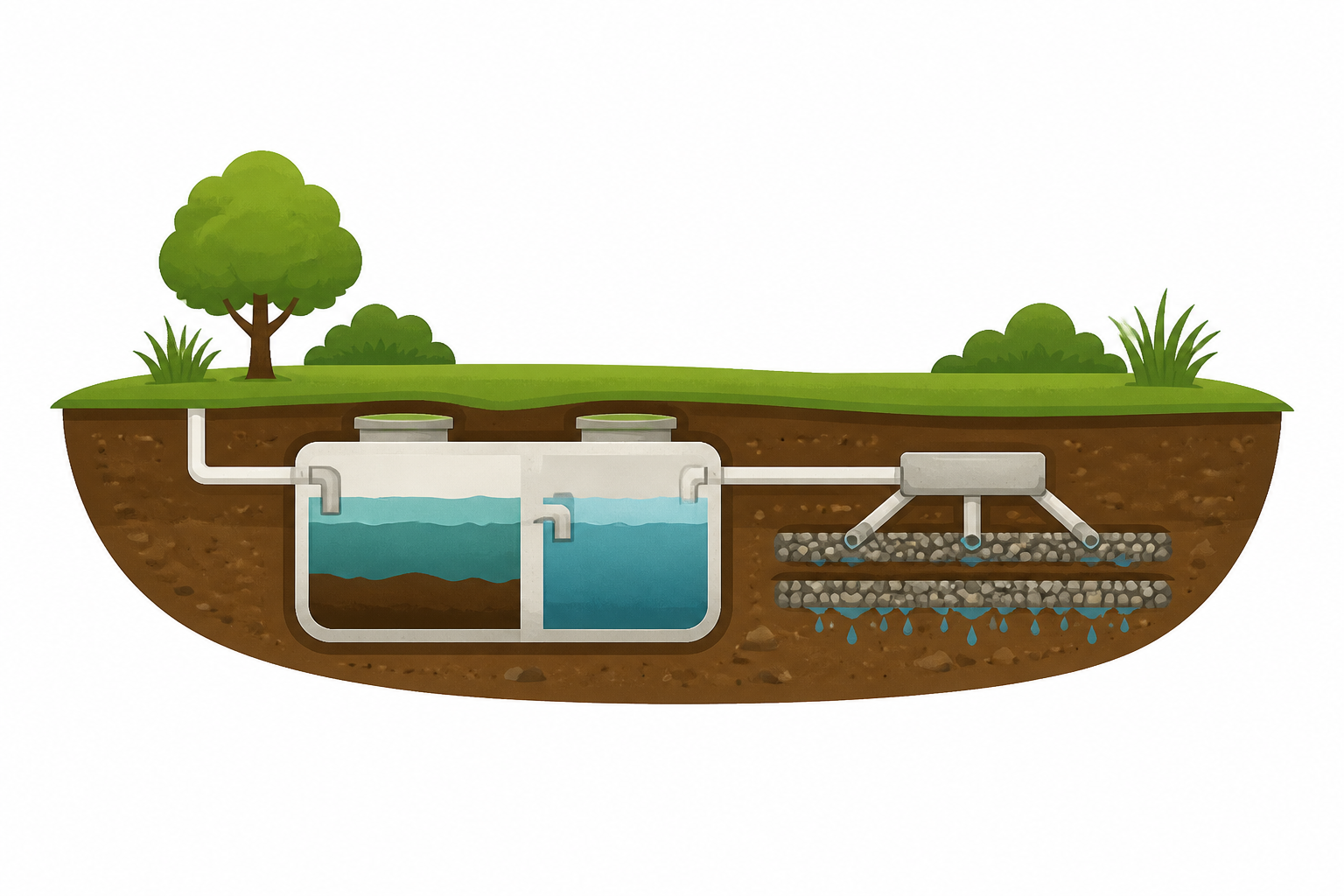
Your septic mechanism operates as an organic decomposition process. Bacterial colonies functioning without oxygen digest accumulating matter progressively. These particles form distinct strata: a lower band of dense residue and an upper band of accumulated fats, lipids, and petroleum compounds. The watery discharge sandwiched between — specialists term this effluent — flows onward toward your absorption area. The framework operates reliably, yet carries genuine constraints.
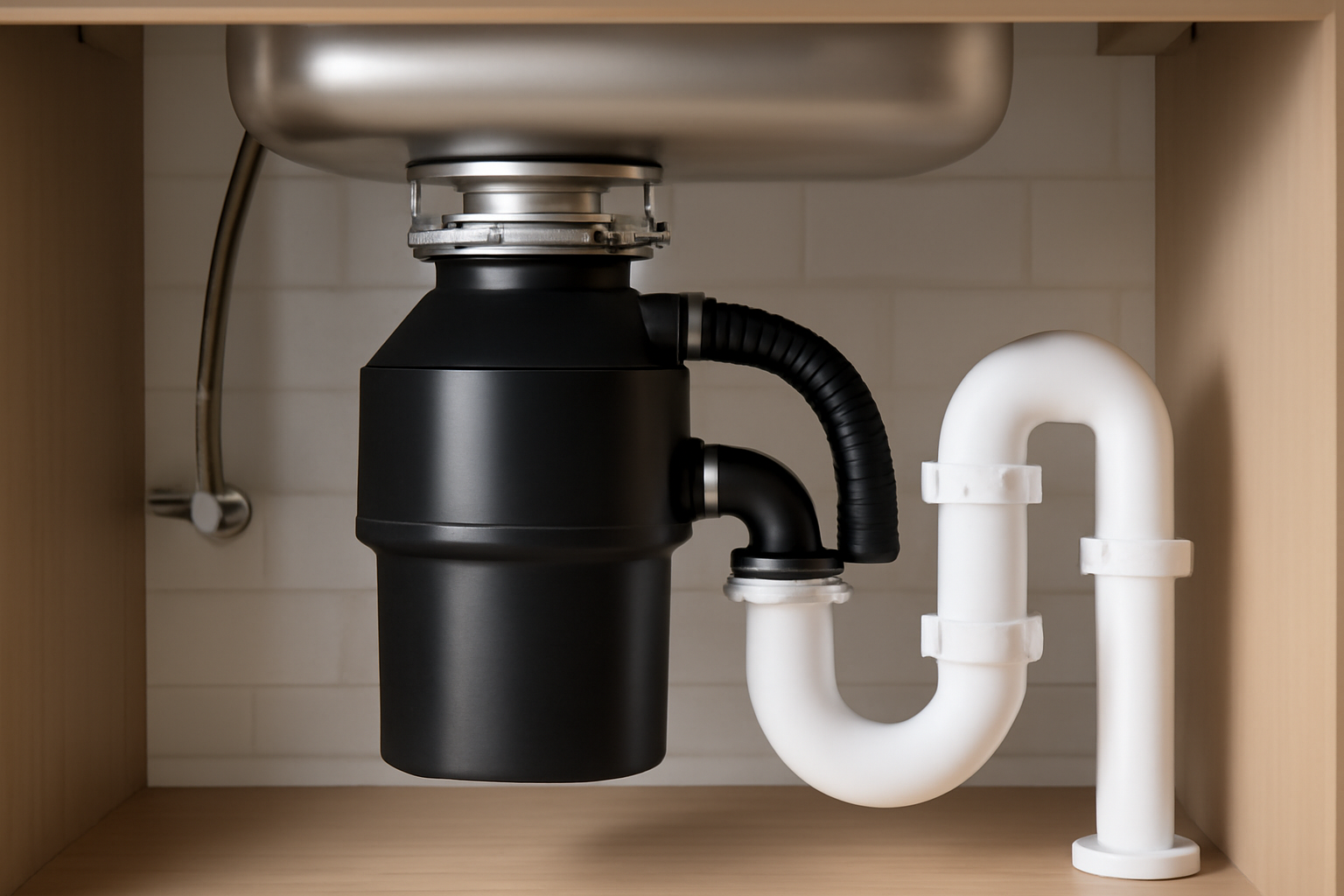
Running a disposal unit pulverizes kitchen scraps into granular material, which gets channeled directly into this bacterial ecosystem. The challenge emerges because pulverized food matter — particularly grain products, vegetable starch, pasta residue, and rendered animal products — resists decomposition differently than human biological waste. Sludge volume climbs substantially faster as a result. Documentation published by the Environmental Protection Agency regarding residential treatment systems observes that disposal units channel supplementary solids into septic arrangements at rates reaching 50% or greater. The figure carries serious weight. Higher solid volume means pump-outs become necessary more regularly and equipment degradation accelerates faster.
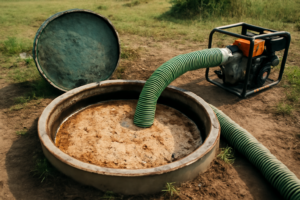
This realization struck during my earliest years installing systems. A household in the foothills north of Atlanta — pleasant folks, equipment installed roughly four years earlier, tank capacity 1,000 gallons. When they phoned reporting drainage slowness, I investigated the chamber. Residue had accumulated to 40% of the tank’s usable height already. Pump specifications recommend intervention when deposits reach 33% of tank dimension. They were requesting urgent service at the four-year milestone, with another extraction cycle projected within twenty-four months. A disposal running continuously — regularly handling cooking fats — was systematically shortening their maintenance calendar to essentially half its standard duration. Each pump visit carried expense around $300–$400 in surplus charges compared to standard intervals.
Petroleum Compounds Damage Drain Field Performance More Than People Expect
Among all material a disposal unit propels downstream, animal-based lubricants present the greatest menace. Petroleum-based compounds and rendered fats — industry terminology: FOG — represent the primary threat to drain field viability. When fat molecules encounter your tank’s interior temperature, they harden. Buoyancy keeps them floating within the uppermost waste layer. Biological action processes them slower than alternative substances. The scum band thickens progressively. Eventually, solidified fat material crosses your tank’s discharge opening and travels into your distribution piping.
Petroleum-based compounds reaching your absorption area trigger biomat development. A biomat consists of thickened, oxygen-depleted matter adhering at the interface between drainage pipe material and surrounding dirt. It impedes water movement, forces effluent upward into your distribution channels, and under severe circumstances requires complete absorption system replacement. Throughout the Southeast region, drain field restoration pricing varies from $4,500 through $12,000 based on subsurface composition and equipment dimension. Installing a $150 petroleum separator apparatus beneath your basin assembly represents remarkably affordable insurance against such catastrophic expense.
This isn’t theoretical conjecture. During late spring I was contracted for work near Huntsville involving residential drainage malfunction. The household’s absorption territory deteriorated after merely seven years of service — substantially premature compared to projected lifespan expectations. Disposal of petroleum compounds through kitchen fixtures paired with an operational disposal device created the crisis. Installation of the petroleum capture apparatus they overlooked would have required vastly smaller financial commitment than the $7,200 absorption system they ultimately needed to commission.
Installing a Petroleum Barrier That Shields Your Septic Mechanism From Disposal Consequences
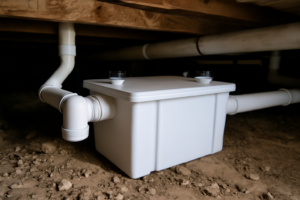
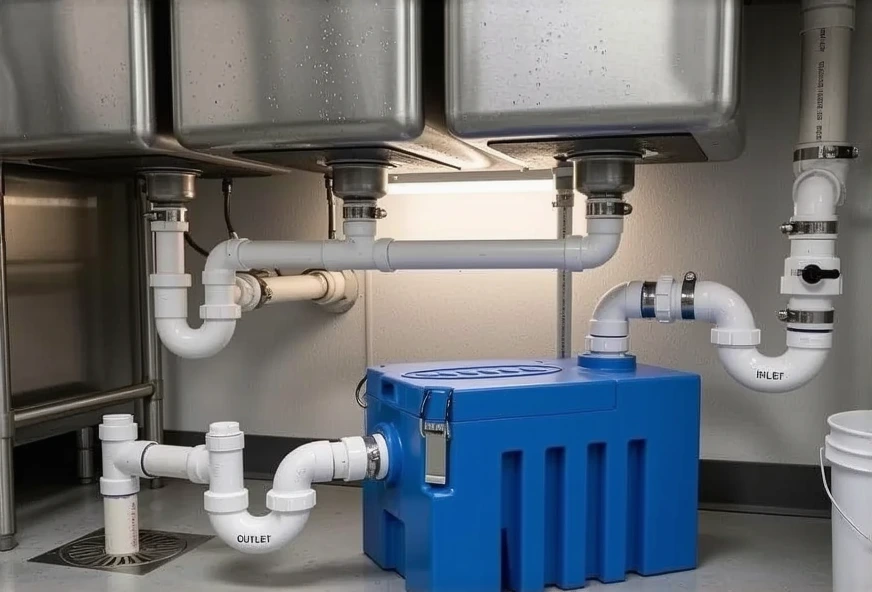
Should you opt to keep that disposal unit operating, an in-line petroleum separator becomes your mechanism’s strongest line of protection against material that disposal blades force into your arrangement. Through experience, I recognized this particular apparatus as the single component that genuinely mitigates deterioration.
Where it delivers value
- Traps petroleum compounds and particulate matter upstream of tank entry, furnishing an inspectable, maintainable collection point rather than allowing everything to drift uncontrolled
- Standard 3 GPM throughput handles everyday kitchen drainage velocity efficiently, preventing pressure buildup or noticeable reduction in water movement
- Surface-mounted discharge port setup grants direct accessibility for maintenance tasks — requires no excavation, offers transparent capacity monitoring
Where functionality falls short
- Cannot eliminate the fundamental problem — you remain operating a disposal mechanism, perpetuating extra maintenance overhead rather than eliminating the source
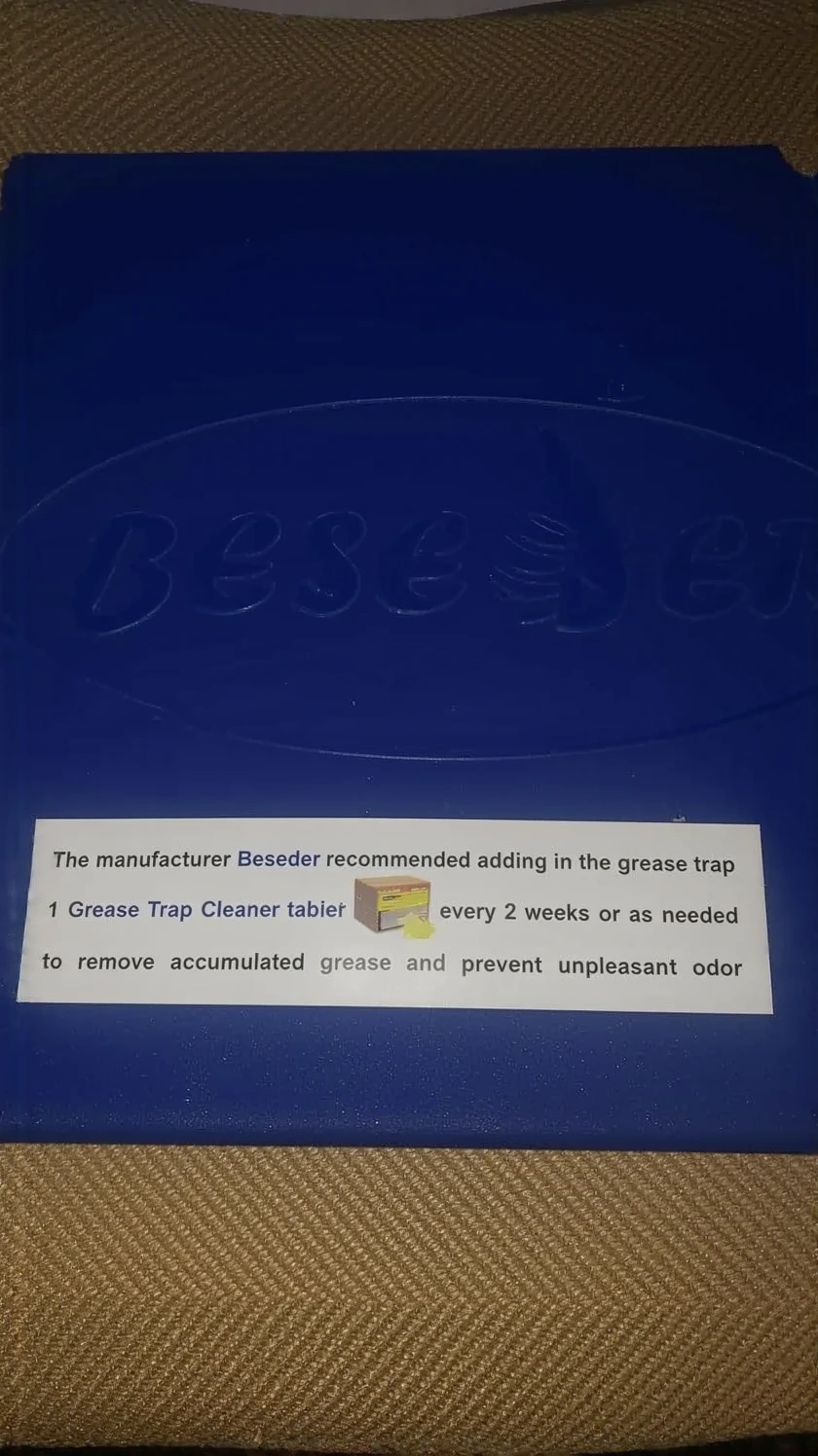
- Demands systematic emptying (typically spanning 2–4 week intervals for households with frequent disposal operation) otherwise performance degrades rapidly and creates plumbing obstruction beneath fixtures
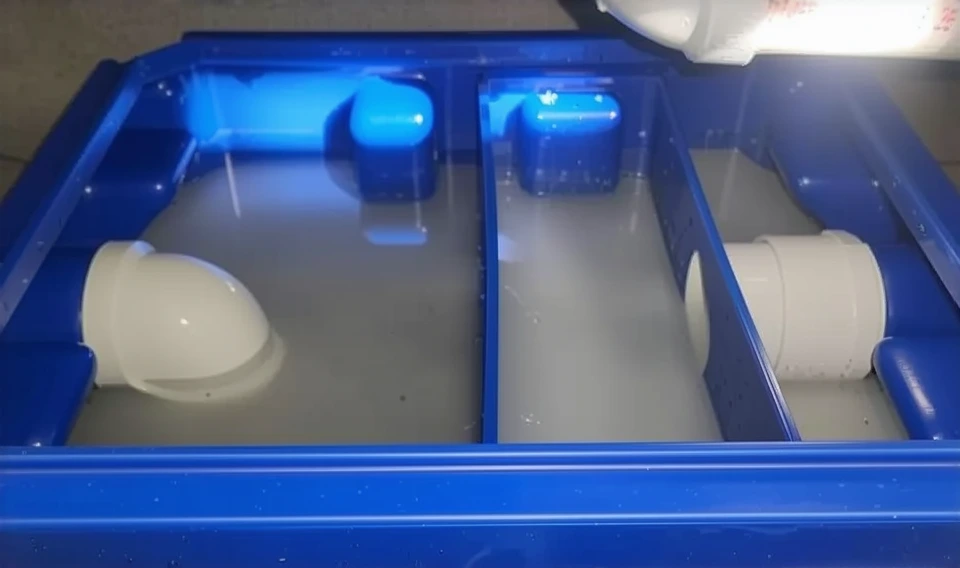
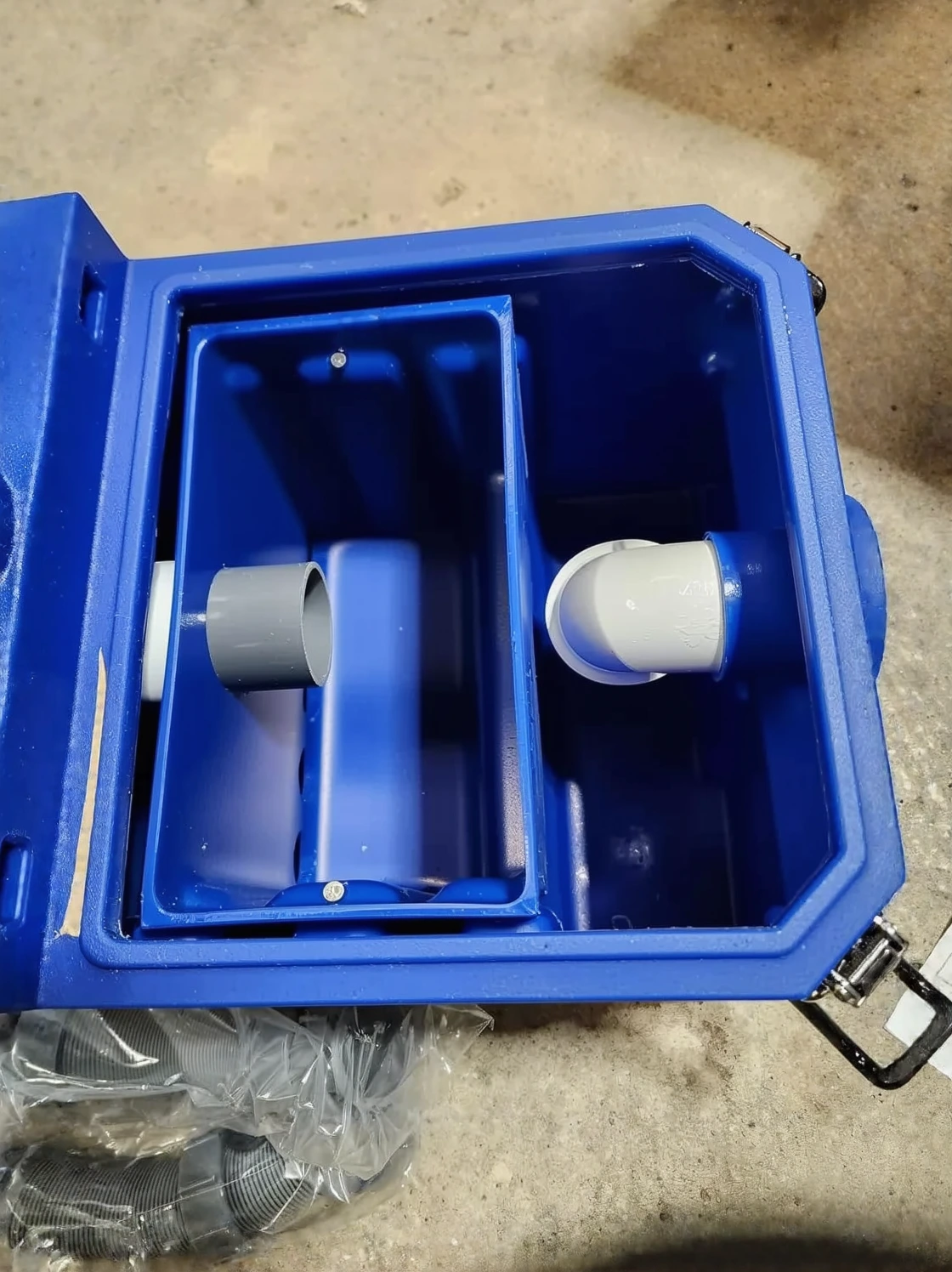
I went three years without one of these before I finally bit the bullet and installed it — and I remember the morning I pulled out a pound of grease that would’ve been sitting in my tank right now. Grease Trap plastic 3 GPM Under Sink for Home Kitchen – connection type TOP
Sources and further reading
About This Article

Written by Joel Grayson. Rural property owner who learned septic systems the hard way after my own failed 15 years ago. I created Backyard Septic to give homeowners honest, practical guidance on septic installation, maintenance, and troubleshooting. More about this site.
Scope and limits. Joel is an experienced rural property owner, not a licensed septic inspector. Have a licensed septic professional handle pumping, permits, and any diagnosis you plan to act on — and never enter a tank.
Verify this against a primary source
Specifics change, and your situation may differ from the one described here. These are the authorities worth checking directly:
- EPA SepticSmart — septic system care, inspection intervals and failure signs
- NSF International — treatment unit and tank certification standards