

You’ll encounter two schools of thought when evaluating a property’s septic system before purchase: one camp trusts the seller’s disclosure and a standard home inspection, while the other demands a complete tank pumping and visual assessment of the drain field. I’ve spent 15 years in the second camp, and the math backs it up. A couple I worked with chose the first path, skipped a dedicated septic evaluation, and discovered a structurally compromised distribution box only after closing. Remediation ran $8,400. That’s the gap between assumption and investigation.
My career has centered on septic system evaluation and guiding rural buyers through the questions that matter. Over the past decade and a half, I’ve documented thousands of tanks, dug through permit files, and negotiated price reductions when inspection findings warranted them. Every client I advise receives the same methodology—a systematic walkthrough designed to catch what a cursory title search or visual drive-by will always miss. That’s what I’m sharing here.
Septic systems don’t operate like kitchen appliances. A full replacement isn’t a $1,500 proposition—realistic budgets fall between $15,000 and $40,000 or higher, hinging on soil composition, system classification, and local regulatory costs. The financial stakes demand rigorous vetting before you sign an offer. Here’s how to approach it systematically.
Step 1: Pull the Permit History Before You Tour the House
Documentation is my starting point, always. Before setting eyes on the property itself, I contact the county environmental health or health department office and obtain the full record of permits and filings. Every jurisdiction I’ve worked across maintains these as public documents. Within that file sits the installation date, system type, design load (expressed in bedrooms or GPD), and a chronology of any permitted work or system modifications.
The details I zero in on: original system permits, any permitted repairs spanning the last two decades, and the as-built schematic. An as-built—whether hand-sketched or computer-generated—provides precise coordinates for the tank footprint and drain field extent. Without this diagram, you’re essentially working blind, potentially digging in the wrong spot if problems emerge. I’ve encountered situations where prior owners expanded their homes by adding sleeping quarters without increasing tank capacity to match. That’s an unpermitted violation that will eventually wreck the absorption field.
Roughly three in ten permit records I retrieve surface something worth examining—undocumented repairs, a missing as-built, or equipment predating contemporary codes by decades. Such discoveries don’t necessarily derail the transaction, but they reshape the conversation around price and contingencies. The quantity of potential concerns matters as much as any isolated item.
My Complete Buying House With Septic System Checklist
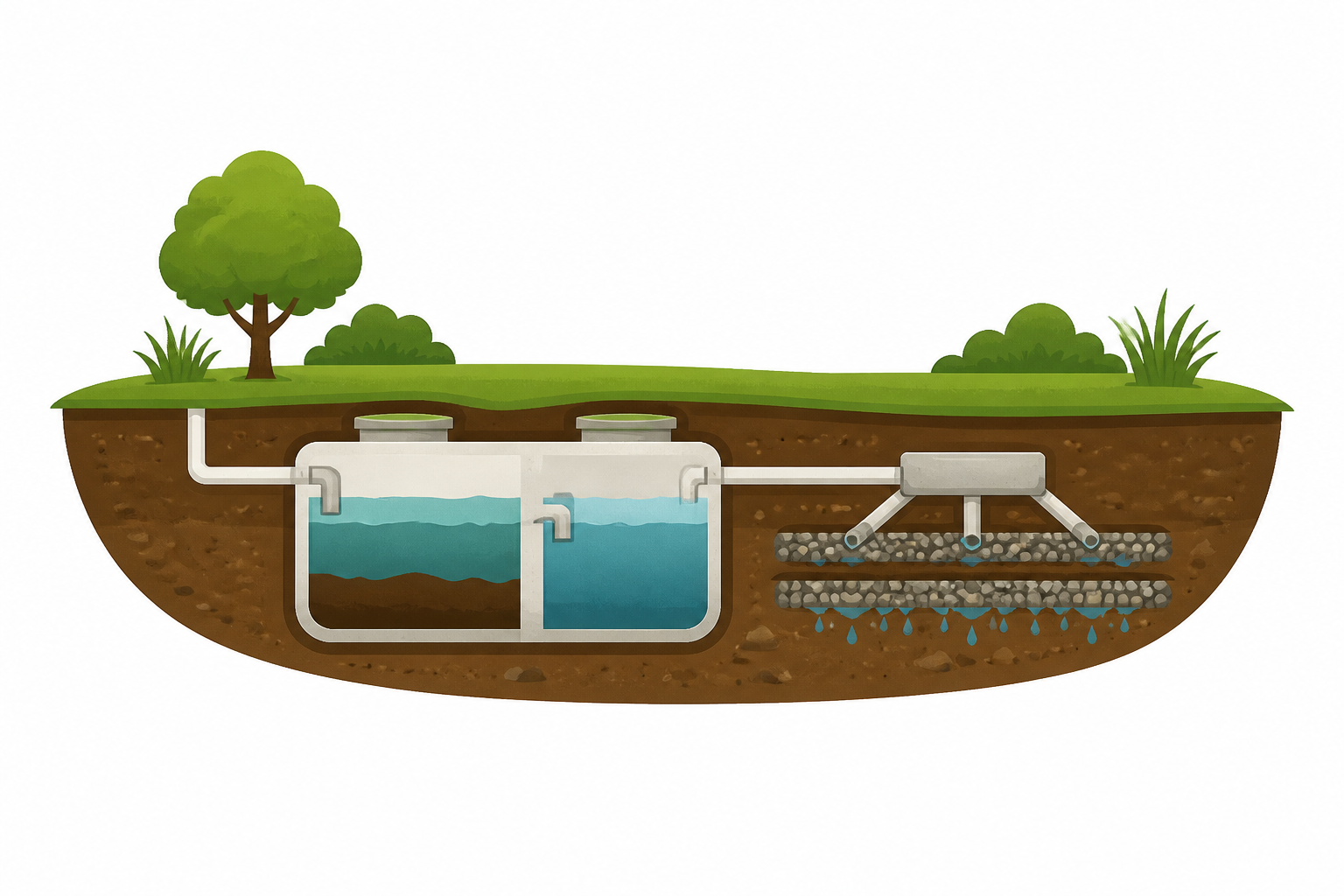
The framework I furnish to all prospective purchasers follows this structure. Picture it organized into four tiers: documentation, visual walkthrough, internal tank evaluation, and absorption field integrity. Each tier has distinct vulnerability patterns.
Records and Documentation
- Permit documentation from the county showing installation year and original system specifications
- As-built schematic with marked locations of tank and absorption field
- Approved design capacity aligns with the number of bedrooms currently in the residence
- Documented pumping record dated within the previous 3 years from a certified professional
- Permits and signed inspections covering any system expansion or repair work
- Service agreement paperwork if the system uses pressure dosing or aerobic treatment
Physical Site Inspection
- No driveways, buildings, decks, or pavement positioned atop the absorption field perimeter
- Grass over the drain field displays normal growth patterns with no suspiciously verdant or waterlogged zones
- No foul odors detectable in the yard vicinity, particularly around tank access ports or riser pipes
- Tank access lids visible and reachable, not buried beneath excessive dirt or mulch
- Minimum 10-foot clearance from tank perimeter to the home foundation; 50–100 feet minimum from any water source (local ordinance variation applies)
- Tree canopy and root systems positioned 20 feet or farther away from tank and subsurface lines
Tank Condition
- Tank drained and visually evaluated by a state-licensed pumping contractor prior to your purchase
- Inlet and outlet baffle walls fully functional and structurally sound without fractures
- Tank walls free from cracks, penetrating root growth, or surface degradation
- Access lids seal properly and exhibit no visible damage or gaps
- Tank volume meets or exceeds capacity recommendations for the occupancy—three bedrooms typically require minimum 1,000-gallon capacity
- Effluent strainer assembly installed and accessible for cleaning (standard on most systems built after 1999)
Drain Field Assessment
- No evidence of liquid surfacing or pooling anywhere across the drain field footprint
- Distribution manifold sits level and channels flow uniformly across all branch laterals
- Subsurface lines verified clear of obstructions using visual camera inspection or tracer dye methodology
- Spare absorption area identified and available for future system expansion (regulatory requirement in most jurisdictions)
- Zero signs of system overload—yard drainage delays, drainage fixture backups, audible air movement in drains
The Camera That Turned a Blind Offer Into an Informed One
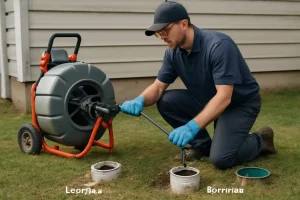
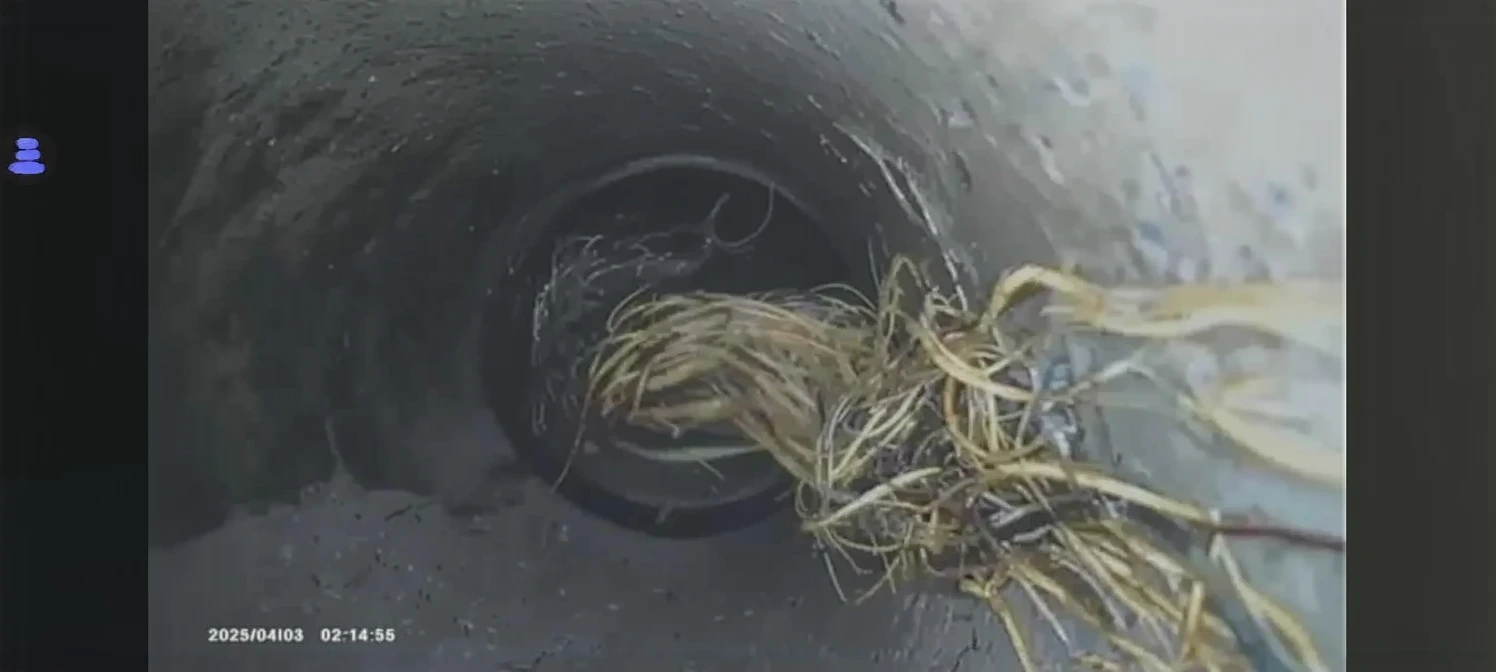
You can’t make a prudent financial commitment to a property without seeing what’s genuinely happening beneath the surface. A drain line camera grants you genuine visibility into tank structure, manifold performance, and lateral integrity before committing substantial resources to ownership—precisely what that couple should have prioritized before closing.
What works
- 1080P recording resolution captures fissures, root penetration, and structural shifts your naked eye can’t resolve—plus integrated storage preserves video you can reference during negotiations or share with specialists.
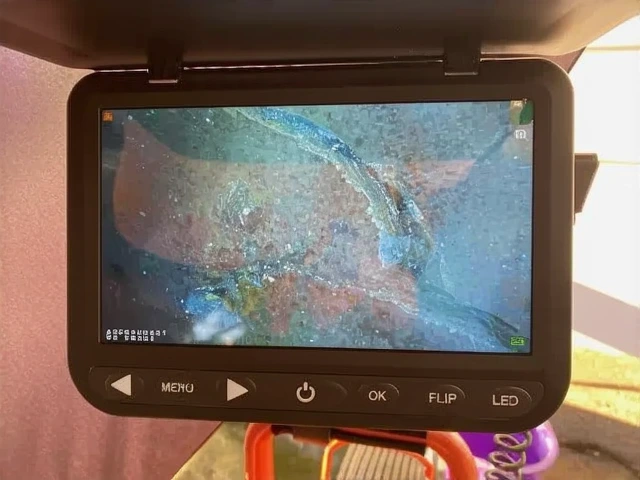
- The integrated display panel provides real-time visual feedback as the camera navigates through lines, letting you pinpoint trouble spots and document their exact location on a site map.
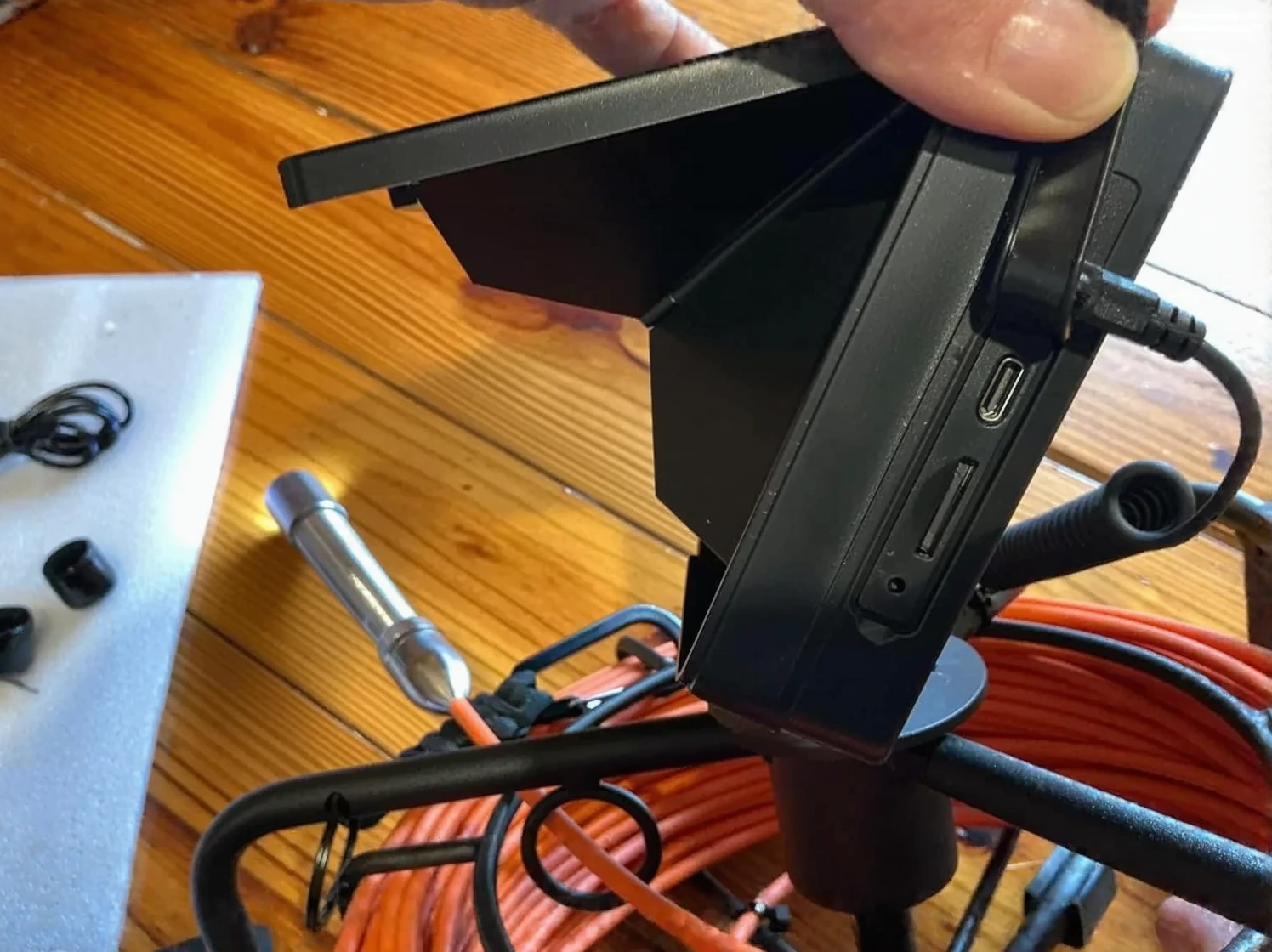
- Battery-powered architecture and compact form factor make transport straightforward—I’ve deployed this equipment on six presale inspections, and it recovers its investment on the first job where it prevents a four-figure surprise.
What doesn’t
- Cable hangups occur when encountering dense root masses or severe PVC bends—controlled, deliberate motion and minimal pressure are necessary, not forceful pushing, which risks damaging the camera head.
- Visual inspection alone can’t measure tank depth, soil absorption capability, or saturation status in the drain field matrix—you require independent testing via a licensed pumper or soil evaluation specialist for comprehensive assessment.
I hesitated before dropping $400 on a camera for my first house hunt, worried I’d feel like an idiot poking around someone else’s septic system—but the moment I spotted that hairline crack in the distribution box on the property I almost bid on, I knew it was the cheapest insurance I’d ever bought. Get the 2026 new 7″ Sewer Camera with HD 1080P and DVR-32GB recording and inspect before you offer.
This post contains affiliate links. As an Amazon Associate, I earn from qualifying purchases at no extra cost to you.
2026 new 7" Sewer Camera with HD 1080P and DVR-32GB
I’ve used this on five pre-purchase inspections and it’s paid for itself every time.
Check Price on Amazon →