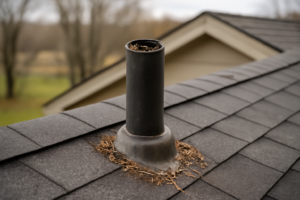

Your vent stack sitting unfiltered on the roofline is actively pumping hydrogen sulfide directly into your yard, and you probably didn’t know it was even there. That pipe carries sewer gas away from the tank, but if nothing stops it before release, your whole property gets the benefit of that rotten-egg stench — especially when the wind shifts.
Homeowners typically waste hundreds of dollars on enzyme packets, charcoal tablets, and marketed “bio-activators” chasing a smell that has nothing to do with what’s inside the tank itself. I spent time last summer with a property owner south of Valdosta who’d already burned through $430 on various treatments without touching the actual culprit: an uncapped vent pipe and a completely clogged inlet baffle. Eight minutes of inspection identified both problems. Sixty dollars and eighty-five in service time later, she had fresh air instead of sewage stench. Everything else she’d bought was money thrown away on solutions to the wrong problem.
This scenario repeats constantly across rural properties. Septic odors rank among the most widely misunderstood maintenance headaches, and questionable information propagates through homeowner forums and contractor recommendations faster than accurate troubleshooting ever could. Across nearly two decades of work from the coastal plains up through the foothills, I’ve handled every odor complaint imaginable. Some vanish with a $50 part. Others demand heavy equipment and deep pockets. What follows will teach you to distinguish between the two — and quit financing solutions that were never going to work.
How Septic Odors Actually Originate
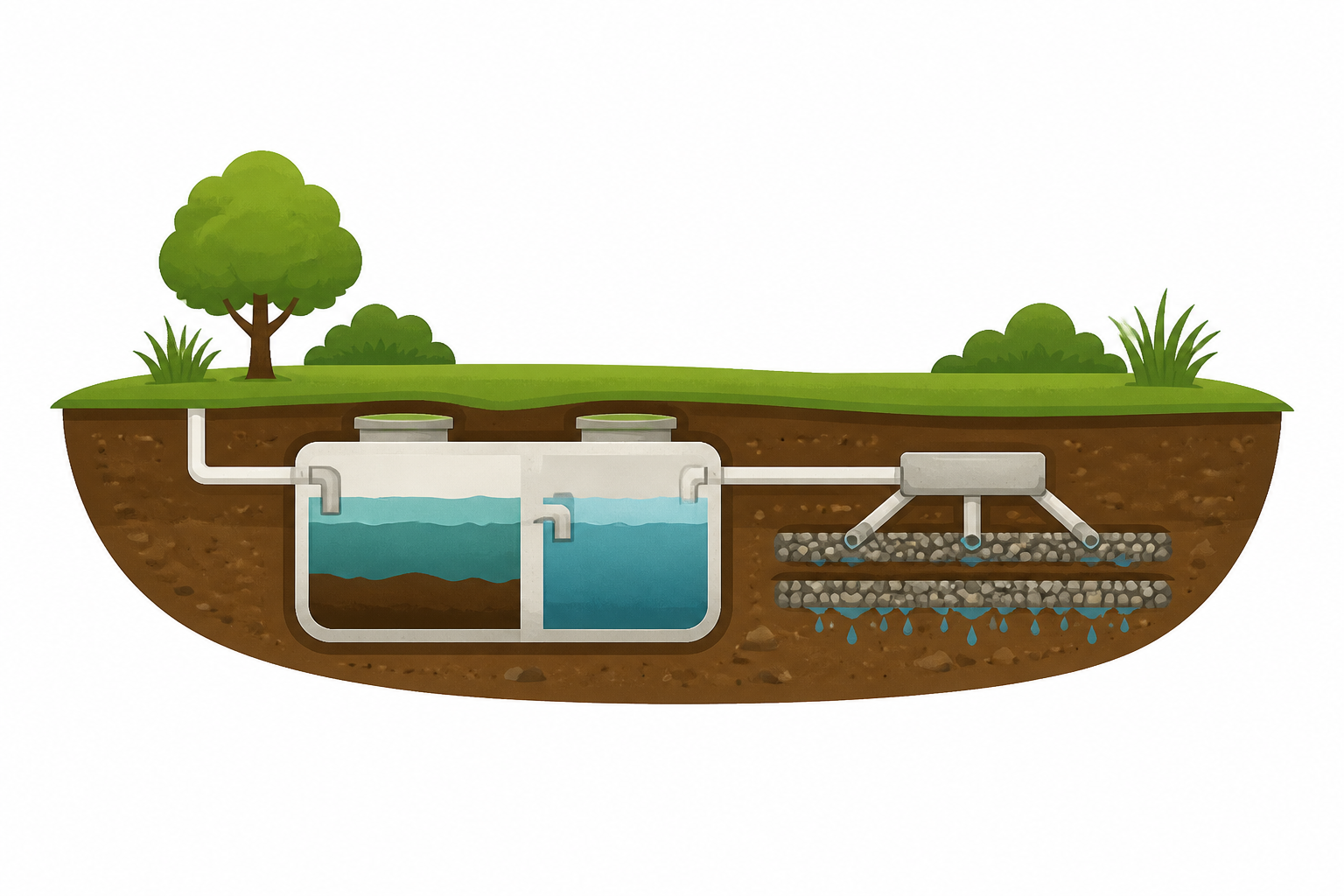
The foundation of any fix starts with understanding root cause. Septic tanks generate hydrogen sulfide gas — that unmistakable rotten-egg reek — alongside methane, ammonia, and other volatile organic compounds. These byproducts emerge naturally when anaerobic bacteria break down solid waste inside the tank. The system’s intended design channels these gases upward through your plumbing stack, past roof level, and disperses them harmlessly into the atmosphere far above occupied spaces. When that discharge pathway becomes obstructed or bypassed entirely, residents experience the smell.
Three distinct zones produce odors: your vent stack on the roof, the terrain surrounding your drain field, and your interior drain lines and fixtures. Each originates from different mechanical failures and demands different solutions. From my years in the field, homeowners typically rush to medicate the tank when the actual breach lies somewhere in the ventilation system. It mirrors treating your wrist when the actual wound is on your hand — feels like progress but delivers no results.
Pinpointing which location produces the odor forms your essential first move. Foul air seeping through interior drains almost invariably reflects plumbing troubles — evaporated trap seals, fractured wax rings on toilets, or deteriorated closet flanges. Stink emanating from the ground directly above or beside your tank points toward the tank, baffles, or saturation of the absorption field. Odor detected downwind but distant from buried components signals your rooftop stack as the source. This diagnosis saves your wallet before you purchase anything.
Septic Odor Fixes That Deliver Real Results
Fix 1: Mount a Carbon Filter Atop Your Vent Pipe
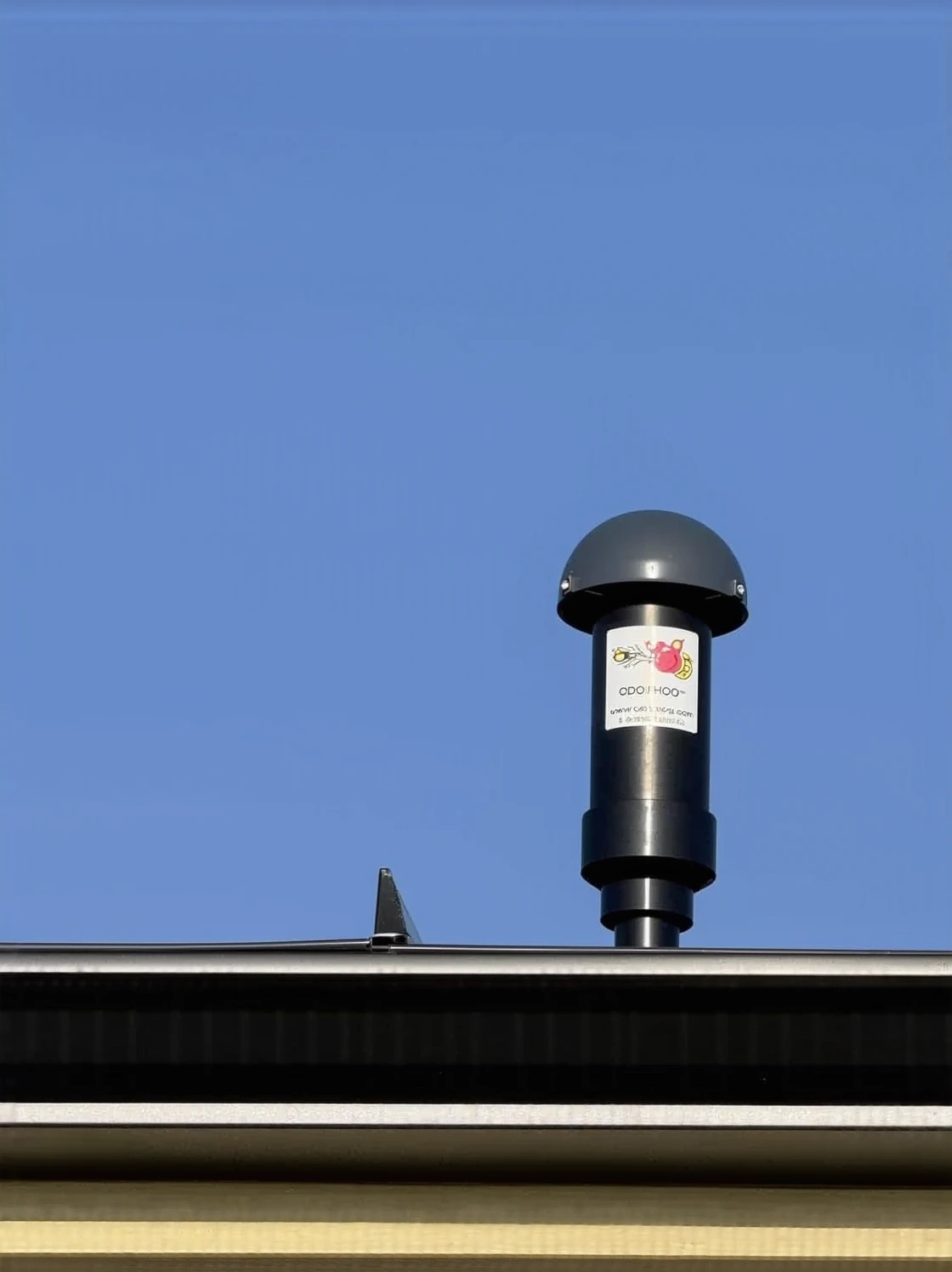
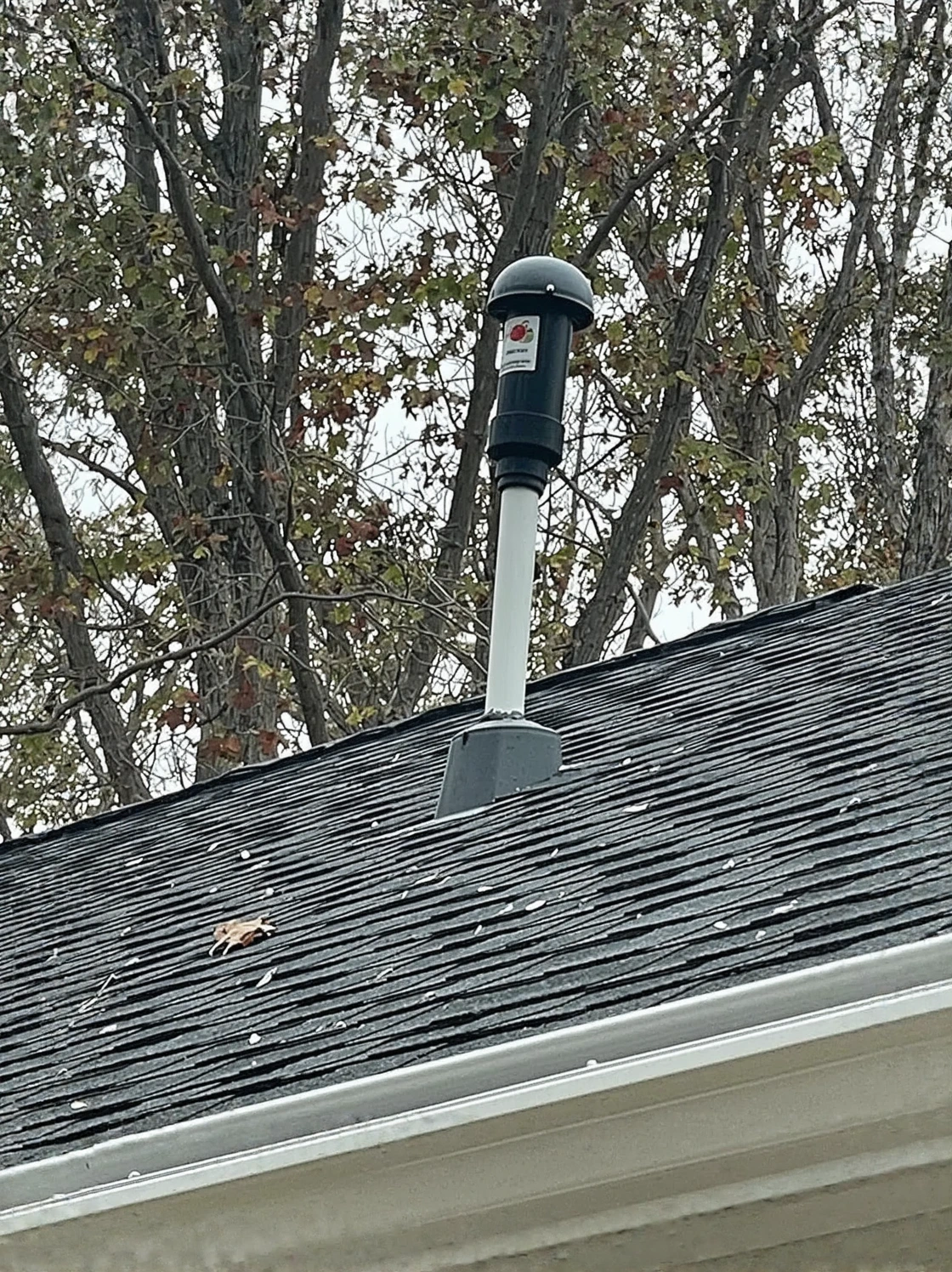
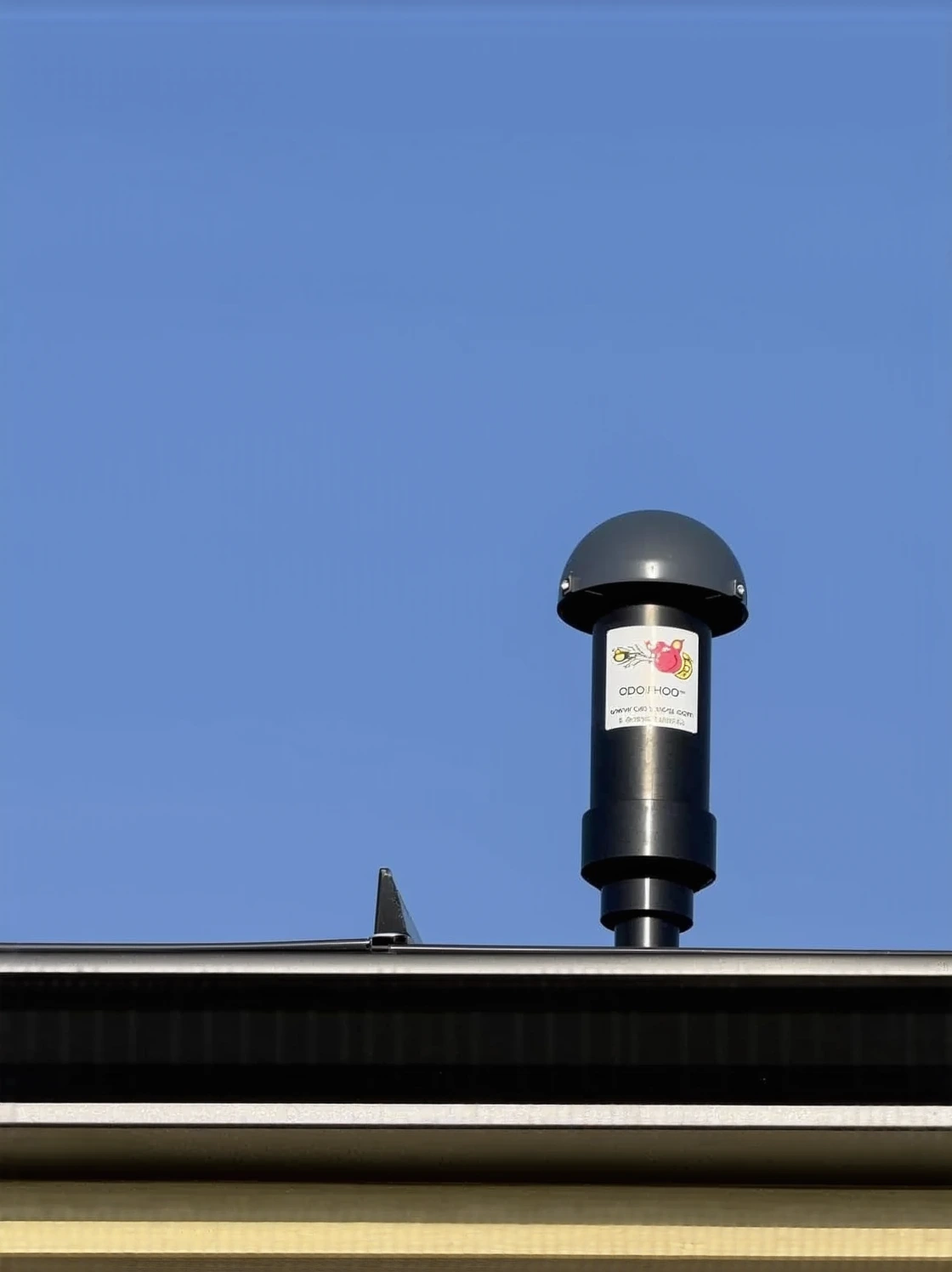
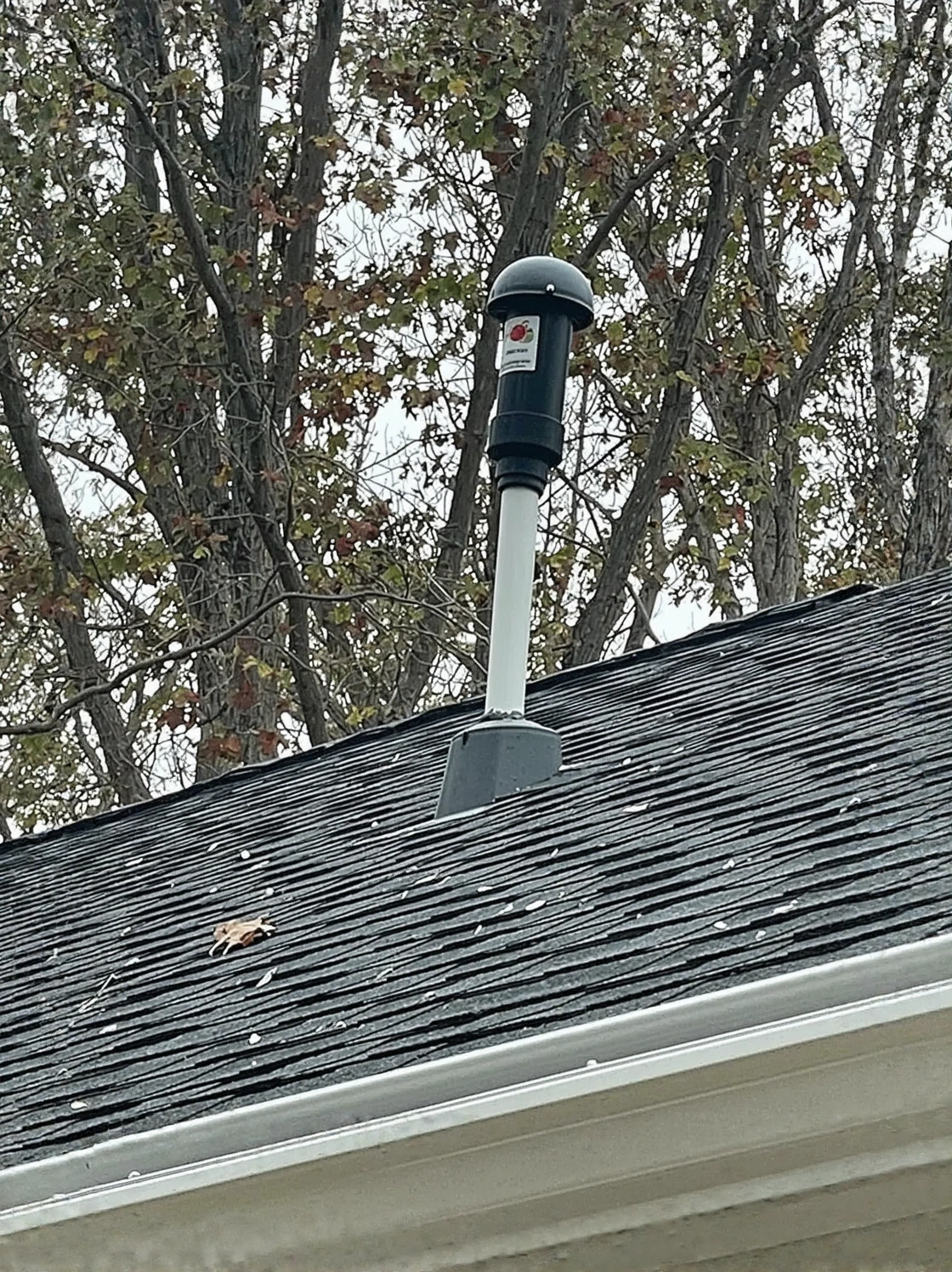
Nothing I’ve encountered outperforms this straightforward solution for yard-level odor complaints, yet it remains criminally underutilized. A carbon-filtered roof cap attaches directly to your existing vent stack and scrubs venting gases through activated carbon media before they disperse. Hydrogen sulfide molecules get neutralized on contact rather than reaching noses downwind. The outcome: smell reduction typically appears within 24 to 48 hours of installation, zero biological chemistry required.
I remained unconvinced when I first deployed one of these devices. Someone in Lowndes County had endured smell complaints for back-to-back summers despite normal tank levels and healthy drain field performance. Her plumbing checked out clean. I mounted a carbon cap on her stack one Wednesday, and she phoned Thursday morning reporting noticeable improvement already underway. That installation happened roughly six years past, and I’ve since equipped numerous systems with identical results.
Fix 2: Evaluate and Restore Your P-Trap Seals
When indoor odors dominate your complaint, my first inspection targets P-traps throughout your residence. These curved piping segments beneath sinks and at toilet bases store water that functions as a gas barrier against septic vapors entering living spaces. Should a bathroom sit unused for stretches — particularly in warm, dry conditions — that standing water evaporates completely, sometimes in three or four weeks flat. Once that seal dries, your septic gases travel unobstructed straight up through the fixture and into your home.
Resolution requires almost comical simplicity: operate all household drains and fixtures weekly without fail. For homes left vacant seasonally, deposit mineral oil by the cupful down each drain before departure. Mineral oil floats atop the trap water and markedly slows evaporative loss. This remedy costs around $3 and consumes minimal time, delivering consistent outcomes. Laundry room floor drains and garage area floor drains function as invisible odor sources constantly forgotten by property managers.
Fix 3: Evaluate Your Tank’s Inlet Baffle Integrity
Inside your septic tank sits a T-shaped baffle at the exact location your sewer line connects. This component’s responsibility is steering fresh wastewater downward, beneath accumulated scum, preventing gases from reversing course up the inlet line and venting through household fixtures. Concrete tank baffles commonly deteriorate with age, permitting gas migration backward along your sewer line and emerging from every drain outlet in your home.
Replacement of a deteriorated inlet baffle typically ranges from $150 to $350 based on accessibility and regional pricing. Throughout the Southeast, my standard replacement charge during a pumping appointment is approximately $200. Nevertheless, baffle evaluation mandates full tank access and inspection. Homeowners must never attempt this independently — hydrogen sulfide reaches lethal concentrations in confined tank environments, and OSHA classification 1910.146 restricts tank entry to trained, licensed personnel exclusively. Retain a qualified septic contractor for all tank interior work.
Fix 4: Target Drain Field Odor Sources Directly
Offensive smells rising from soil above your drain field typically reveal either field saturation releasing gases upward or a malfunctioning distribution box cap permitting direct gas escape. Both circumstances signal advanced system deterioration. A correctly performing drain field operates silently underground, produces zero surface odor, shows no pooling water, and avoids creating abnormally vigorous vegetation rows above buried lines.
I discovered this principle through failure on the first systems I helped with around 2008. A neighbor complained of sewage odor near his field, and I reflexively recommended tank-side bacterial treatments. Three weeks onward, he called reporting actual sewage breaking ground in his yard. His field had already crossed into irreversible failure — I’d misidentified the symptom entirely. The situation necessitated complete system replacement costing nearly $8,500, a painful education in field odor significance. Never medicate the tank when field breakdown is the actual antagonist.
Septic Odor Fixes That Drain Your Budget for Nothing
I need to be transparent here: practically all septic treatments displayed on hardware store shelves and retail outlets accomplish essentially nothing for odor elimination. Bacterial additives and enzyme treatments represent the most aggressively marketed frauds. A properly operating septic tank hosts trillions of naturally existing anaerobic bacteria processing waste decomposition already. Introducing additional bacterial cultures produces negligible change in gas generation capacity — and absolutely cannot remedy a defective baffle, moisture-depleted trap, or overtaxed absorption field.
The EPA’s official stance on septic maintenance reflects considerable doubt regarding additive products. Government documentation explicitly states that biological additives lack necessity for functional systems and may occasionally degrade drain field performance through unintended solids discharge. Despite this, manufacturers allocate enormous budgets toward consumer marketing, and homeowners understandably gravitate toward accessible, inexpensive options first. I’m not claiming these products cause universal harm — I’m asserting they won’t address your odor source.
Tank-dropped charcoal pellets, commercial deodorizer grenades, decorative carbon vent covers, and spray applications around access points belong in identical categories. Momentary smell suppression may occur, but underlying causes remain entirely unaddressed. Consider this: if your unfiltered stack continuously discharges sewer gas toward your back patio in prevailing afternoon breezes, aerosol application provides zero protection. You require actual stack-level filtration — which now brings me to the single recommendation I personally endorse.
The Roof-Mounted Filter That Eliminated Our Rotten-Egg Problem
Odor complaints originate predominantly from unfiltered stack venting rather than tank interior conditions. An exposed or obstructed rooftop stack constitutes the primary culprit driving that rotten-egg reek outward, and biological treatments cannot address gas directly released before descending into your living areas.
What actually works
- Prevents sewer vapors from dispersing directly into surrounding property — the carbon medium intercepts odor molecules before they reach atmospheric escape
- Sustains unrestricted tank ventilation allowing normal gas evacuation while blocking smell propagation into adjacent areas
- Integrates with present infrastructure absent excavation or tank disturbance — installation consumes roughly 15 minutes mounted directly above your existing pipe
What fails to deliver
- Replacement cartridges require substitution annually or biannually based on system load, meaning this represents an ongoing maintenance commitment rather than permanent solution
- Provides no benefit when your actual trouble originates from tank overfilling or field deterioration — effectiveness applies exclusively to rooftop vent odor situations
I was skeptical the first time I installed one — seemed too simple to beat $400 in failed treatments — but within a week the homeowner called back and said the smell was completely gone.


Sources and further reading
About This Article

Written by Joel Grayson. Rural property owner who learned septic systems the hard way after my own failed 15 years ago. I created Backyard Septic to give homeowners honest, practical guidance on septic installation, maintenance, and troubleshooting. More about this site.
Scope and limits. Joel is an experienced rural property owner, not a licensed septic inspector. Have a licensed septic professional handle pumping, permits, and any diagnosis you plan to act on — and never enter a tank.
Verify this against a primary source
Specifics change, and your situation may differ from the one described here. These are the authorities worth checking directly:
- EPA SepticSmart — septic system care, inspection intervals and failure signs
- NSF International — treatment unit and tank certification standards