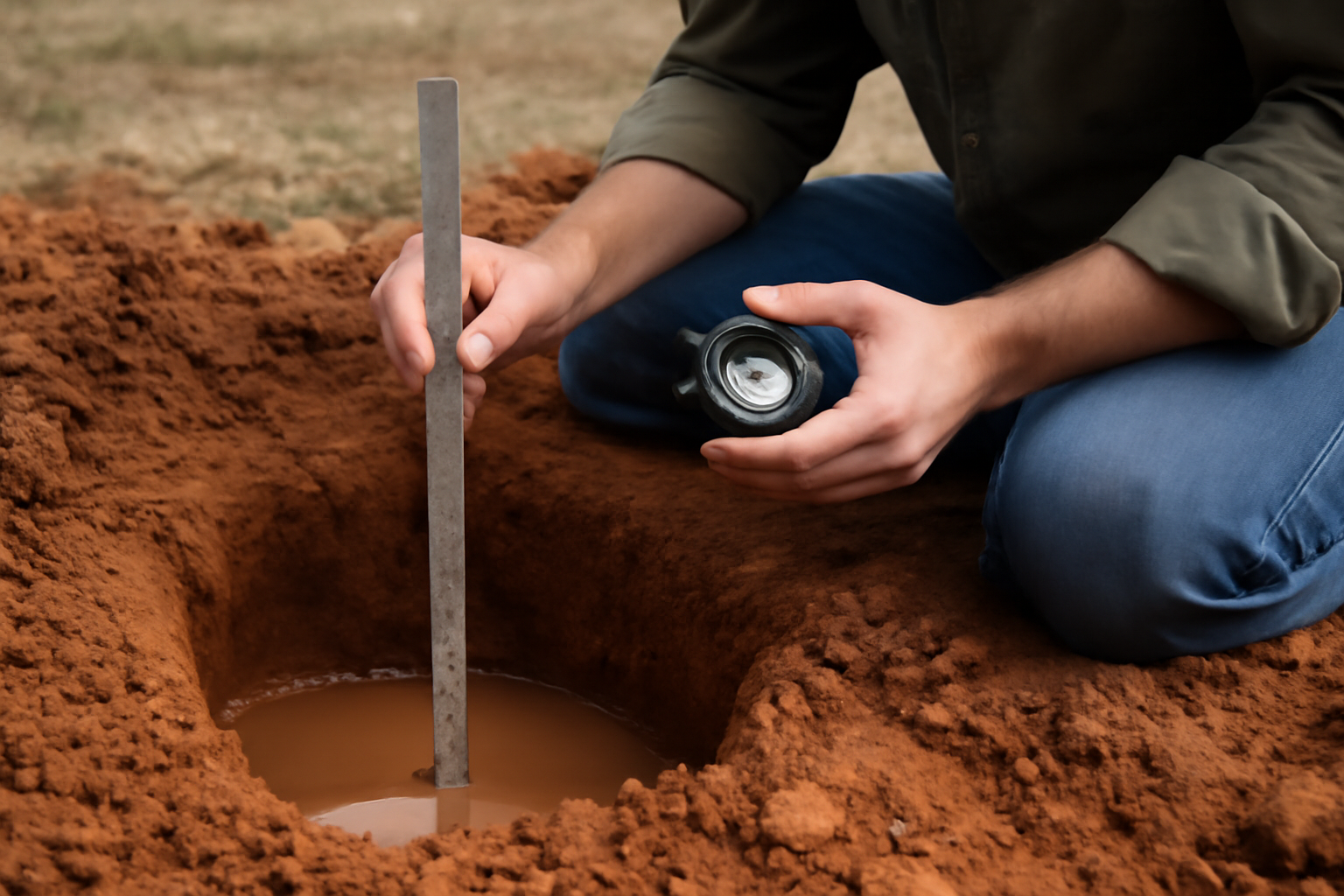
- Calculate the average drop per interval to determine the percolation rate in minutes per inch
- Submit those numbers to your local health department for permit evaluation
Skipping the presoak is the single most common shortcut I see junior testers take, and it’s the one I regret cutting myself, early on. Testing a lot in Cherokee County, Georgia, I let a rushed neighbor talk me out of a full presoak because recent rain had left the ground looking wet enough. The hole drained at a clean 12 MPI, the county approved it, the system went in — and inside two years that drainfield was saturated and backing up into the yard. Seasonal clay swelling had changed everything the quick visual check missed. I’ve never cut that corner again.
Why a Perc Test Fails: The Four Real Reasons
A failed perc test doesn’t mean your land is worthless, whatever the seller or the neighbor down the road tells you. In fifteen years of watching these tests, I’ve found the failures usually trace back to one of four causes — and two of them are entirely fixable with the right system design.
Restrictive Soil Layers: Hardpan and Clay
Across the red clay belt of Georgia and Alabama, this is the failure I run into most. A dense clay layer — call it fragipan, call it hardpan — sits under the topsoil like an upside-down bowl, and water simply stops moving once it hits it. I’ve tested lots in these soils above 90 MPI, well past what most state codes allow for a conventional system. That doesn’t end the conversation, though — a mound system or drip irrigation setup can often still get permitted on that same site.
A Seasonal Water Table Sitting Too High
Low ground near a creek or bottomland often carries a water table just 18 to 24 inches under the surface, and that alone rules out a conventional gravity drainfield. Every state sets its own required separation between the trench bottom and that seasonal high-water mark — Georgia typically wants 18 inches, North Carolina drops to 12 for some soil types. Your perc rate itself can look great and still fail once the full soil profile evaluation catches that water table.
Not Enough Usable Lot Left After Setbacks
Sometimes the dirt is flawless and the lot still fails on paper. County codes carve out mandatory setbacks — 50 to 100 feet from any well, 10 to 25 feet off property lines, plus buffers from streams and wetlands. I knew someone in Pickens County last fall with gorgeous loamy soil testing at 22 MPI. Once every setback got applied, what remained didn’t hit the minimum square footage a 3-bedroom home requires. Great soil, failed permit — a site plan pulled before closing would have caught it.
Testing Under the Wrong Ground Conditions
This one catches people off guard. Soil tested during a drought reads faster than it behaves the rest of the year — a hole dug in a dry August can post an optimistic rate that has nothing to do with how saturated that same ground gets in February. Several state programs require testing in a specific season or after a set amount of rainfall for exactly this reason. Always check with your county health department on seasonal testing windows before you schedule.
The Tool That Stopped Me From Guessing at Soil Depth
A perc test is only as accurate as the samples pulled to back it up, and without a real soil probe you’re testing by feel — which is nearly how I lost a permit in Cherokee County.
What works
- Driving it down with the foot pedal keeps every hole at a consistent depth without any twisting fight, so your readings reflect where the test hole actually bottoms out instead of a guess.
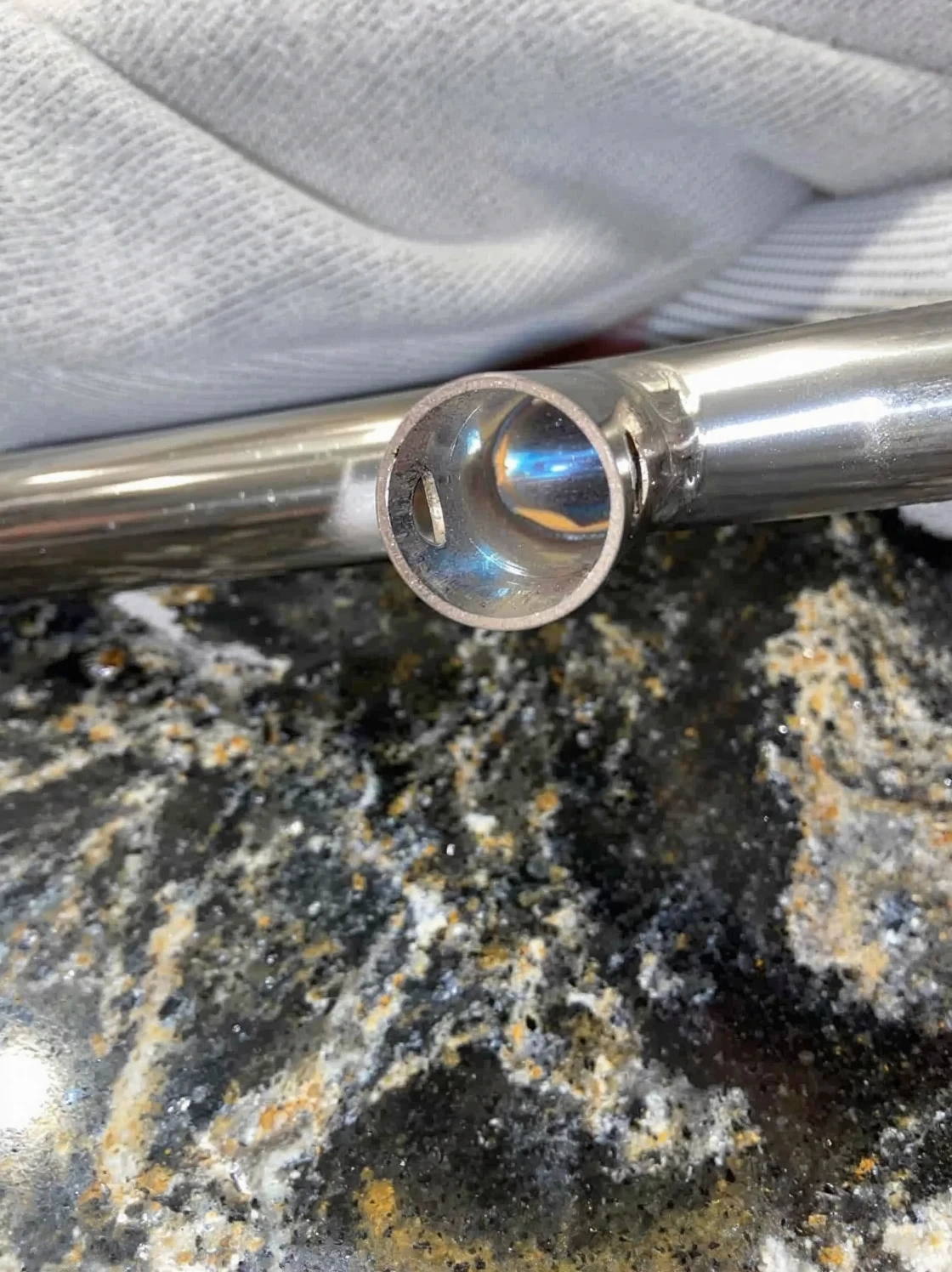
- Stainless steel shrugs off rust and soil corrosion between jobs, so you’re not scrubbing it down for an hour after every test or buying a new one each season.
- Reusable sample bags let you pull undisturbed soil from several depths in one hole, which is the only way to actually see where one soil layer gives way to the next.
What doesn’t
- Clay-heavy ground can grip the probe hard enough that pulling it back out, foot pedal or not, turns into a real leg workout on rocky or compacted sites.
- Thirty-six inches won’t reach a deeper hardpan or a perched seasonal water table, so a hand auger still earns its place for a full profile check.
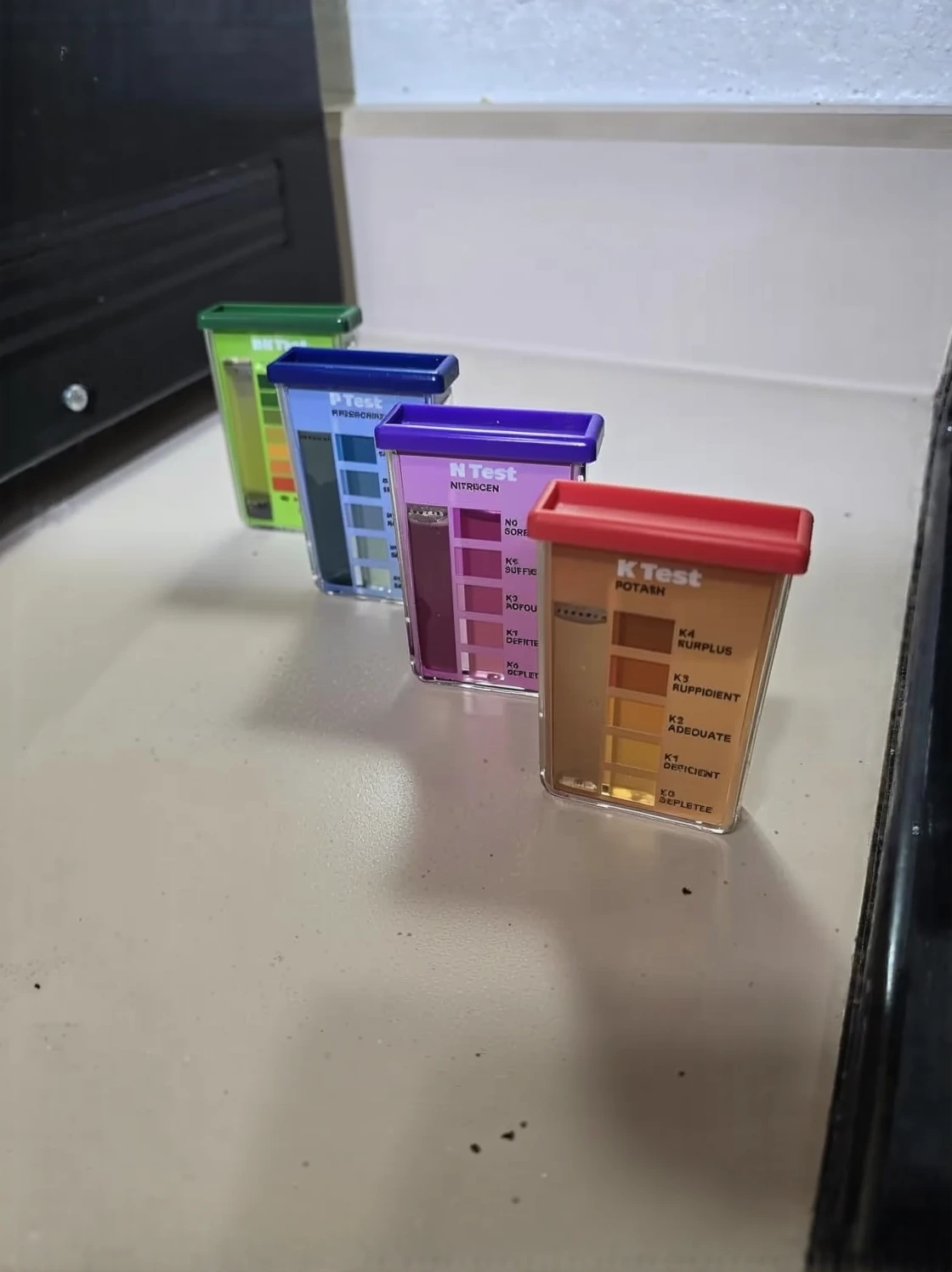
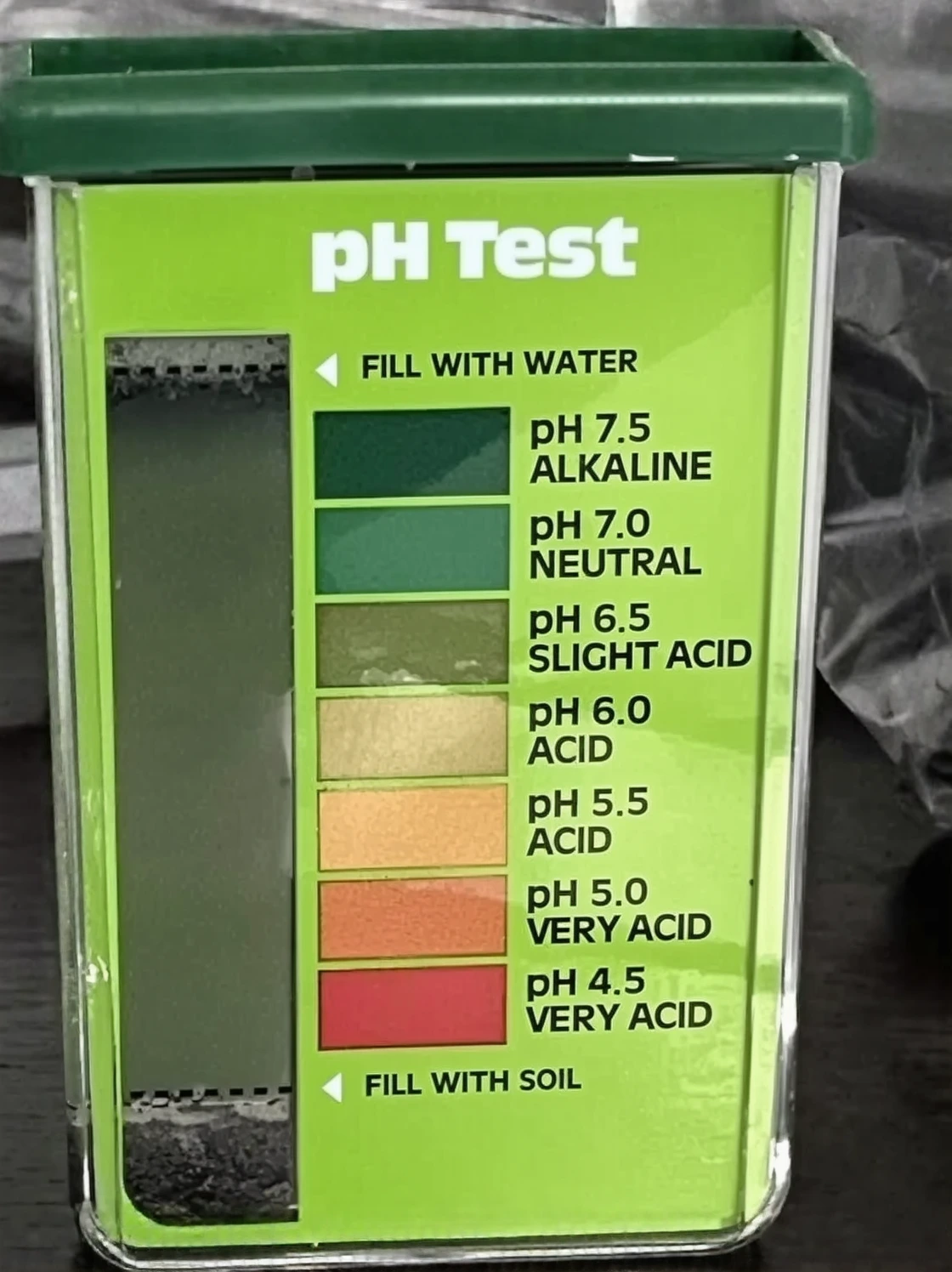
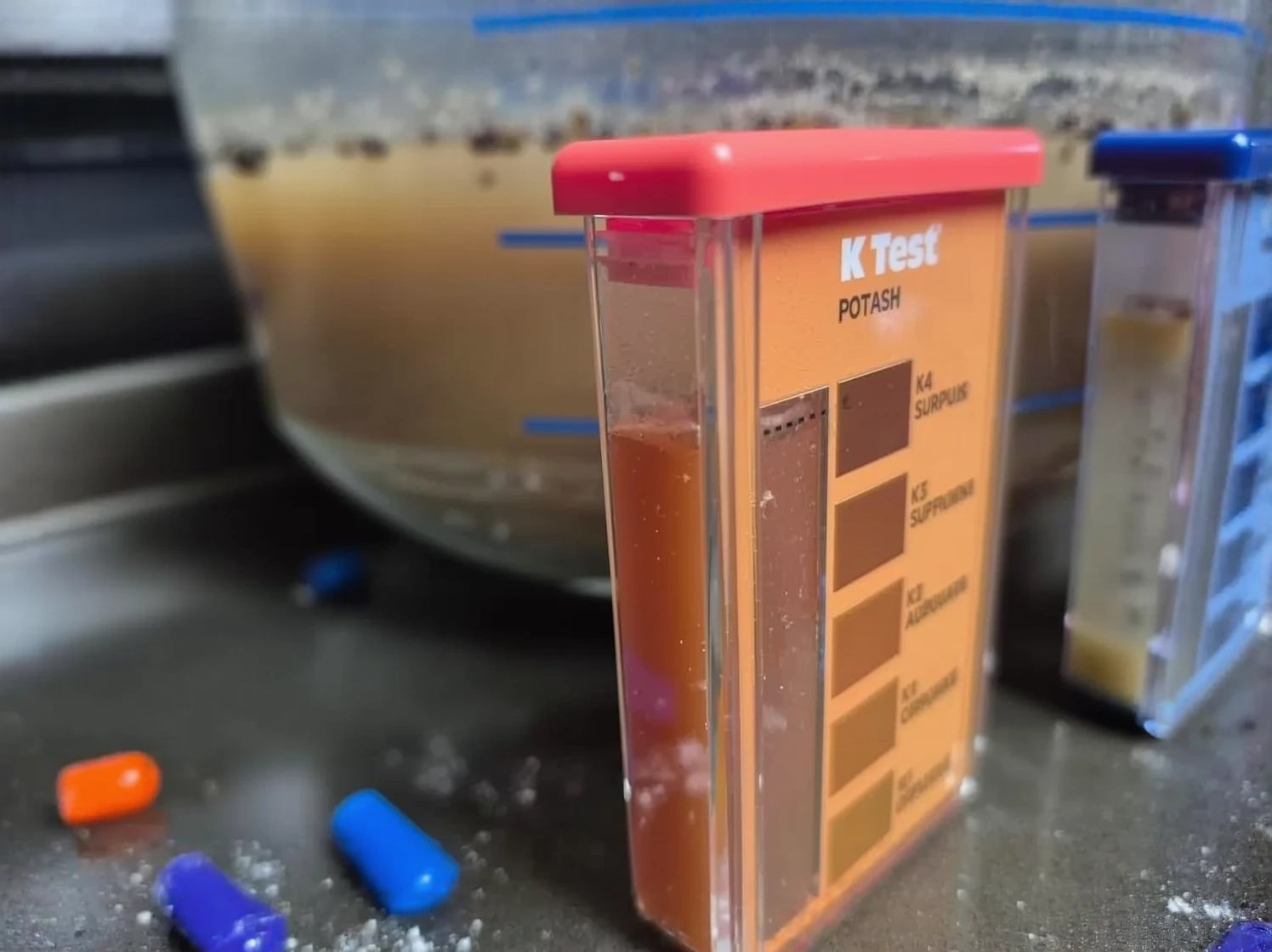
I almost trusted that “wet from rain” visual assessment on my second job until I dug deeper and realized the soil was still dry six inches down—the surface was just deceiving me. That’s when I knew I needed a repeatable way to pull honest samples from consistent depths, and that’s what the 36″ Soil Probe, Stainless Steel Soil Sampler Probe with Foot Pedal and Reusable Sample Bags does every single time.
Perc Test vs. Septic Soil Test: They Are Not the Same Thing
Almost every time someone asks me about a “septic system soil test,” what they actually need is one of two different tests — and which one their county wants decides the whole timeline. The terms get used interchangeably at kitchen tables and they absolutely should not be.
The percolation test measures a rate
A perc test answers one narrow question: how fast does water disappear from a saturated hole? You presoak, you refill, you time the drop, and you come away with a number in minutes per inch. That is the entire output. It tells you nothing about why the soil behaves that way.
The soil test looks at the soil itself
A soil test for septic — you will also see it called a soil evaluation, a soil profile test, a deep hole test, or a pit test — is a backhoe pit or hand-auger bore where a licensed soil evaluator reads the dirt directly. They are logging texture, structure, color, and especially redoximorphic features (the gray and orange mottling that betrays a seasonal water table). They record depth to restrictive layers and depth to bedrock. That profile is what actually determines whether a drainfield will work in ten years, not just on test day.
This distinction is exactly what bit me in Cherokee County. The perc rate looked fine. A soil profile would have shown the clay layer that swelled shut every wet season. Soil testing for septic catches what a stopwatch cannot.
| Perc test | Soil evaluation | |
|---|---|---|
| What it measures | Drainage speed (min/inch) | Soil texture, structure, water table, restrictive layers |
| How it is done | Timed water drop in a small hole | Backhoe pit or auger bore, read by an evaluator |
| Typical cost | $150–$450 | $300–$900 (often includes the pit) |
| Weather sensitive | Very — results swing seasonally | Much less — the profile is permanent |
| Who reads it | Tester or health department | Licensed soil scientist or evaluator |
Which one does your county actually require?
This is entirely local, and it has been shifting. A growing number of health departments have moved to soil-evaluation-primary permitting, treating percolation as supplementary or dropping it outright, because the profile predicts long-term performance far better. Others still run perc as the gate. Some want both. Call your county environmental health office before you pay anybody for anything — one phone call has saved people I know several hundred dollars in tests their county did not want.
One practical note: if you are buying land, ask whether a prior soil test for septic tank siting is already on file with the county. Evaluations often stay valid for years, and sellers frequently forget they had one done.
Sources and further reading
About This Article

Written by Joel Grayson. Rural property owner who learned septic systems the hard way after my own failed 15 years ago. I created Backyard Septic to give homeowners honest, practical guidance on septic installation, maintenance, and troubleshooting. More about this site.
Scope and limits. Joel is an experienced rural property owner, not a licensed septic inspector. Have a licensed septic professional handle pumping, permits, and any diagnosis you plan to act on — and never enter a tank.
Verify this against a primary source
Specifics change, and your situation may differ from the one described here. These are the authorities worth checking directly:
- EPA SepticSmart — septic system care, inspection intervals and failure signs
- NSF International — treatment unit and tank certification standards