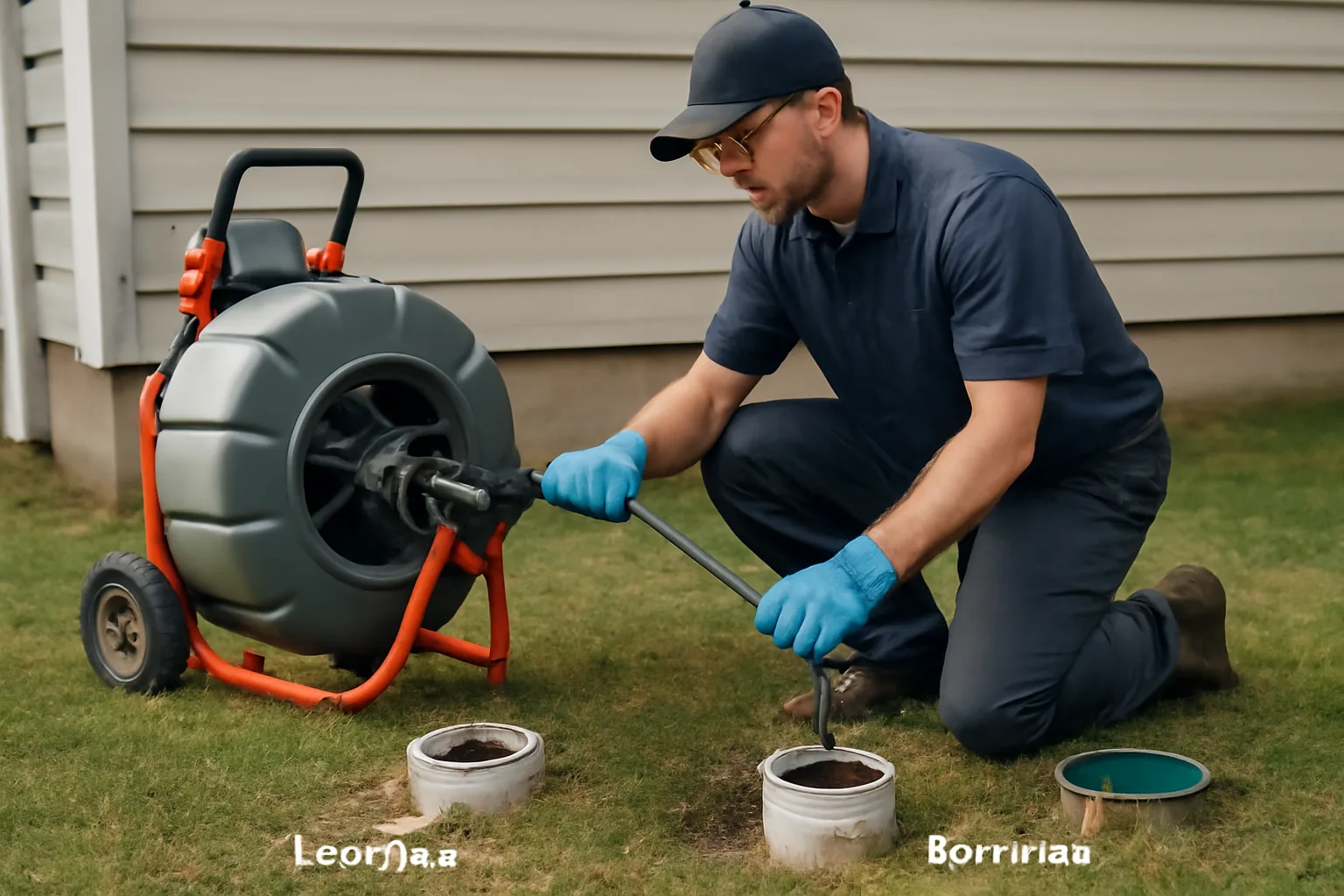

You’ll hear two pieces of conflicting advice about septic maintenance: one says a miracle additive eliminates the need for regular pumping, and the other insists you follow the EPA’s 3-to-5-year schedule religiously. The second one is correct — and the difference between believing the wrong advice and the right one can cost you hundreds, sometimes thousands, in unnecessary repair bills. The same applies to diagnosing whether your slow drains stem from a clogged pipe or a failing septic system. Get that distinction wrong, and you’ll pour money into fixes that won’t solve your actual problem.
The trouble is, both problems produce nearly identical symptoms inside your home. Slow drainage, pipe gurgling, foul odors — they all point in the same direction. Plumbers see clogs constantly, so that’s what they look for. But if your house runs on a septic system, you’re dealing with an entirely different failure mechanism that most drain specialists never consider.
Why Septic Backup vs Drain Clog Gets Misdiagnosed So Often
The reason homeowners and professionals alike mix these two problems up is straightforward: the initial warning sign looks identical. Water doesn’t move where it should. Since clogged drains are far more common in typical households, everyone defaults to that diagnosis first. On a rural septic system, though, you’re operating in a different world entirely — one with failure modes that a plumber trained in municipal sewer systems may never encounter.
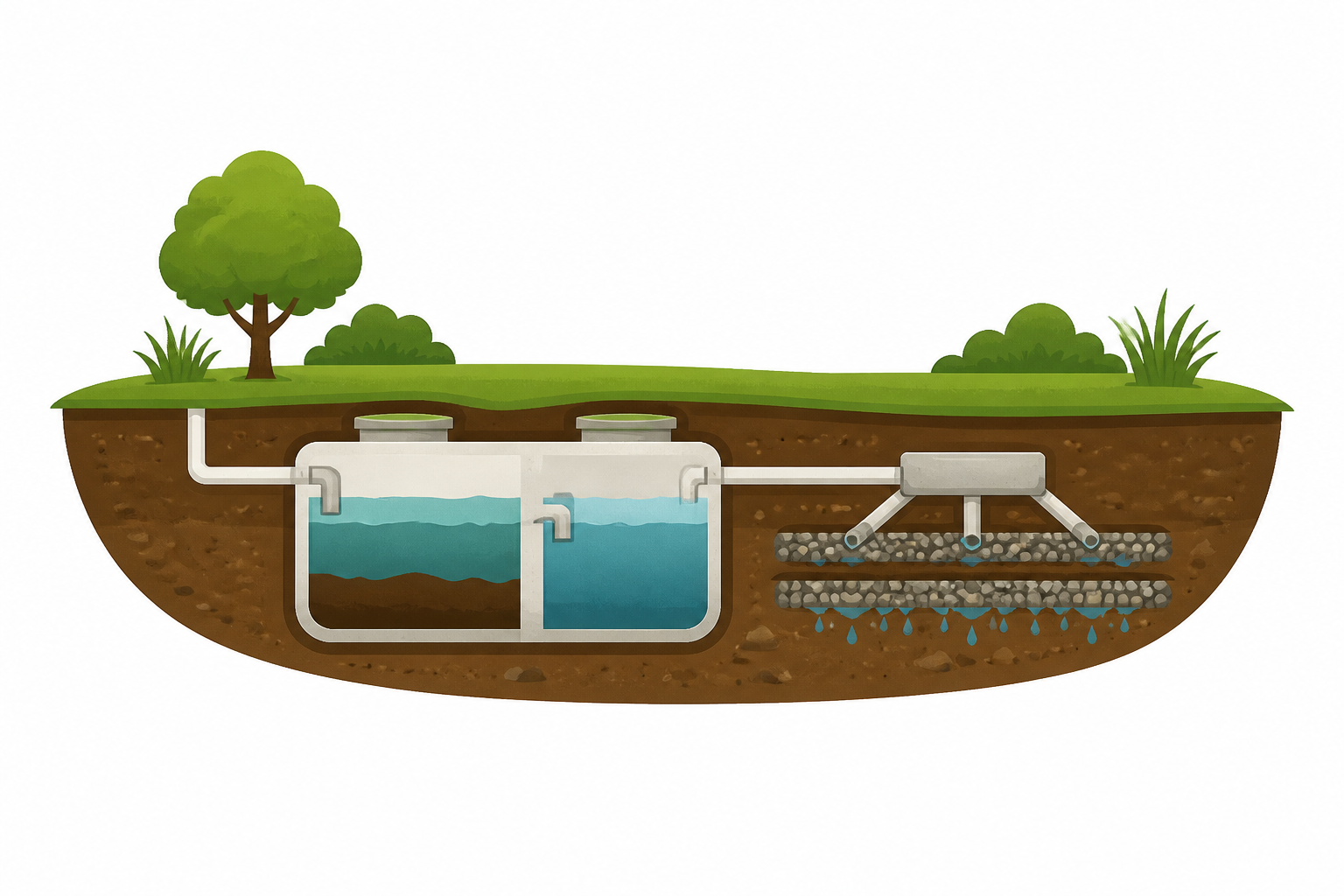
At the pipe level, a true clog means something is physically blocking the line — hair wrapped around a trap, solidified grease, or an object wedged inside. At the septic system level, a backup means the tank itself can’t discharge liquid fast enough. That could be because the drain field has become waterlogged, the tank is full to capacity, or sediment has lodged against the outlet baffle. Running a snake through your pipes does nothing to address any of those conditions.
Misidentification tends to be worst in older homes with no septic documentation and plumbing layouts that have been modified over decades. Add an uninspected tank to the mix, and you’ve got a formula for expensive trial-and-error. The way to sidestep that trap is to understand the diagnostic method before you spend money on any solution.
The Fastest Diagnostic Test: Check Multiple Fixtures
This is my go-to field method, and it requires no equipment and no more than a few minutes. Turn on your kitchen sink and observe what happens at the bathroom fixtures. Flush the toilet and listen for sound coming from the tub drain. Which fixtures respond tells you the story.
One Fixture Slow? Almost Certainly a Clog
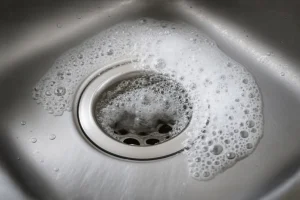
A single fixture draining slowly — the master bath vanity, for instance — indicates a blockage between that fixture and where the line meets the main stack. Your septic system is uninvolved. This is where DIY intervention makes sense, and a proper drain auger will resolve it in less than an hour.
Multiple Fixtures Backing Up? Think Septic First
The moment you see two or more low-lying drains malfunctioning at the same time — toilet, bathtub, and basement floor drain all slow or refusing to drain — you’re looking at a downstream obstruction. Especially when flushing the toilet causes water to rise in the tub, the problem lives past the convergence point of all those branch lines. In a septic setup, that points to the main lateral, the inlet baffle, or the tank chamber itself.
The woman I helped back then exhibited precisely this signature. All her low-level drains revolted simultaneously. That’s not a trap filled with hair. That’s a signal that your home’s entire drainage system is compromised at a point you can’t reach from inside the house.
Four Field Signs That Point to a True Septic Backup
Beyond the multi-fixture observation method, I use these specific markers whenever I’m evaluating whether the problem lives in the pipes or in the system itself.
- Raw sewage odor emanating from the drain field: Step outside and smell the ground above your leach field. If you detect the stench of human waste or the soil feels boggy and soft, your field is either failing or overwhelmed. A simple pipe clog produces no such yard-level symptom.
- Abnormally vibrant vegetation sprouting over the drain field: Lush, vividly green patches of grass above your leach field isn’t a sign of good gardening — it means effluent is breaching the soil surface. That indicates either system overload or field deterioration, not a blocked drain line.
- Drainage problems worsen after substantial rainfall: Drain fields rely on soil permeability. When surrounding earth becomes waterlogged from storm events, the system can’t absorb additional household effluent. If your drains noticeably slow following heavy precipitation, your system is the issue.
- Pumping service hasn’t been scheduled within the past three years: Standard guidance from the EPA calls for tank pumping on a 3-to-5-year cycle for average residential use. An unpumped tank will generate backup symptoms that mimic a pipe obstruction perfectly. Not knowing when you last had service is a major red flag.
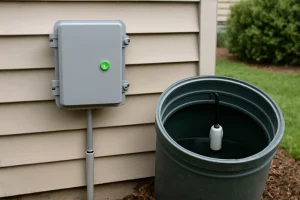
- An alarm indicator is illuminated on your pump system’s control panel: Homes with pump-assisted systems usually have a float switch wired to a visual or audio alarm. System backups typically trigger this alert. A localized line clog will not.
Over my career, I’ve documented each of these five conditions in the field. Even one standing alone is a strong indicator that septic, not plumbing, is your culprit. Two of them together, and I’m not retrieving any kind of auger — I’m reaching out to schedule the pump truck.
When It Really Is Just a Drain Clog — and How to Fix It
Here’s the encouraging part: the vast majority of the time, a slow drain in one location genuinely does point to a straightforward blockage. In my career, roughly seven out of ten calls that come in as “my septic’s backing up” resolve to isolated line obstructions. A hairball lodged in the shower trap. Kitchen grease solidified in a drainage line. A toy pushed down the toilet by a curious child. Fixable headaches — provided you’re using the appropriate equipment.
I learned this lesson painfully early on. A property owner reached out for a “septic system assessment” because his guest bathroom sink had been sluggish for two weeks. I brought my full equipment, extracted my inspection camera, and invested nearly an hour examining his tank internals and baffle integrity — everything checked out. Only after the formal inspection did I slip a basic hand auger into the sink line, advance it four feet, and withdraw a dense clump of hair and accumulated soap residue roughly the size of a baseball. I billed him for the entire inspection when a simple $40 tool would have solved his issue in minutes. He didn’t complain, but the memory stuck with me.
The Auger That Finally Broke Through When Plumbers Couldn’t
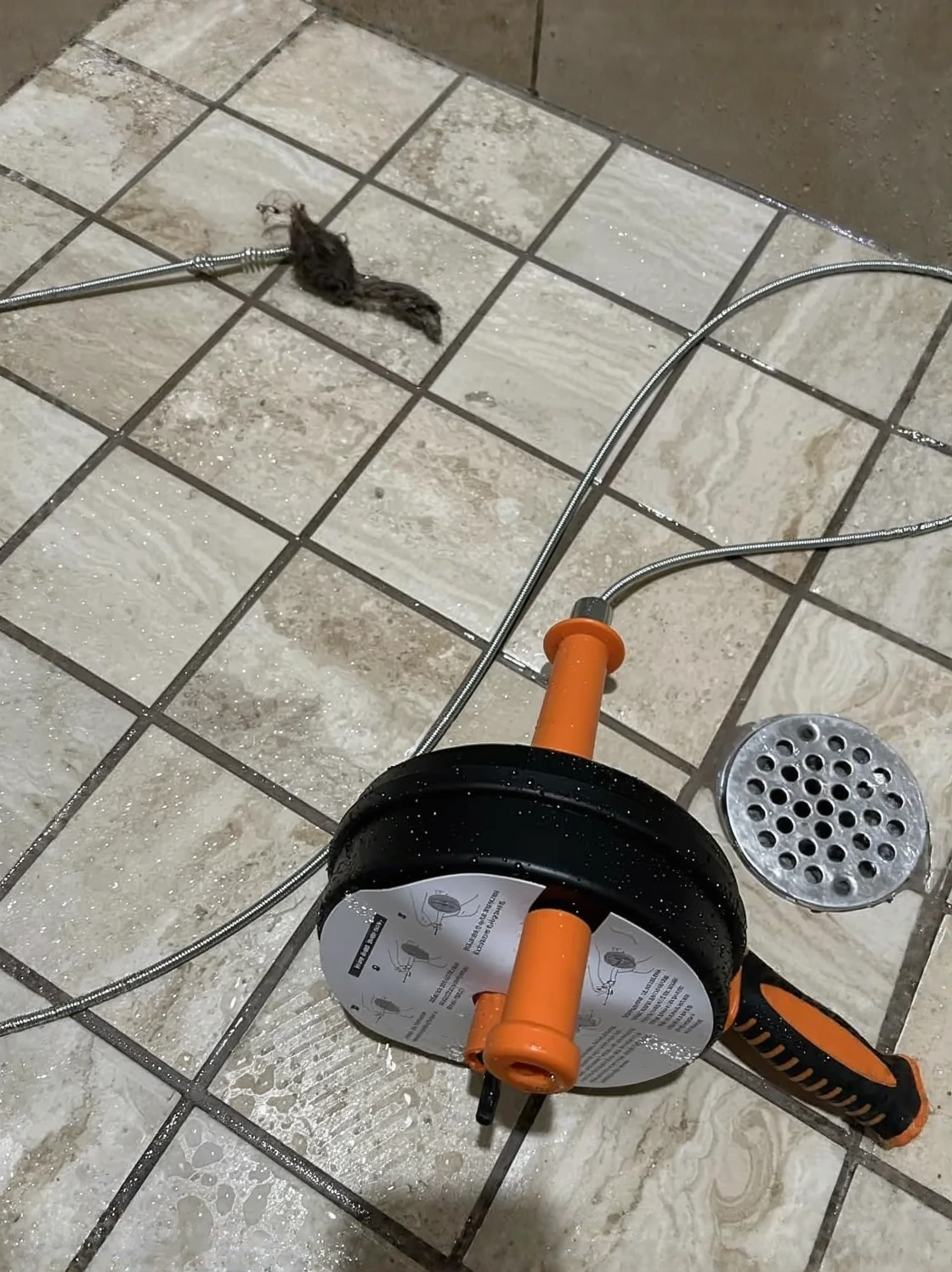
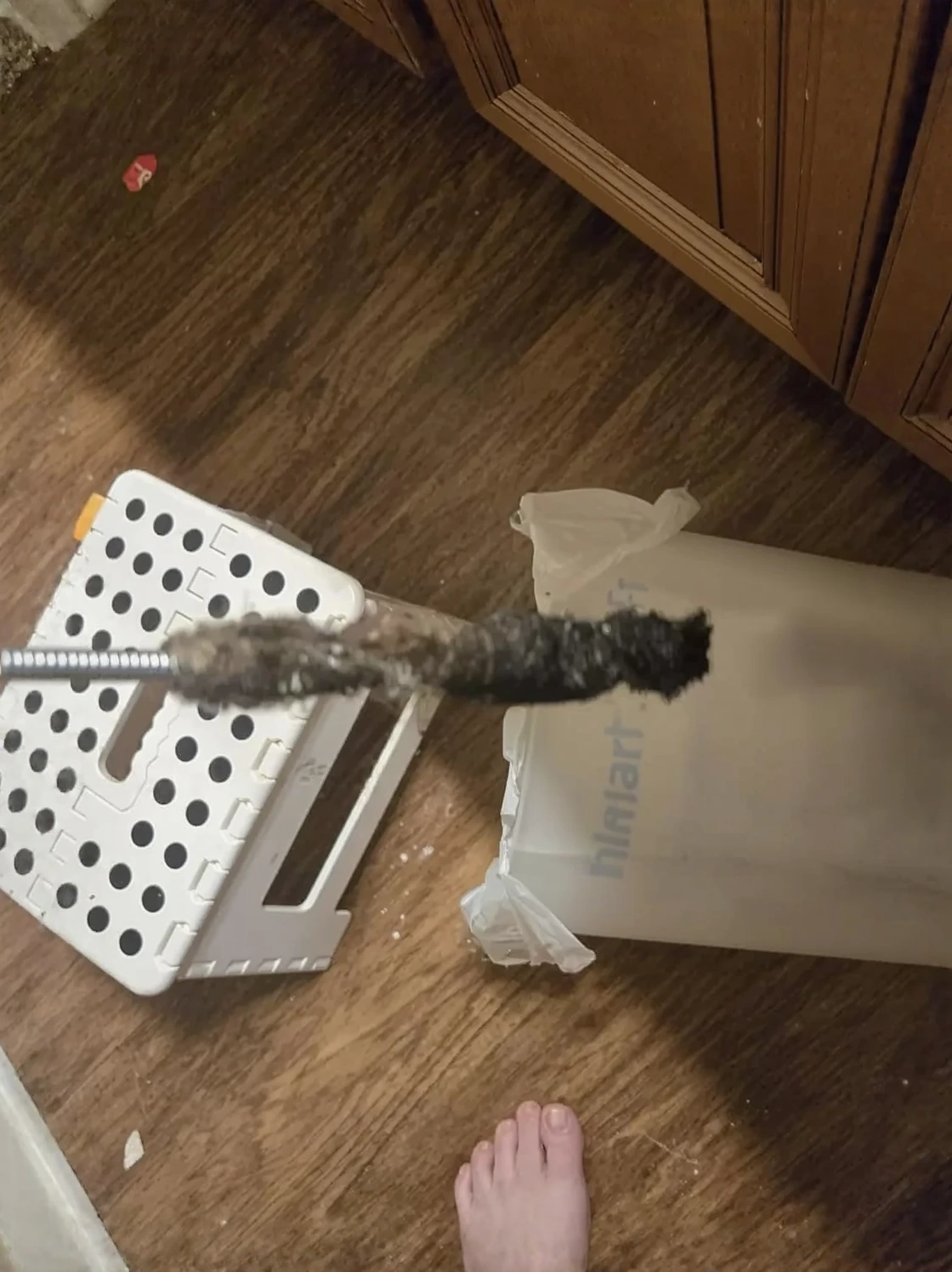
Having a dependable auger in your possession means you can verify whether a simple line obstruction is actually present before you summon expensive contractors to your property. I’ve encountered countless homeowners who received invoices for $280 or more for professional snaking when they could have tackled the job themselves using appropriate equipment.
What works
- A 25-foot length allows you to penetrate beyond the initial P-trap and well into the primary drain where the bulk of household blockages take hold—substantial enough to establish whether you’re managing a pipe blockage versus a tank backup.
- Pairing the auger with a drill attachment generates rotational speed sufficient to fracture matted hair, congealed grease, and invading root material without exhausting your arms partway through the work.
- A cable that resists kinking and breaking maintains integrity as it travels through angles and turns, essential when dealing with homes constructed before modern code standardized drain line slopes.
What doesn’t
- When an obstruction originates inside the tank chamber or tree roots have fractured the pipe’s structural integrity, mechanical augering won’t succeed—you’ll require professional excavation or pumping intervention.
- The drill-powered configuration adds size and demands you have an operating power drill at hand; working the auger manually without the drill motor becomes physically demanding and inefficient when facing resistant blockages.
I’ll admit I almost gave up the first time I rented an auger from a big-box store—the cable twisted on me within ten feet and I nearly threw it back. But this model’s flexibility and that drill adapter made the difference; I cleared a line I was sure was a septic tank failure, and saved my client thousands. Grab the Drain Auger Clog Remover with Drill Adapter — 25 Feet Flexible Plumbing Snake before you call anyone else.
This post contains affiliate links. As an Amazon Associate, I earn from qualifying purchases at no extra cost to you.
![Customer photo of [specific item/situation related to septic/clogged lines]](https://backyardseptic.com/wp-content/uploads/2026/06/B088FVNC2F-3.webp)
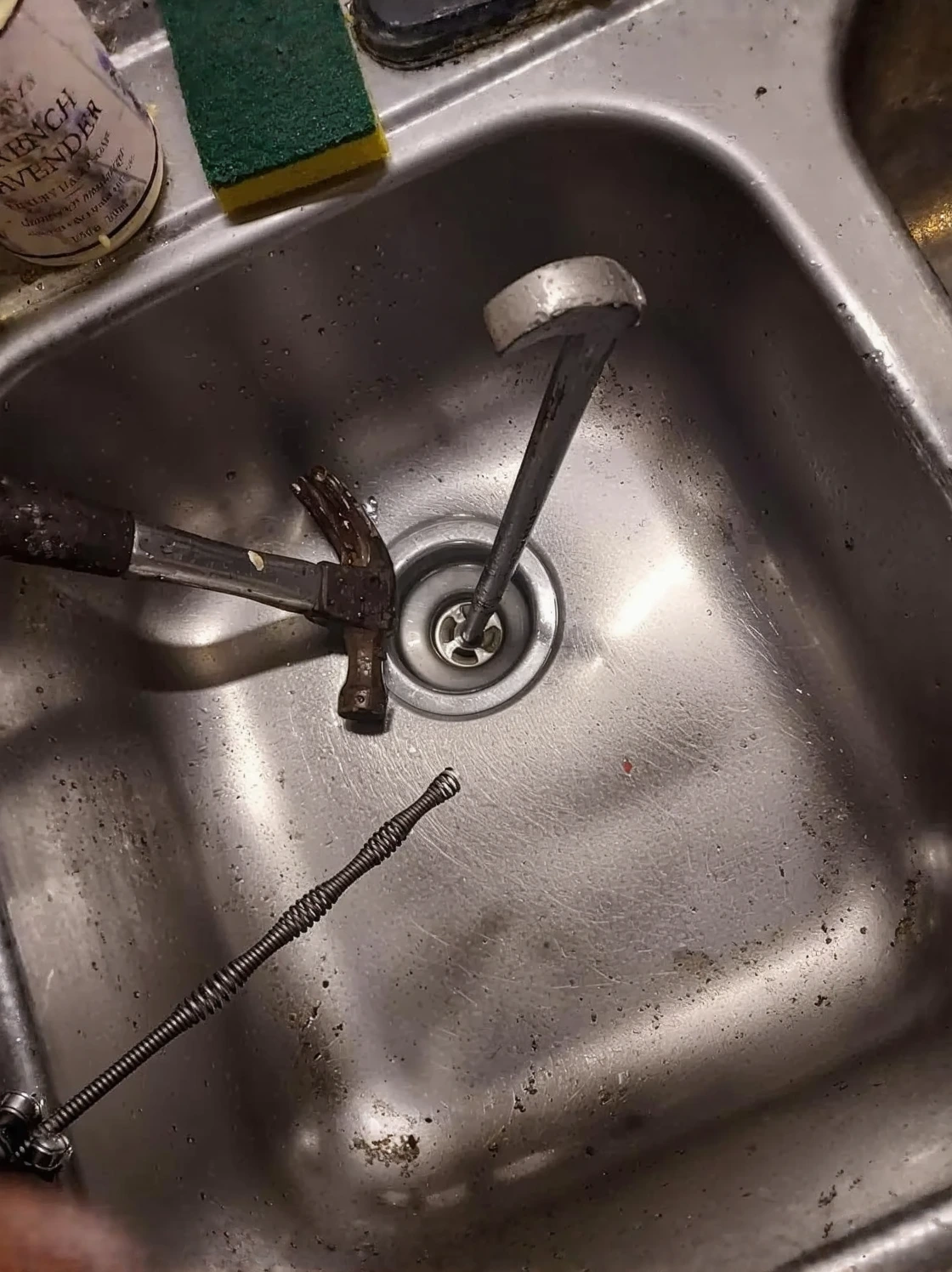
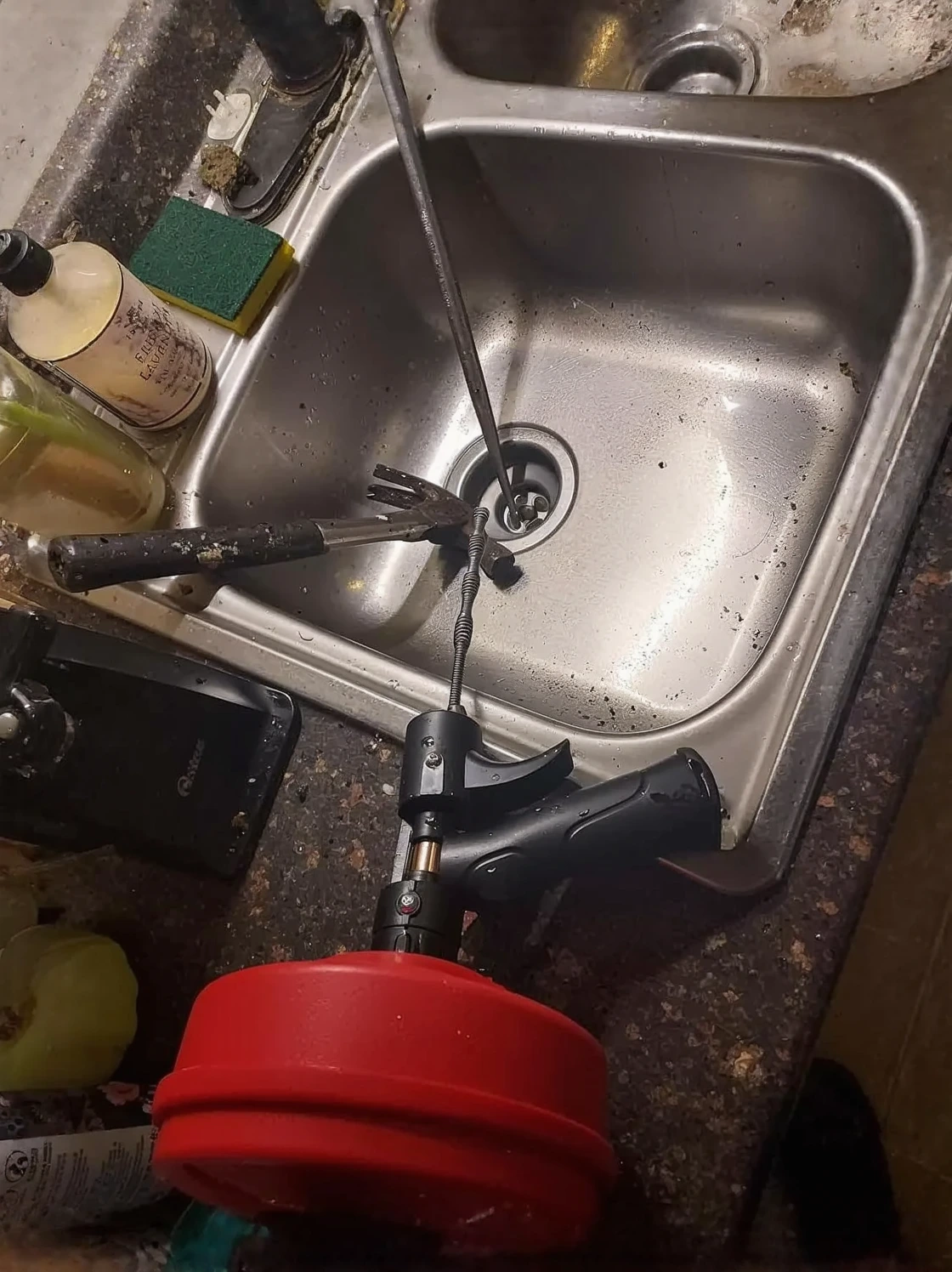
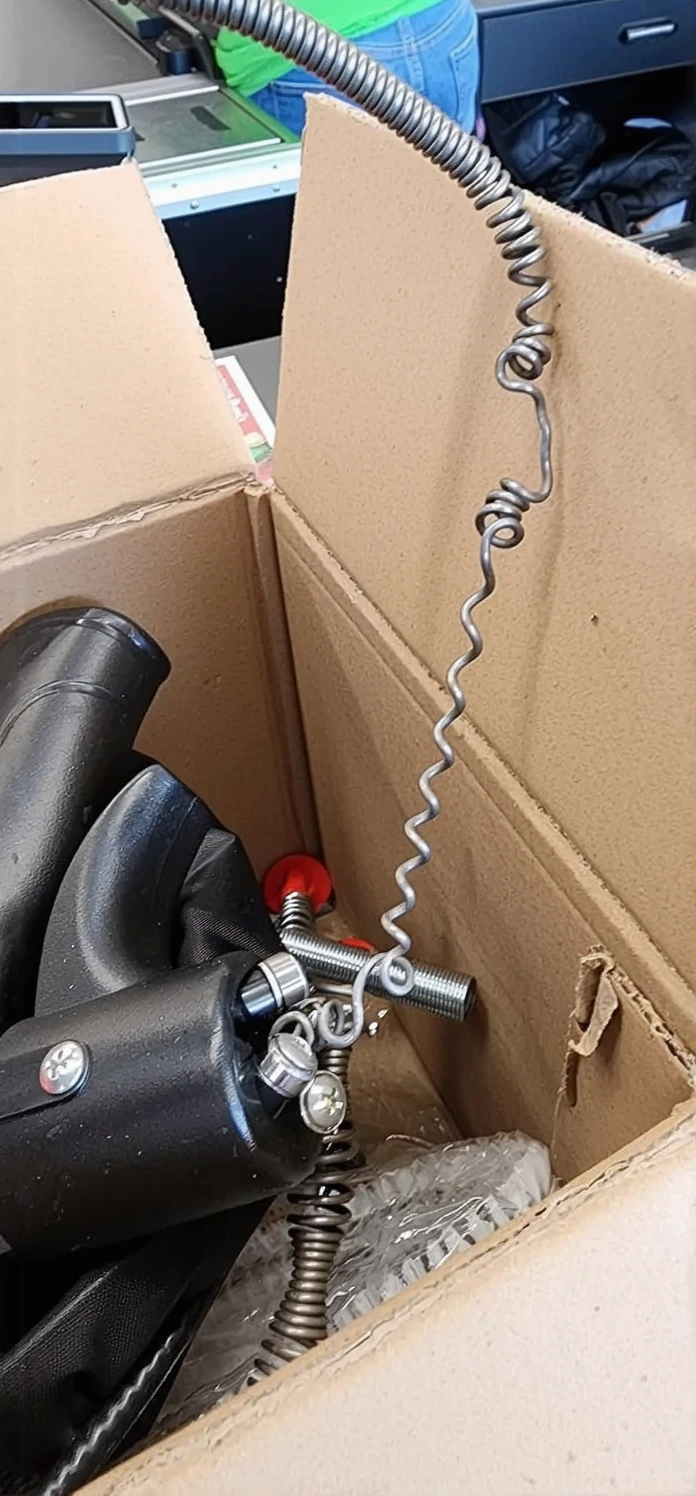
Drain Auger Clog Remover with Drill Adapter — 25 Feet
I used this to push past the trap and confirm the actual problem—clog or backup—without calling a plumber first.
Check Price on Amazon →