This post contains affiliate links. As an Amazon Associate, I earn from qualifying purchases at no extra cost to you.
If your yard smells like sewage, you already know it the second you step outside. It hits you like a wall. I’ve had homeowners call me in a panic thinking their entire system had failed overnight — and nine times out of ten, the actual yard smells like sewage causes turn out to be something far more specific and fixable than a full system collapse. That said, you should never ignore that smell. In 18 years of installing and inspecting septic systems across rural Georgia, Alabama, and the Carolinas, I’ve learned that sewage odor is your yard’s way of waving a red flag.
Last spring, I got a call from a family outside of Athens, Georgia. They’d had their tank pumped just eight months earlier and couldn’t figure out why their backyard smelled like a lift station on a hot July afternoon. Turned out the issue wasn’t their tank at all — it was a partially blocked vent stack pipe that was pushing sewer gas back down and out through the soil surface near their drain field. Thirty minutes and a simple fix later, the smell was gone. That job is exactly why I always tell people: don’t assume the worst until you’ve checked the five most likely culprits first.
In this post, I’m walking you through the five causes I check first on every service call where odor is the complaint. I’ll explain what each one means, what it looks like in the field, and what you can realistically do about it yourself — and when you need to pick up the phone and call someone like me.
Cause #1: A Blocked or Damaged Vent Stack Pipe
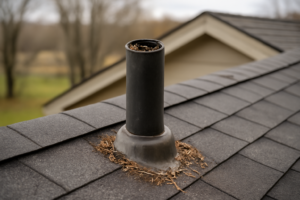
This is the first thing I check — every single time. Your septic system relies on a vent stack pipe to release sewer gases safely up and away from living areas and soil surfaces. When that pipe gets blocked by a bird’s nest, wasp colony, ice, or just years of debris buildup, the gas has nowhere to go but back down. As a result, it percolates up through your drain field or collects near your tank lid, and suddenly your backyard smells like a outhouse.
I’ve pulled nests out of 3-inch vent pipes that were packed so tight you couldn’t get a finger through them. In the rural Southeast, mud daubers and starlings are the biggest offenders. The fix sounds simple — clear the blockage — but if the pipe itself is cracked or improperly pitched, clearing it won’t solve the problem long-term. Vent pipes should terminate at least 6 inches above the roofline, and most state plumbing codes (including Georgia’s State Minimum Standard Plumbing Code) require proper termination height to prevent exactly this issue.
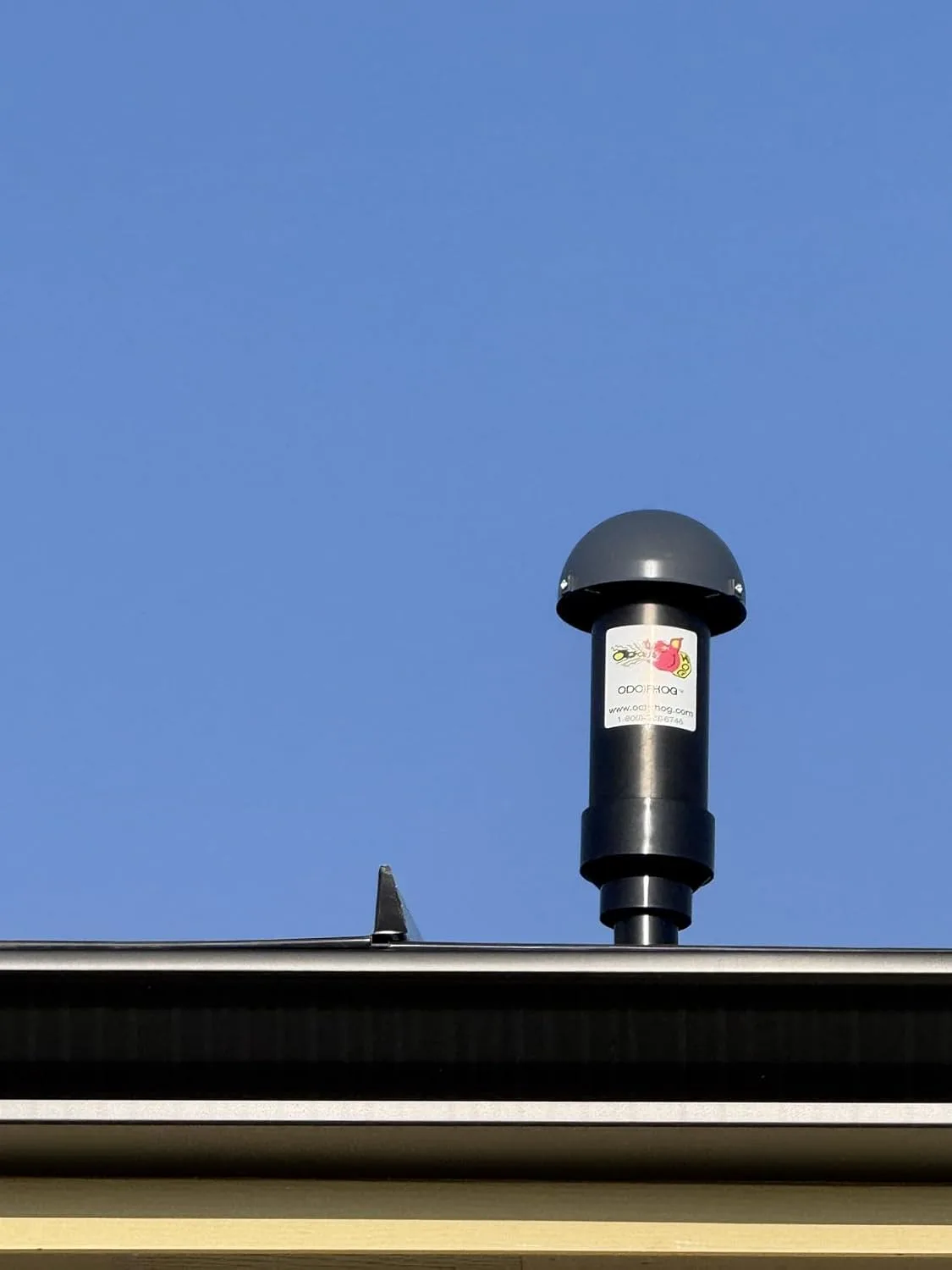
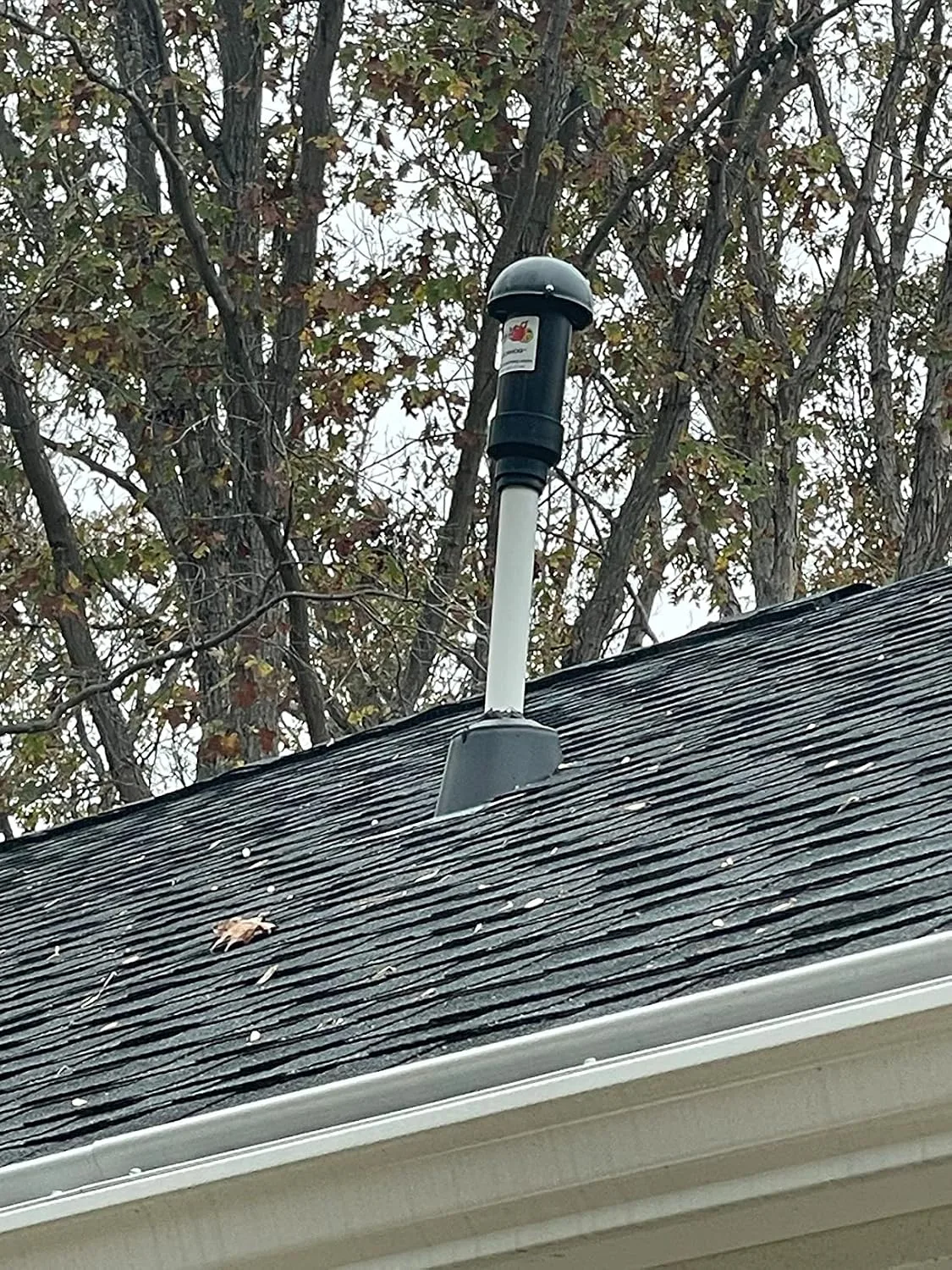
Here’s what 18 years taught me: a carbon-filter vent cap is the single most cost-effective upgrade a homeowner can make to prevent recurring odor from a vent stack. I’ve personally installed the OdorHog Vent Stack Pipe Filter (3.0-inch, Black ABS with Mushroom Cap) on dozens of systems, and it consistently outperforms every other passive solution I’ve tried. More on that in a dedicated section below.
Cause #2: A Full or Overloaded Septic Tank
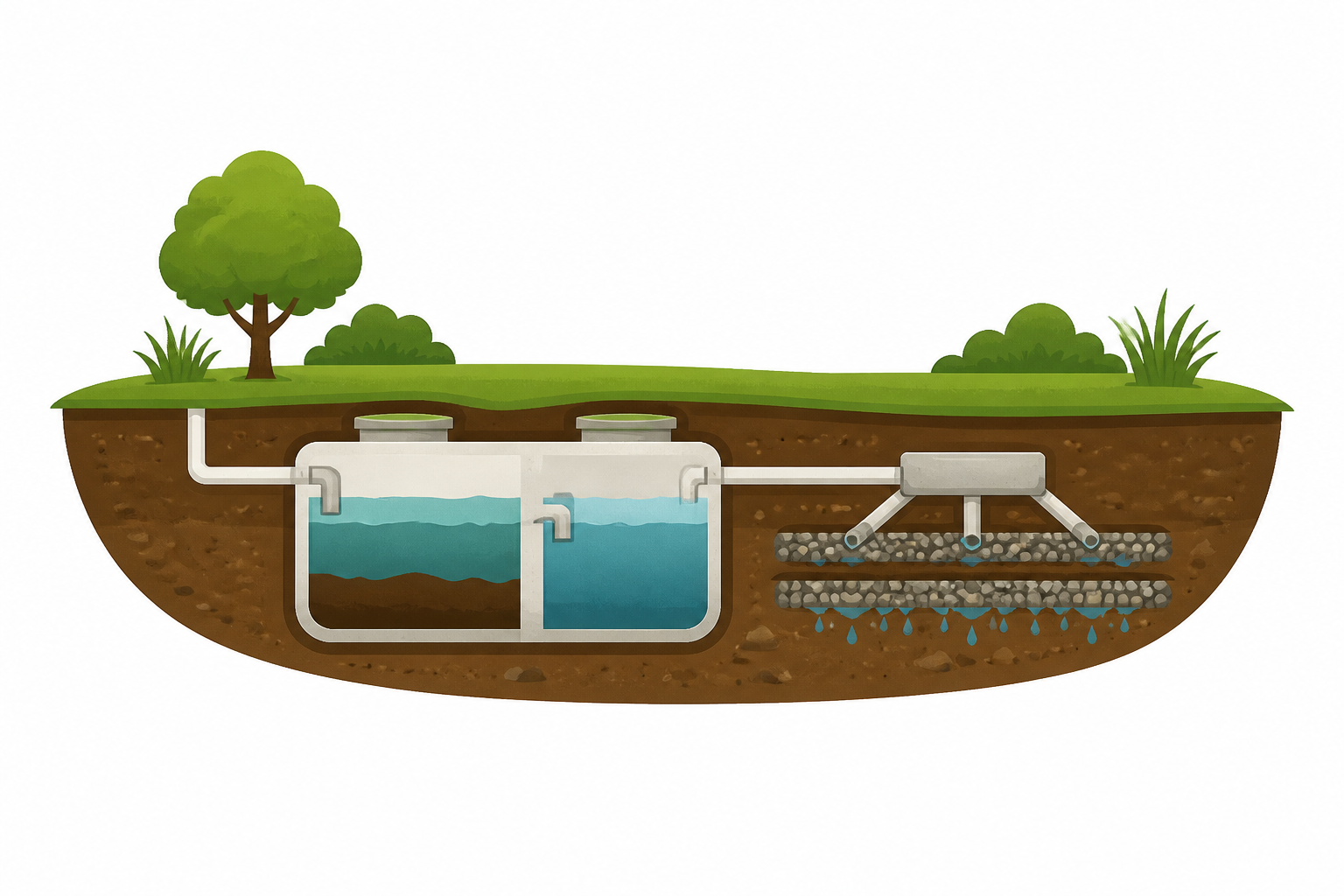
This one sounds obvious, but you’d be surprised how many people delay pumping and then wonder why their yard smells like a wastewater treatment plant. When a septic tank fills past its working capacity, solids start migrating into the drain field. Specifically, that layer of scum and sludge that’s supposed to stay in the tank starts pushing through the outlet baffle and into your leach lines. Once that happens, you get odor at the surface — and you’re on a fast track to a failed drain field.
The EPA’s Septic Smart guidelines recommend pumping every 3 to 5 years for an average household. In my experience across the Southeast, I recommend every 3 years for families of four or more, especially in areas with heavy clay soil where drain fields are already working harder than they should. A standard 1,000-gallon tank pump-out runs between $300 and $500 in most rural Southeast markets right now. That’s a bargain compared to a $15,000 drain field replacement.
I learned this the hard way — not on my own property, but on a neighbor’s. He kept telling me he’d “get around” to pumping. Three years of me reminding him, and then one wet November his drain field saturated and surfaced effluent across a 40-foot swath of his backyard. That repair cost him $9,200. A few pump-outs over those years would have cost him under $1,500 total. Don’t be that neighbor.
Cause #3: A Failing or Saturated Drain Field
A saturated drain field is one of the more serious yard smells like sewage causes I encounter on the job. When the soil in your leach field can no longer absorb effluent fast enough, liquid backs up and surfaces. You’ll often see wet, spongy grass — sometimes unusually green grass — over the drain field area. In warm weather, the odor can be overwhelming, and it doesn’t go away on its own.
Saturation happens for several reasons. Heavy rainfall is a common seasonal trigger, especially in the Southeast where we can see 4 to 6 inches of rain in a single week. However, persistent saturation usually signals a deeper problem: biomat buildup on the soil interface, crushed distribution lines, or a system that was undersized to begin with. State health department regulations — including those under most Southeast county environmental health offices — specify minimum square footage for drain fields based on soil perc rates and household size. A field that was borderline adequate at installation can become inadequate as a family grows.
If the saturation is rain-related, give the field 7 to 10 days to recover and reduce household water use aggressively in the meantime. Fix leaky faucets, shorten showers, and spread laundry loads throughout the week. If the soggy area persists after two weeks of dry weather and conservative water use, you likely need a professional assessment. This situation is beyond DIY territory.
Cause #4: Cracked or Unsealed Tank Lids and Risers
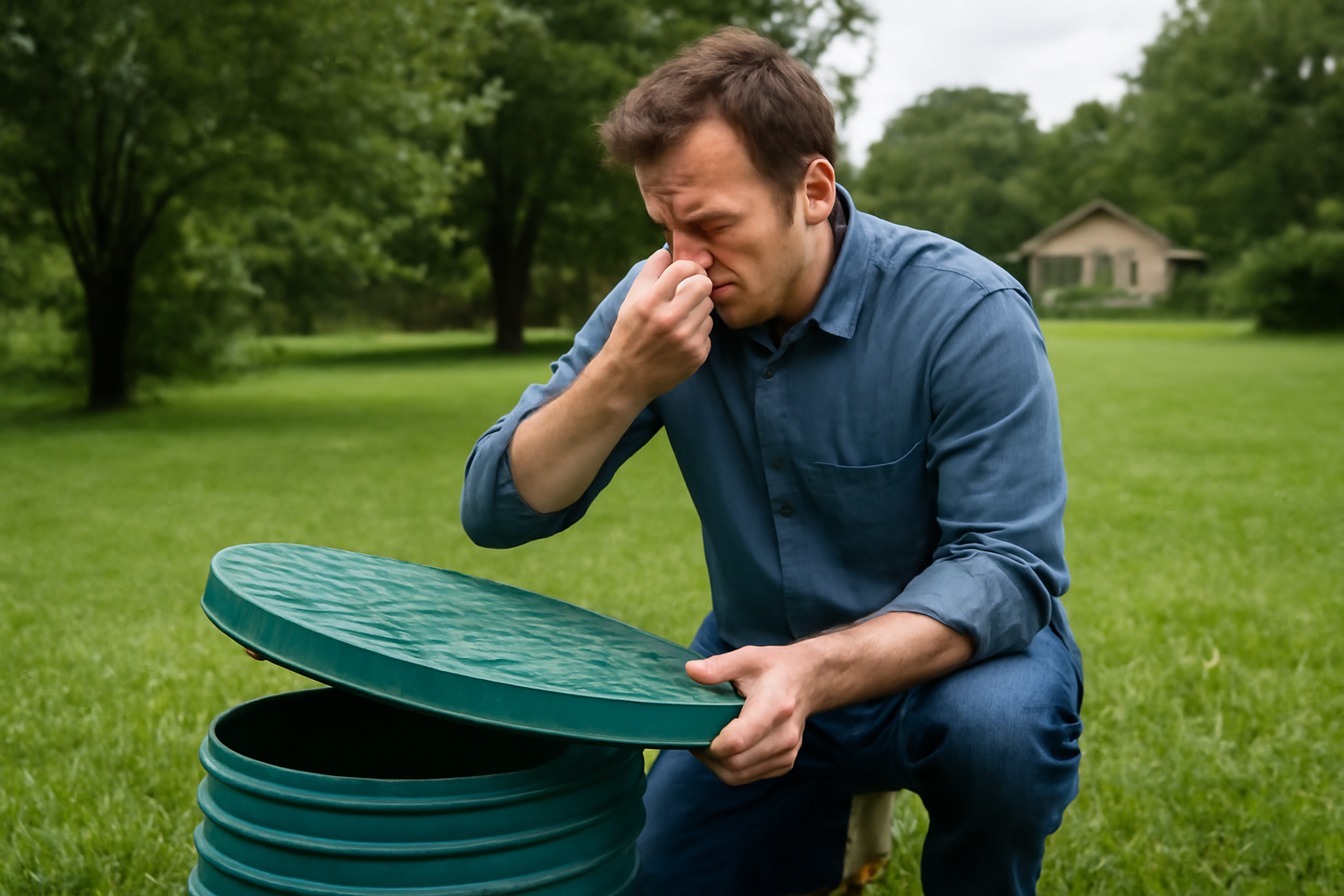
This is one I find on older systems constantly, and it’s easy to overlook because the lid looks fine from the outside. Concrete septic tank lids develop hairline cracks over time — especially after freeze-thaw cycles or when heavy equipment rolls over the yard. Those cracks vent sewer gas directly into the surrounding soil and air. If your strongest odor is concentrated in one specific spot near the tank rather than spread across the drain field, a cracked lid is high on my suspect list.
Plastic risers and lids, which became standard practice on most systems installed after the mid-1990s, are less prone to cracking but can warp or unseat over time. I’ve found lids that were sitting slightly off-center — enough to create a gap of less than half an inch — that were venting odor like a chimney. Reseating or replacing a plastic riser lid costs $50 to $150 in parts. Replacing a cracked concrete lid runs $100 to $300 depending on the size and access.
During any pump-out or inspection, I always check the lid seals. If you have a concrete tank built before 1990 and you haven’t had it inspected in the last five years, I’d make that a priority this season. Your local county health department may also require accessible risers within 6 to 12 inches of the surface as part of current sanitary codes — so upgrading is worth checking on regardless.
Cause #5: Dry P-Traps and Indoor Venting Issues Migrating Outdoors
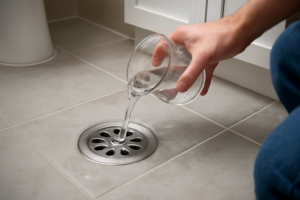
This one surprises people, but I include it because I’ve chased exterior odor complaints that turned out to originate indoors. P-traps under sinks, floor drains, and utility tubs rely on a small amount of standing water to block sewer gas from rising back into the living space. When a drain goes unused — say, a guest bathroom or a laundry room floor drain — that water evaporates. The gas escapes into the house, then finds its way outside through gaps around windows or foundation vents.
The fix is dead simple: run water down every drain in your home for 30 seconds once a month. Pour a cup of water into floor drain traps. That’s it. However, if you’re noticing the odor is stronger inside than outside, or if it appears near specific fixtures, you may have a venting problem in your drain-waste-vent (DWV) system — and that’s a plumbing call, not a septic call.
In my experience, this cause is most common in vacation homes, seasonal properties, and houses where a bathroom or utility area hasn’t been used in months. It’s also worth checking if you recently had plumbing work done, since improper venting after a remodel is something I’ve seen trip up even experienced plumbers.
The Vent Stack Filter That Actually Stops the Sewage Smell Before It Hits Your Nose
If your septic vent stack is the culprit—and it’s one of my top five checks—a simple filter can eliminate that smell before it spreads across your yard. I’ve found that most homeowners don’t even realize their vent pipe is the problem until they install one of these.
What works
- Noticeably reduces septic odors within days—I’ve had neighbors stop complaining before I finished my morning coffee the day after installation.
- The mushroom cap design keeps rain and debris out while letting gases escape, so you’re not trading one problem for a clogged vent.
- Dead simple to install on top of an existing 3-inch vent stack; no digging, no system shutdown, no emergency calls to a pumper.
What doesn’t
- It’s a band-aid on a symptom, not a cure—if your tank is failing or your drain field is saturated, this won’t fix the root cause.
- The filter media eventually gets clogged with hydrogen sulfide buildup and needs replacing every 1–2 years depending on your system’s load.
I’ll admit I was skeptical the first time I tried one—I thought it would just mask the problem and I’d miss a real warning sign. But after I realized the smell was purely from gas escaping the vent and not from a tank leak or failed drainfield, this filter became my go-to first move. Grab the OdorHog Vent Stack Pipe Filter (3.0-inch, Black ABS with Mushroom Cap) and see if it solves your problem in a weekend.
This post contains affiliate links. As an Amazon Associate, I earn from qualifying purchases at no extra cost to you.