Most homeowners don’t think about their septic system until something goes wrong — and by then, it’s already a $5,000 problem. I’ve walked into basements where sewage was creeping across the floor while the family was upstairs watching TV, completely unaware. Every single one of those calls had one thing in common: no septic alarm system. Understanding septic alarm system how it works isn’t just useful knowledge — it’s the difference between a quick pump-out and a full system replacement. I’ve spent 15 years inspecting and consulting on rural septic systems across three states, and I can tell you with absolute certainty: a properly installed alarm is the single best investment a septic owner can make.
The misconception I hear constantly is that alarms are only necessary for “fancy” systems — aerobic units, mound systems, or systems with pumps. That’s wrong. Any system with a pump tank, dosing chamber, or lift station needs an alarm. Even some conventional gravity systems benefit from one. The alarm isn’t a luxury feature. It’s a warning system that buys you 12 to 48 hours before a small issue becomes a catastrophic backup.
In this post, I’m going to break down exactly how these alarms work, what triggers them, how to test them, and which unit I personally recommend after years of field experience. Let’s get into it.
Septic Alarm System How It Works: The Basic Mechanics
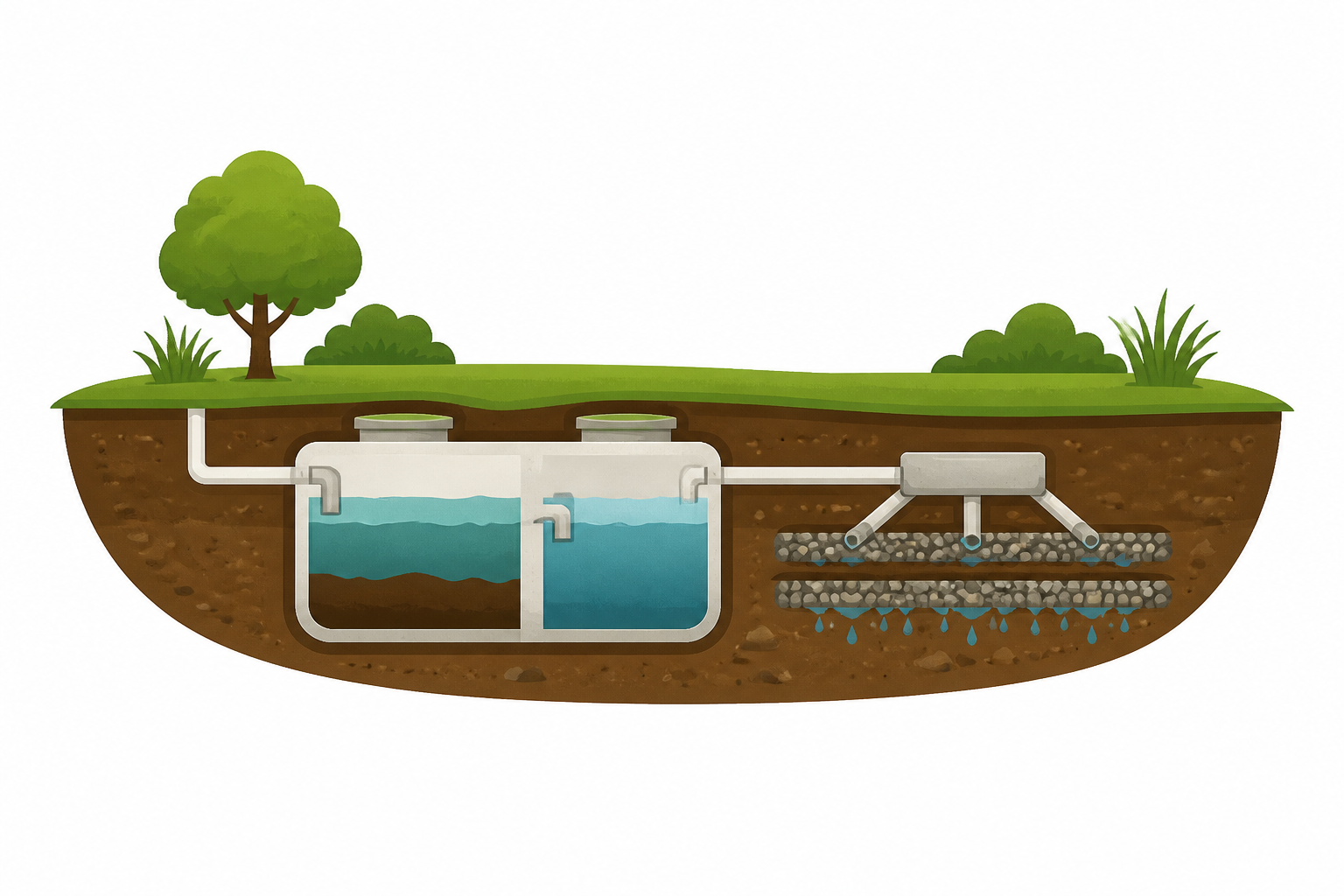
A septic alarm system monitors the water level inside your pump tank or dosing chamber. That’s the core function. Inside the tank, a float switch is suspended at a specific depth — typically 2 to 4 inches above the pump’s “on” float. When wastewater rises above that point, the float triggers an audible alarm and often a visual indicator, usually a red light.
Here’s why that matters. Your pump is designed to activate at a set level and move effluent to the drain field or next treatment stage. If the pump fails, clogs, or trips a breaker, liquid keeps rising. The alarm float sits above the pump’s normal operating range precisely to catch this situation. You get warned before the tank overflows. That warning window — usually 12 to 48 hours depending on household usage — is your chance to call a pumper or electrician before sewage backs up into the house.
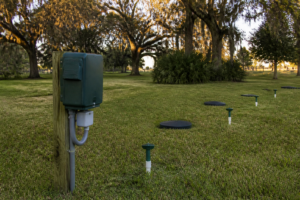
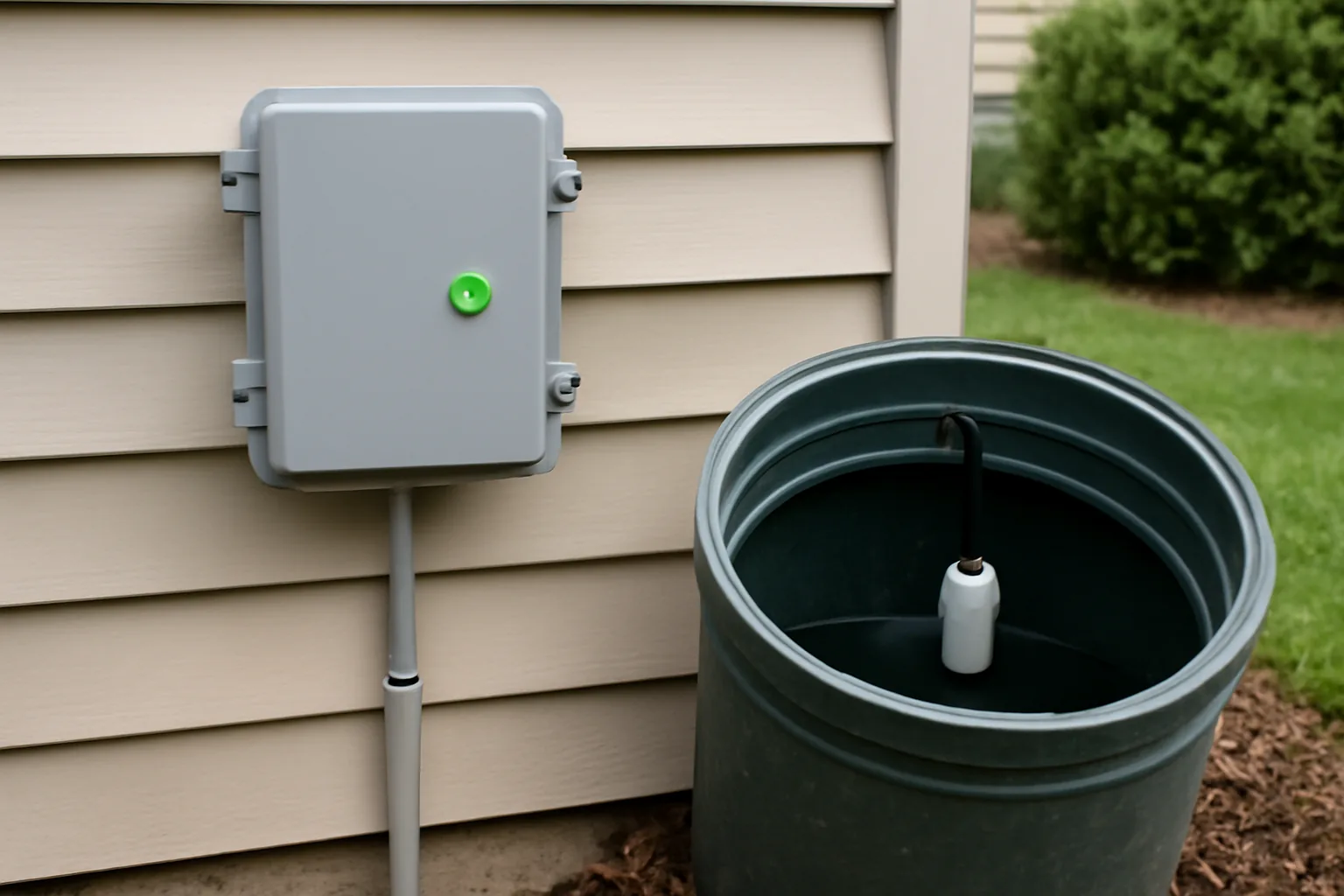
The alarm panel itself is typically wall-mounted indoors, within earshot of the living space. It connects to the float via a low-voltage wire run through conduit from the tank. Most units run on 120V AC household current. Some include a battery backup. The panel produces an audible alert — usually 85 to 95 decibels — and a flashing or solid red light. That combination is intentional. Sound wakes you up. Light tells you at a glance what system triggered the alert.
What Actually Triggers a Septic Alarm
This is where I see a lot of confusion. Homeowners assume the alarm means the tank is full. Sometimes that’s true, but not always. In my experience, the most common triggers are pump failure, float malfunction, tripped breakers, and high water events from heavy rainfall infiltrating the system.
Last spring, I had a client outside Knoxville whose alarm went off after three consecutive days of heavy rain. Her system was 12 years old with minor groundwater infiltration around aging tank lids. The pump was working fine, but inflow was outpacing output. That’s a different fix than a dead pump — and knowing the difference saves money. I pulled up the panel, confirmed the pump was running, and we scheduled a lid reseal and lid replacement within the week. Total cost: around $400. Compare that to a backup cleanup, which can run $3,000 to $8,000 depending on the extent of contamination.
Other common triggers include a stuck float — either the alarm float or the pump float — and electrical issues at the control panel. Occasionally a float gets coated in grease or debris and stops rising properly. That’s why regular inspection matters. I recommend homeowners visually check their accessible floats at least once a year, ideally during the annual pump-out inspection.
The “Silence” Button Is Not the “Fix” Button
I have to say this clearly: pressing the silence or mute button on your alarm panel does not fix the underlying problem. It only silences the audible alert. The red light should stay on. If it doesn’t, your panel may be malfunctioning. I’ve visited homes where the alarm had been silenced for weeks. The family thought everything was fine. The pump had failed 10 days earlier. That’s how you end up with a saturated drain field and a $15,000 replacement bill.
When that alarm goes off, silence it — yes. But then take action within 24 hours. Reduce water use immediately. No laundry, no long showers, no dishwasher. Then call a professional.
Float Placement and Installation Standards
Proper float placement is critical, and it’s an area where I’ve seen a lot of DIY installs go sideways. The alarm float should be set 2 to 4 inches above the “pump on” float. This gives the system enough buffer to detect a pump failure before the tank reaches capacity. If the alarm float is set too high, you lose warning time. Too low, and you’ll get nuisance alarms every pump cycle.
Most state codes reference the alarm requirement for pump systems. In Tennessee, for example, the Department of Environment and Conservation requires audible and visual alarms on all pump tank systems under Rule 0400-48-01. Similar requirements exist in Wisconsin’s SPS 383, Minnesota’s Chapter 7080, and most other states with modern septic codes. If your system has a pump and no alarm, you may actually be out of compliance — and that can complicate a property sale.
The alarm panel should be installed inside a conditioned space — not in an unheated garage or shed. You need to hear it. The wire run from the tank to the panel should be protected by conduit, typically 1/2-inch PVC, and should enter the tank through a sealed penetration. I’ve learned this the hard way: on one early install, I didn’t seal the conduit entry point properly. Groundwater wicked up the wire and caused corrosion at the float connector within 18 months. Now I use waterproof wire nuts and seal every penetration with hydraulic cement.
How to Test Your Septic Alarm
Testing is simple and takes under five minutes. Most panels have a built-in test button. Press and hold it — the alarm should sound and the red light should activate within two seconds. Release it, and both should stop. That confirms the panel and audible device are functional.
However, that test doesn’t confirm the float is working. For a full test, you need to physically lift the alarm float in the tank. With the panel powered on, lift the float upward until it triggers — you should hear the alarm within seconds. Lower it, and the alarm should reset. On systems with auto-reset panels, this happens automatically. On manual-reset units, you’ll need to press the reset button at the panel after the float drops back down.
I recommend testing the full system — panel and float — every six months. Write the date on a piece of tape stuck to the inside of the panel cover. It’s a simple habit that takes less time than checking your smoke detectors. Specifically, test in spring and fall when you’re already doing seasonal maintenance on the property.
The Alarm That Actually Woke Me Up to a Problem—Before It Became a Disaster
A septic alarm only works if you actually know when your tank is getting full. The SJE-Rhombus Tank Alert XT sits inside your tank and screams the moment the water level climbs into the danger zone—giving you days or weeks to schedule a pump-out instead of hours to call an emergency service.
What works
- The float switch trips reliably when solids actually start backing up—not on false alarms from normal use or rain.
- The audible alarm (or light, depending on your setup) gives you immediate, unmistakable warning instead of relying on smell or sump water to figure out something’s wrong.
- Installation took me under an hour through the existing access port—no tank excavation needed, and it works with most standard tank configurations.
What doesn’t
- If your alarm outlet isn’t nearby or wired properly, you might not hear it when you’re inside the house during winter.
- It’s a warning system only—it tells you when to pump, but it doesn’t fix drain field failure or crushed pipes on its own.
I was skeptical the first month, half-expecting a false alarm every other week, but after three trouble-free months I realized this thing was actually catching real problems. When that alarm finally went off, I felt oddly grateful instead of panicked. Grab the SJE-Rhombus Tank Alert XT and stop wondering if your next load of laundry is the one that tips everything over.
This post contains affiliate links. As an Amazon Associate, I earn from qualifying purchases at no extra cost to you.