Tree roots septic line prevention is one of the most overlooked parts of rural property maintenance — until it isn’t. I’ve pulled apart more than a few septic systems where the homeowner swore the trees were “nowhere near the lines.” Then we’d dig up a 4-inch PVC pipe completely choked with a mat of fine root fibers, and the look on their face told me everything. They had no idea the damage was happening silently underground for years. By the time the toilet starts backing up, you’re already looking at a $3,000 to $8,000 repair bill. Sometimes more.
In 15 years of inspecting septic systems across rural properties, I’ve seen roots from silver maples, willows, oaks, and even ornamental cherry trees infiltrate pipes from 40 feet away. Roots don’t care about your landscaping plan. They follow moisture and nutrients — and your septic line is essentially a buffet. That slow seep around every joint? Roots sense that from incredible distances. Once they find a way in, they don’t stop.
The good news is that prevention is genuinely achievable. It doesn’t require ripping out your landscaping or hiring a crew every season. With the right approach — some basic knowledge, smart planting, and physical barriers — you can protect your system for decades. This post covers exactly how I recommend doing that, based on real field experience and the mistakes I’ve seen (and made) along the way.
Why Tree Roots Target Septic Lines in the First Place
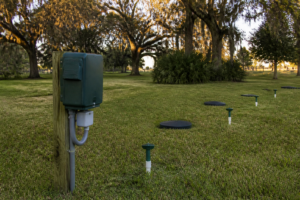
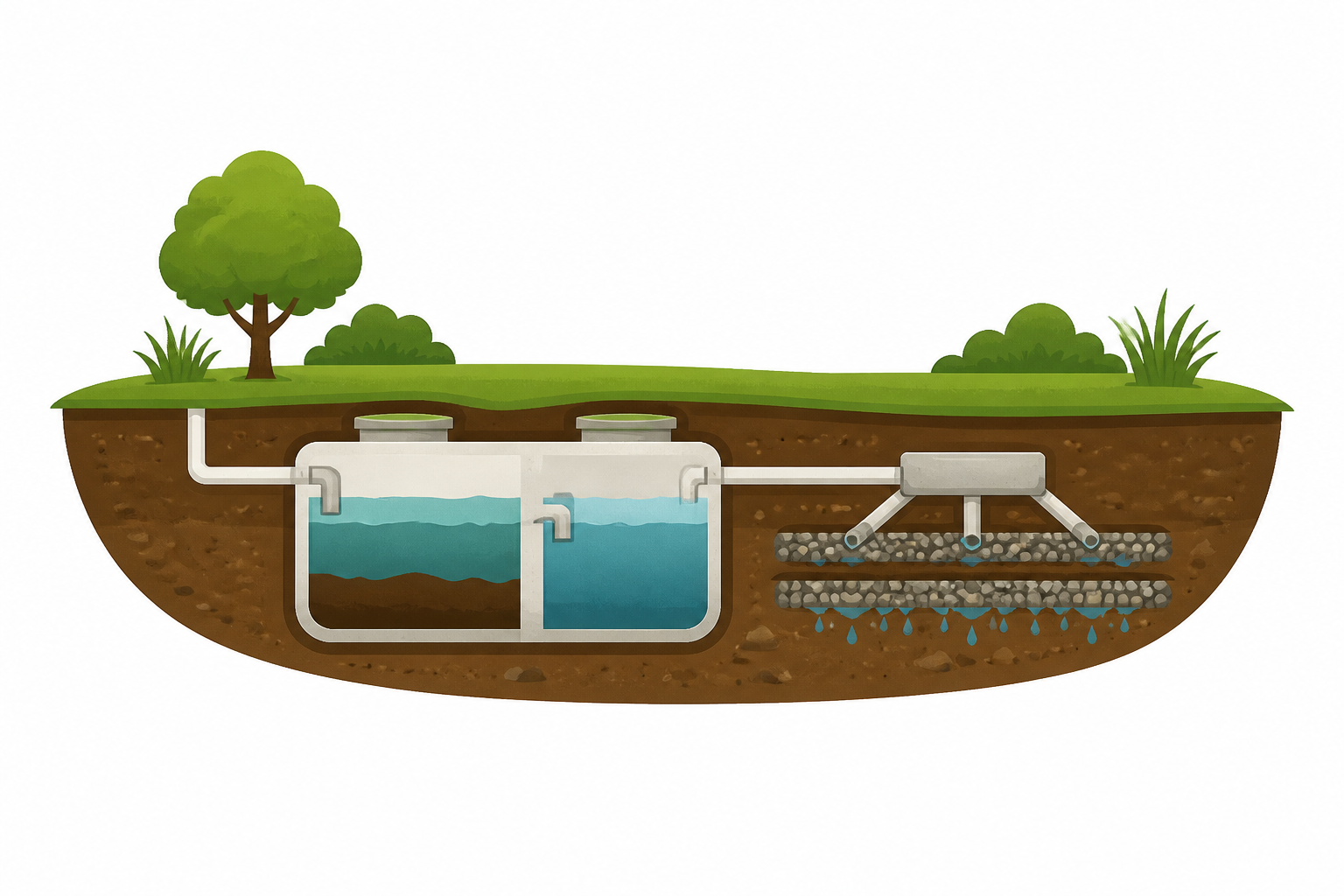
Understanding root behavior is the first step. Roots aren’t randomly wandering underground. They are actively seeking three things: water, oxygen, and nutrients. Your septic system provides all three in abundance. Lateral lines in a drain field release treated effluent into the surrounding soil. That warm, nutrient-rich moisture creates a gradient that roots can detect and follow. Even a hairline crack in a pipe joint is enough of an entry point.
Once inside, roots don’t stay small. A thread-thin root that enters a 3-inch gap in a PVC coupling will grow. Over two to three years, it branches and expands into a dense mass that blocks flow entirely. I’ve removed root clogs that looked like a compressed bale of hay jammed inside a 4-inch pipe. That’s not an exaggeration. The pipe itself often stays intact — it’s the joints and any pre-existing cracks that are the entry points.
The trees most commonly responsible in my experience are willows, silver maples, poplars, and cottonwoods. These species have aggressive, fast-growing root systems. However, don’t assume “safer” trees like oaks or ornamental maples are harmless. I’ve seen oak roots travel 35 feet to reach a drain field. The risk depends on species, soil type, water table depth, and how dry the surrounding soil gets in summer. That said, any tree within 30 feet of your septic components deserves attention.
Safe Planting Distances: The Numbers That Actually Matter
Most state extension programs and septic codes reference minimum setback distances for plantings. The general standard I work from — and what most state health department guidelines align with — is a minimum of 10 feet from septic tanks and 20 to 30 feet from drain field laterals for small shrubs and ground cover. For large trees, that number jumps to 50 feet or more. Willows and poplars? I recommend 100 feet as a hard minimum. That sounds extreme until you’ve seen what they do.
Last spring, I had a client in central Oregon who had planted a row of weeping willows along her fence line for privacy. Beautiful trees. The fence was about 22 feet from the edge of her drain field. Within six years, her system was completely compromised. We found root intrusion in all four lateral lines. The remediation cost her just over $6,400, including new distribution boxes and partial lateral replacement. The trees cost her maybe $80 at a nursery.
For practical guidance, here’s how I categorize plantings near septic systems:
- Safe zone (within 10 feet of any component): Grass only — turf grass has shallow, fine roots and actually helps with evapotranspiration in drain fields.
- Caution zone (10–30 feet): Low-growing perennials, annuals, and shallow-rooted ground covers. No shrubs with woody root systems.
- Buffer zone (30–50 feet): Small ornamental trees and large shrubs, provided they are non-invasive species.
- Large trees: Minimum 50 feet from all components, 100 feet for high-risk species.
Physical Barriers: The Most Reliable Tree Roots Septic Line Prevention Method
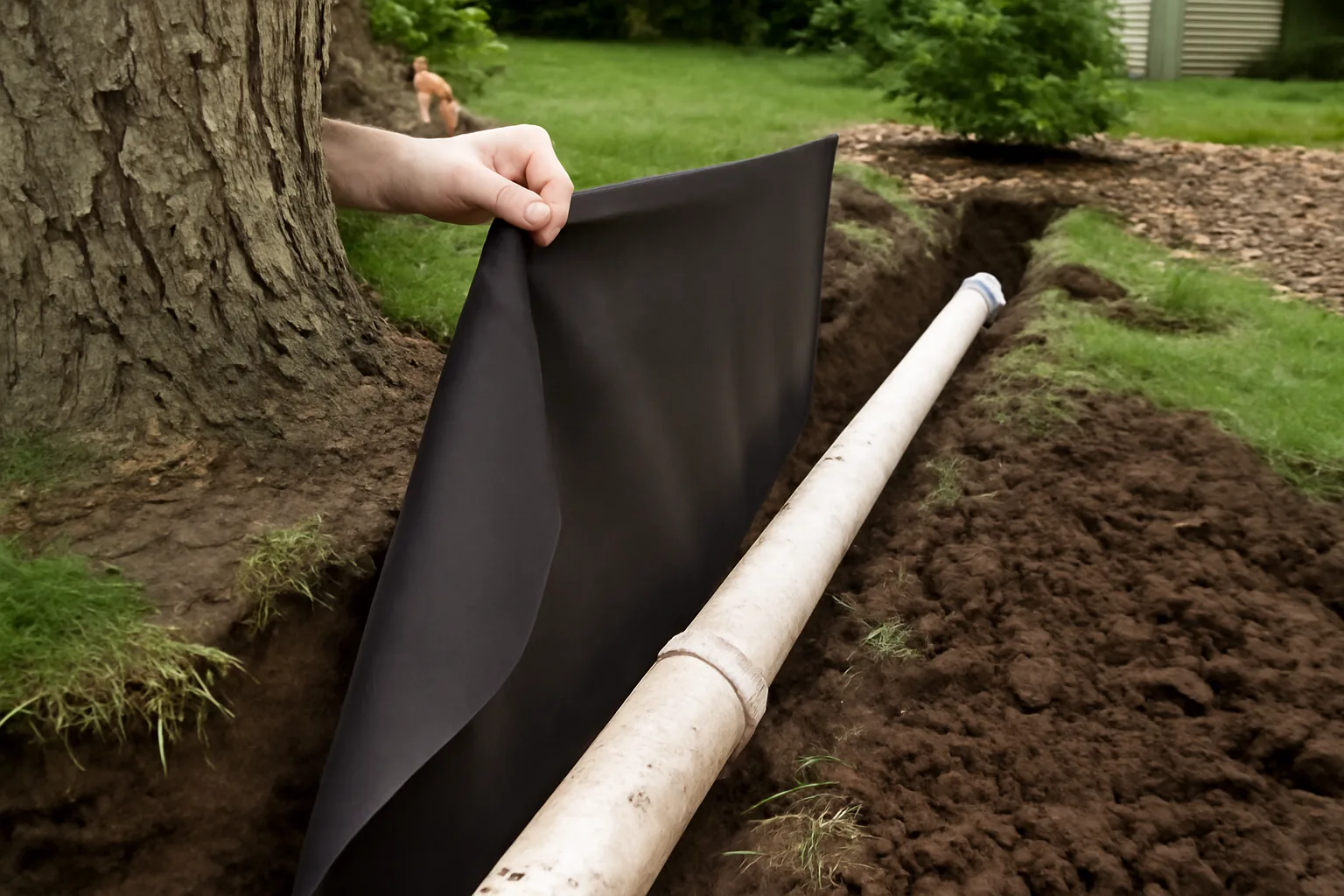
Planting distance matters, but what about trees that are already established? Or properties where landscaping limits how far back you can plant? That’s where physical root barriers become essential. A root barrier is a rigid or semi-rigid panel installed vertically in the soil to redirect root growth away from your target area. Done correctly, they work extremely well.
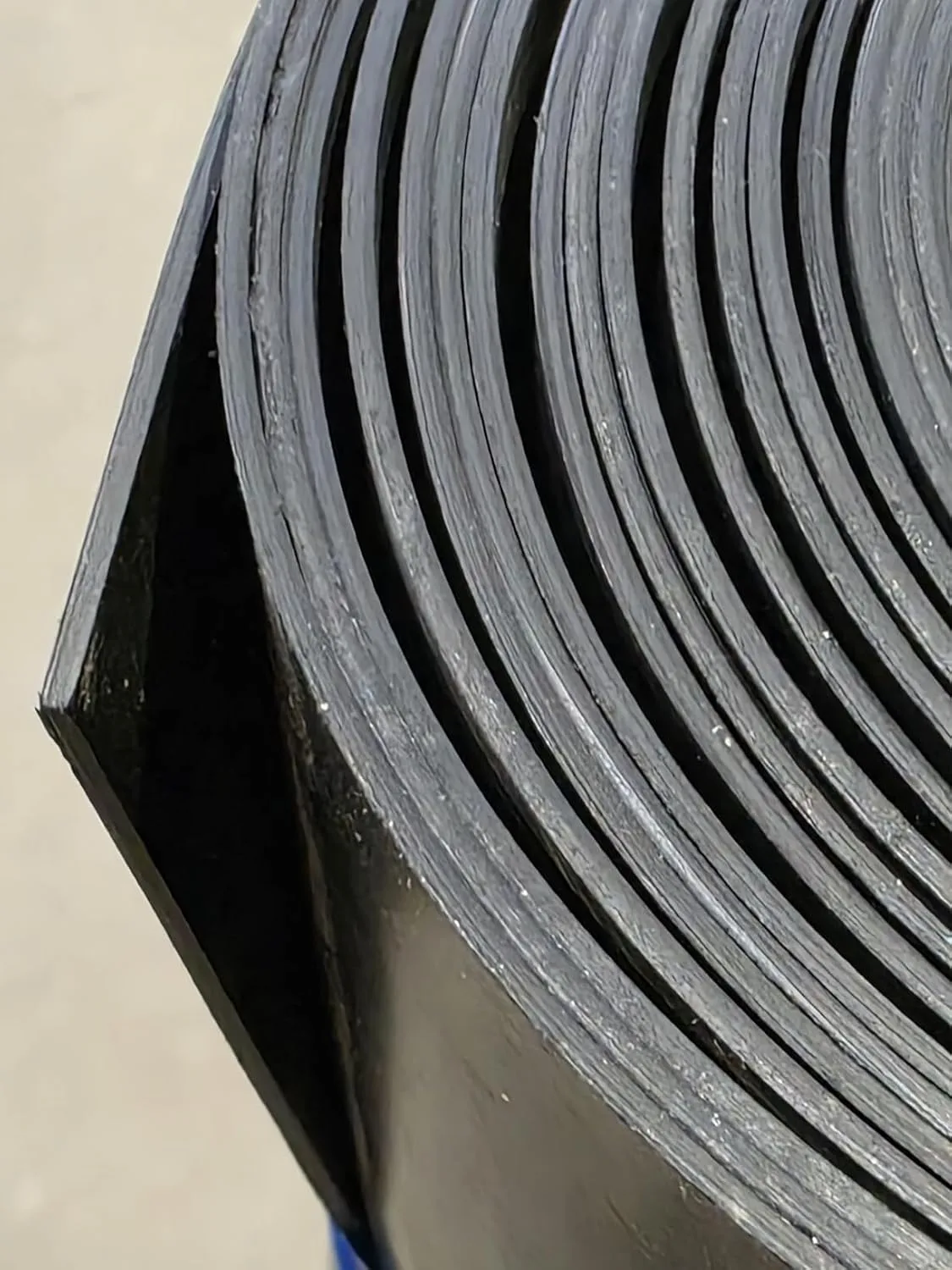
I’ve tested several products over the years. The most consistent results I’ve seen come from high-mil HDPE barriers — specifically 60-mil thickness or heavier. Thinner materials (under 30-mil) can be penetrated by aggressive root systems over time, especially from mature trees. I learned this the hard way on a property in 2019 where I used a budget 20-mil barrier. Two years later, roots from a silver maple had pushed through at a seam. The system was fine — we caught it early — but I’ve never gone below 60-mil since.
Depth matters as much as thickness. For most residential applications near septic lines, I recommend barriers installed to a depth of at least 24 inches. Most problematic root growth happens in the top 18 to 24 inches of soil. Going deeper than 36 inches provides diminishing returns unless you’re dealing with established large trees with deeper taproots. Installation is straightforward with a flat spade and a hand tamper — no heavy equipment required for most runs under 30 feet.
Product I Recommend: West Bay 60-Mil Root Barrier
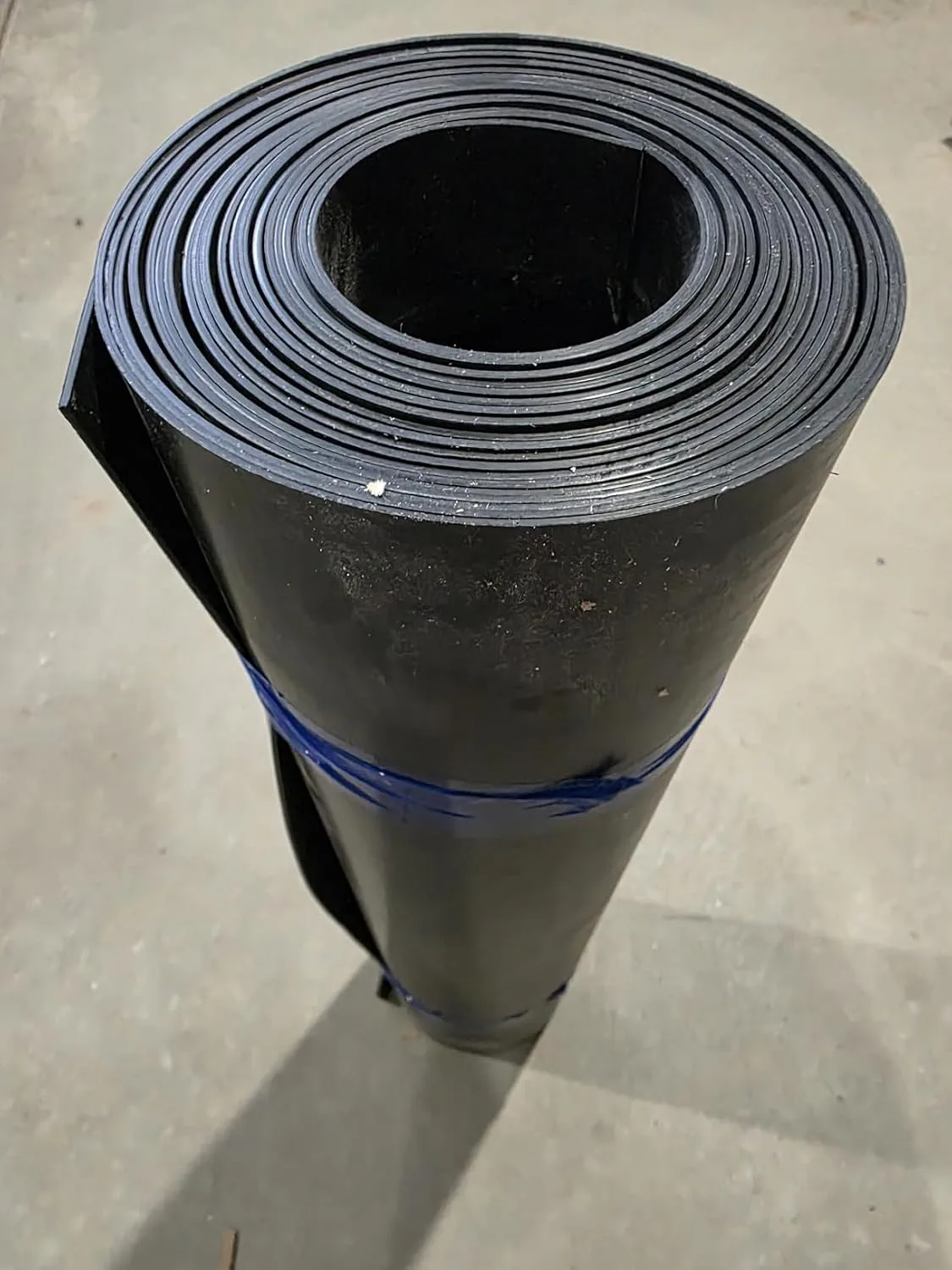
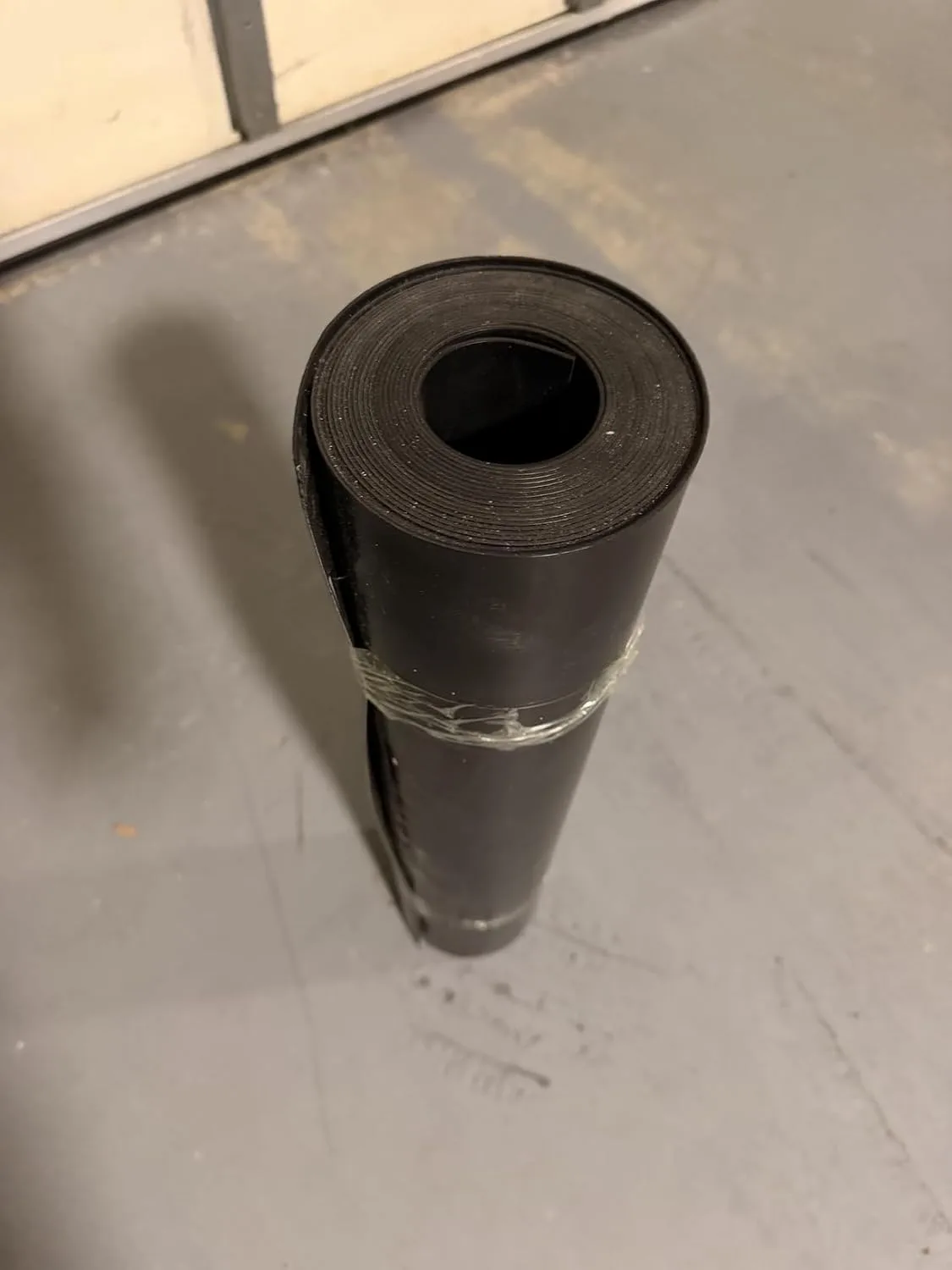
After testing multiple options, the product I now keep in regular rotation is the West Bay 20ft x 24in x 60mil Tree Root Barrier. It’s the combination of dimensions that sold me. The 60-mil thickness is exactly what you need for long-term performance — thick enough to redirect mature root systems without cracking or puncturing under soil pressure. The 24-inch depth hits that sweet spot I mentioned, and the 20-foot panel length covers most residential trench runs without awkward splicing.
I used it on a project last fall between a client’s established oak tree and their septic lateral — about 18 feet of trench, installed in a single afternoon. The material holds its shape during installation, which sounds minor but makes a real difference when you’re working alone in a narrow trench. It doesn’t flop or fold out of position while you’re backfilling. Three months out, there’s no sign of deflection or movement. For a 20-foot barrier at this quality level, the price is fair — I’ve paid considerably more for commercial-grade barriers with similar specs.
The product is marketed for bamboo, landscaping, and driveway protection as well — which tells you it’s built to handle aggressive root systems, not just decorative edging. That’s exactly what you want when you’re protecting $10,000 worth of underground infrastructure.
Budget Alternative Worth Considering
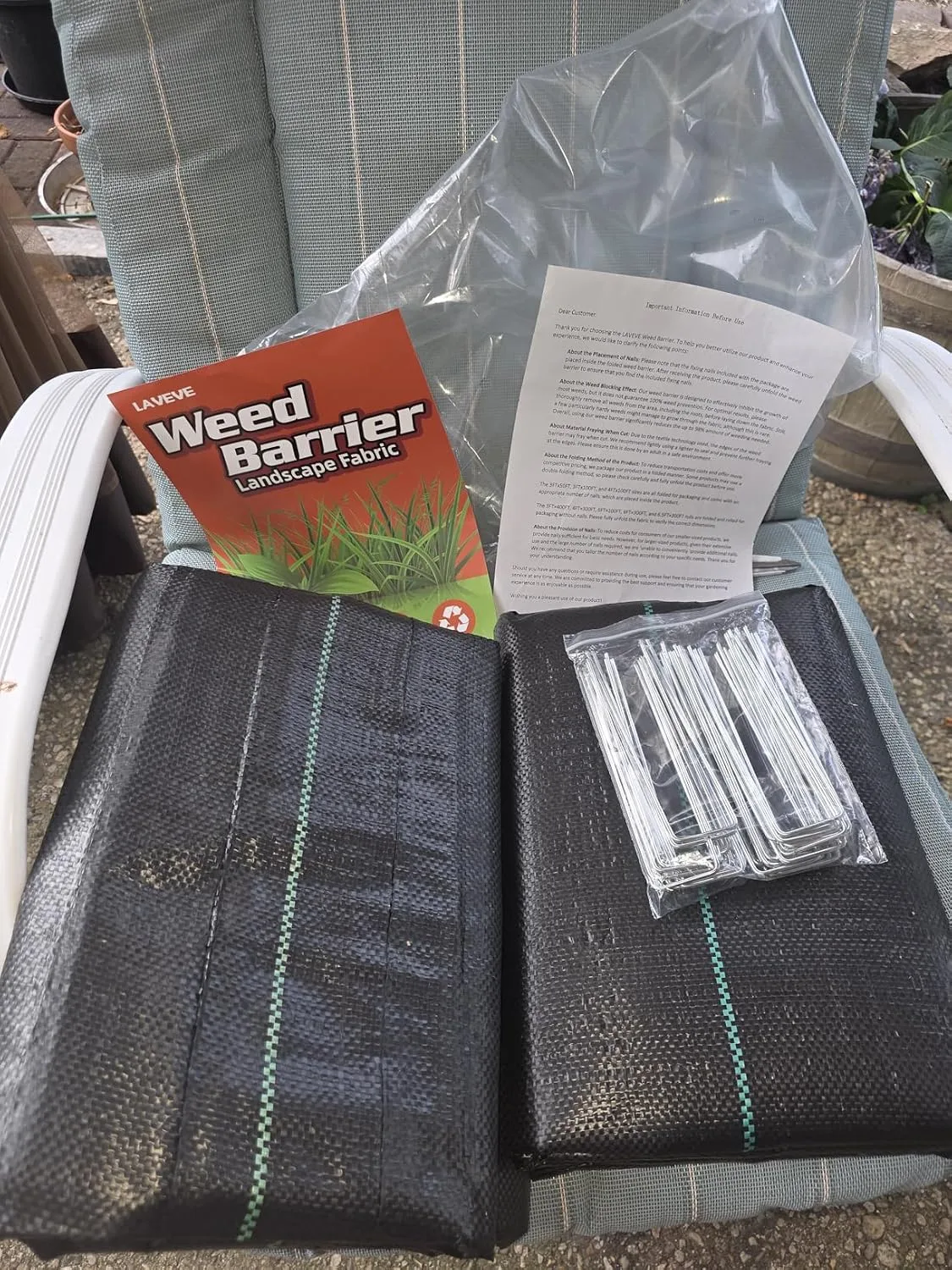
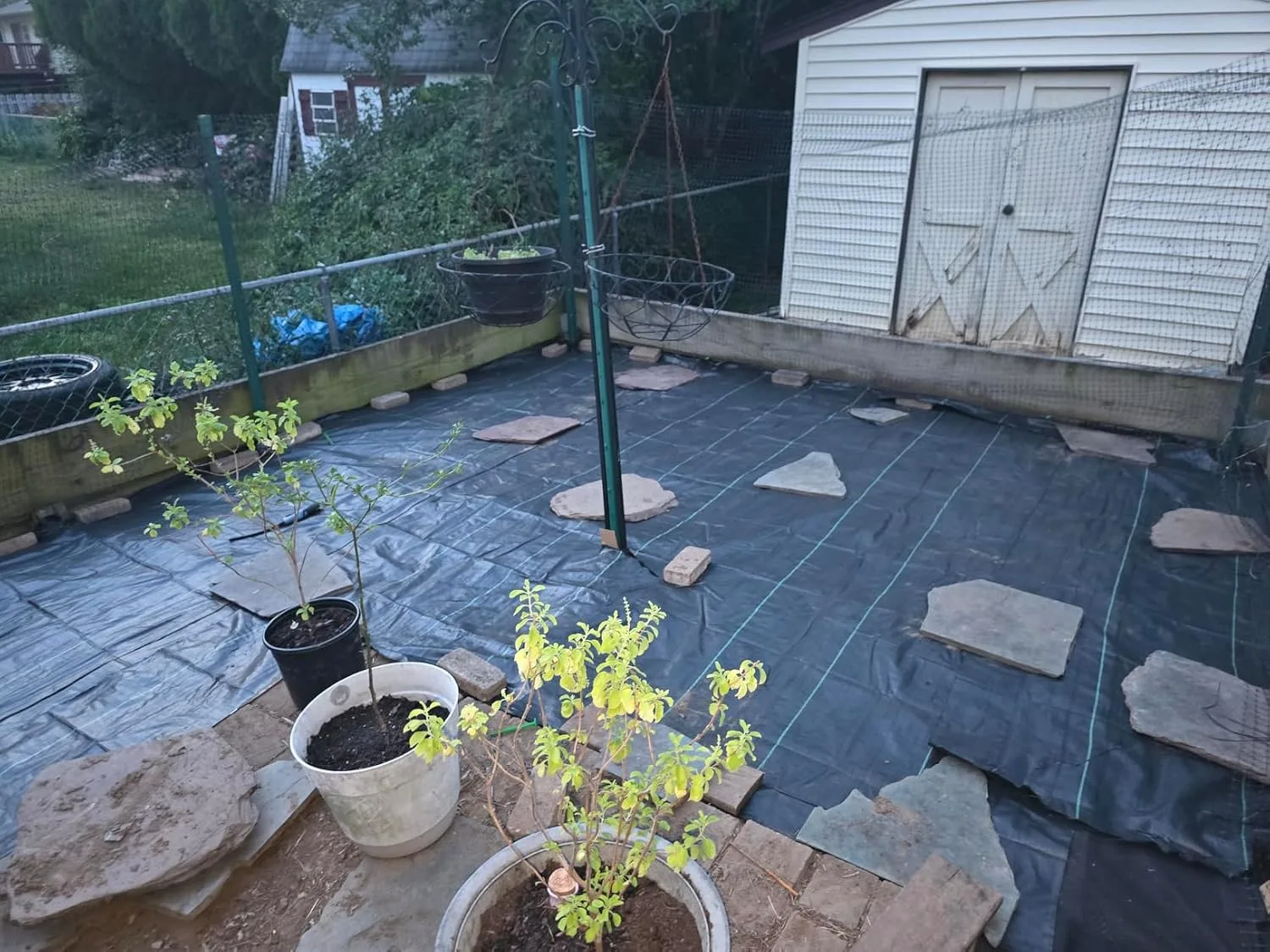
If you’re working with a tighter budget or need to cover a large area with a secondary perimeter barrier, the LAVEVE 4FT x 100FT Weed Barrier Landscape Fabric is a reasonable option for a supplementary layer. At 3.2oz weight, it won’t stop a determined mature root system on its own. However, used as a companion to a rigid barrier — laid horizontally at the base of the trench to discourage downward root growth — it adds a useful secondary layer of protection. It’s also practical for marking and isolating your drain field perimeter so landscapers know where not to dig or plant. Just be honest about its limitations: it’s a weed barrier, not a true root barrier for septic protection.
Chemical Treatments: What Works and What Doesn’t
Copper sulfate has been used for decades as a root treatment in sewer and septic lines. It works by creating a toxic zone in the soil around pipes that kills off fine feeder roots. Many municipal sewer systems use it on a maintenance schedule. For residential septic systems, copper sulfate products like Root-X or Roebic K-77 can be flushed through the system annually to suppress root growth inside the pipes.
In my experience, these treatments are useful as a maintenance tool — not a cure. They won’t dissolve an existing root mass. They won’t repair a cracked pipe. What they can do is slow the re-intrusion of fine roots after a mechanical cleaning, extending the interval before your next service call. For a system that’s already been cleaned and is in otherwise good condition, a $25 annual treatment is absolutely worth it. Used in conjunction with physical barriers, you have a genuinely strong prevention strategy.
One important caution: copper sulfate is not safe for all system types. Specifically, it should not be used in systems with cesspools, certain types of concrete septic tanks, or systems that discharge to sensitive waterways. Always check your local regulations and your tank manufacturer’s specs before using any chemical treatment. Some states have restrictions on copper sulfate use near groundwater recharge areas.
When to Call a Pro: Honest Limits of DIY Root Prevention
Installing a root barrier yourself is a legitimate DIY project. Trenching 18 to 24 inches down along a 20-foot run, placing a barrier, and backfilling is physical but not complicated. Most homeowners with a flat spade, a wheelbarrow, and a free weekend can handle it. I’ve walked dozens of clients through this over the phone.
However, there are clear situations where you need a licensed septic professional on-site. If you’re already experiencing slow drains, sewage odors in the yard, or wet spots over the drain field — stop. Don’t install a barrier yet. Those symptoms indicate active root intrusion or pipe damage that needs to be diagnosed first. Installing a barrier with an already-compromised system underneath doesn’t fix the problem. It can actually complicate the repair by obscuring access.
Similarly, if you don’t have an accurate as-built drawing of your system showing pipe locations, don’t dig blind. Call your local health department — many counties maintain records of permitted systems — or hire an inspector to locate your components first. Digging into a lateral line or a distribution box is an expensive mistake. A locating service typically costs $150 to $300 and is worth every dollar before any trenching work begins.
Final Thoughts on Tree Roots Septic Line Prevention
Effective tree roots septic line prevention comes down to three things working together: smart planting decisions, physical barriers in high-risk zones, and consistent maintenance. None of these steps are complicated. Together, they protect an investment that most homeowners can’t afford to replace on short notice.
If I had to give one piece of advice to every rural property owner reading this: walk your property right now and identify every tree within 50 feet of your septic system. Know the species. Understand the risk level. Then decide whether a barrier installation makes sense this season. A single afternoon of trench work today can prevent a five-figure repair five years from now. I’ve seen that math play out dozens of times in the field — and it never stops being true.
For most properties, the West Bay 60-mil root barrier is the product I’d start with. It’s the right thickness, the right depth, and handles real field conditions. Pair it with an annual copper sulfate treatment and sensible planting practices, and you’ve built a genuinely effective defense for your system.
This post contains affiliate links. As an Amazon Associate, I earn from qualifying purchases at no extra cost to you.
![Customer photo of [describe what's visible - e.g., product packaging, the root barrier in use, installation example, etc.]](https://backyardseptic.com/wp-content/uploads/2026/06/amazon-review-B09VGL18TV-3.webp)