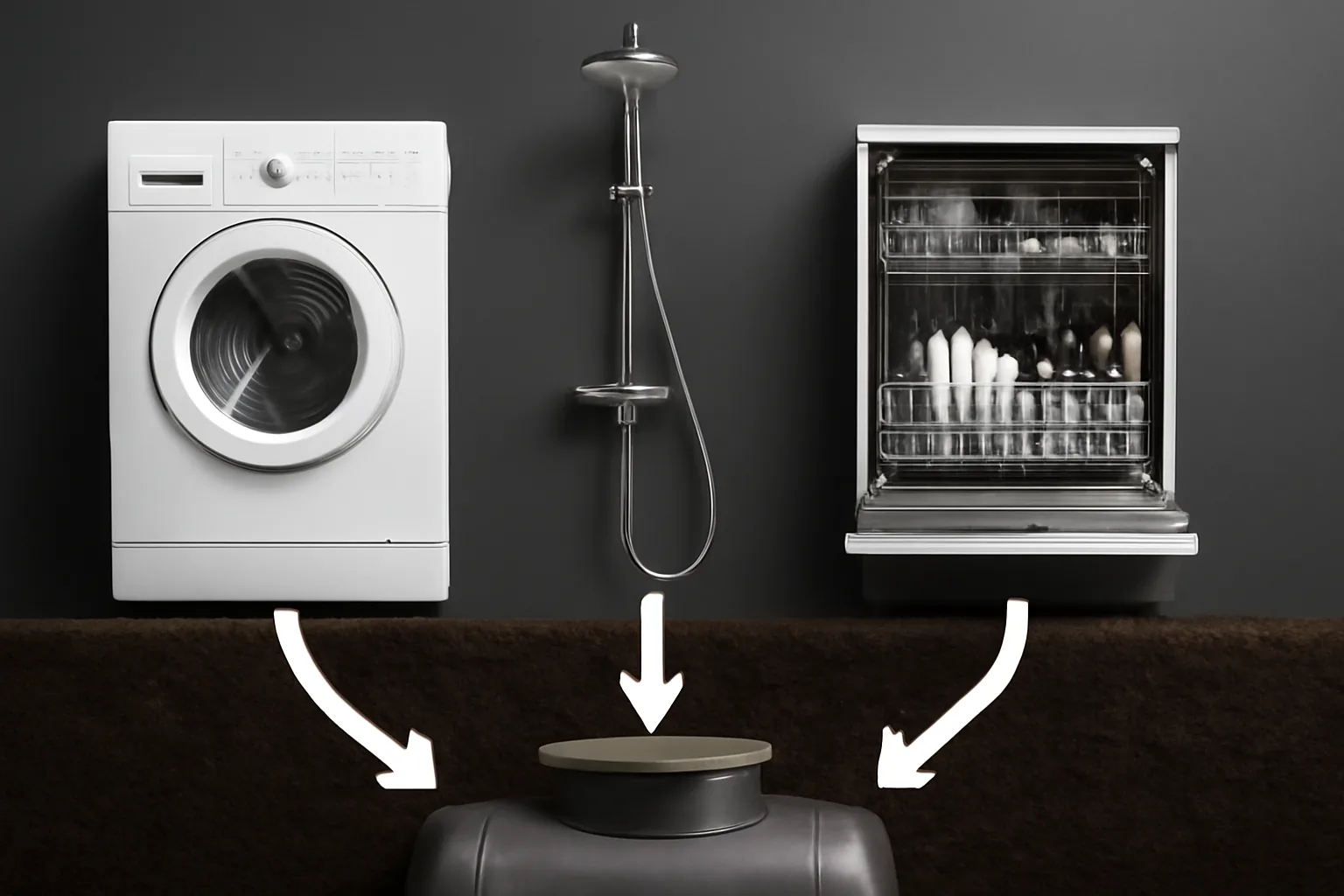
Water usage overloading the septic system is the number one silent killer I see on rural properties — and most homeowners never see it coming. Last summer, I got a call from a family in central Tennessee. They’d just moved into a 3-bedroom farmhouse with a 1,000-gallon tank. Within eight months, they had sewage backing up into the first-floor bathroom. When I pulled the inspection lid, the tank was completely overwhelmed. Not because it was undersized. Not because it was old. Because four people were running laundry, long showers, and a dishwasher with zero awareness of how much water they were sending underground every single day.
Here’s the hard truth: your septic system is not connected to a municipal treatment plant. It has a fixed biological capacity. Flood it with more water than it can process, and the results are expensive, unpleasant, and sometimes dangerous. I’ve seen hydraulic overload failures cost homeowners $8,000 to $25,000 in emergency pump-outs, drain field repairs, or full system replacements. Most of those failures were preventable.
I’ve spent 15 years inspecting and consulting on septic systems across rural Tennessee, Kentucky, and northern Georgia. In that time, I’ve learned exactly how water habits quietly push systems past their limits. This post breaks down what’s actually happening underground, which habits matter most, and what you can do today — starting with a $10 fix that I personally use on every system I own.
How Water Usage Overloads a Septic System (The Science Behind the Failure)
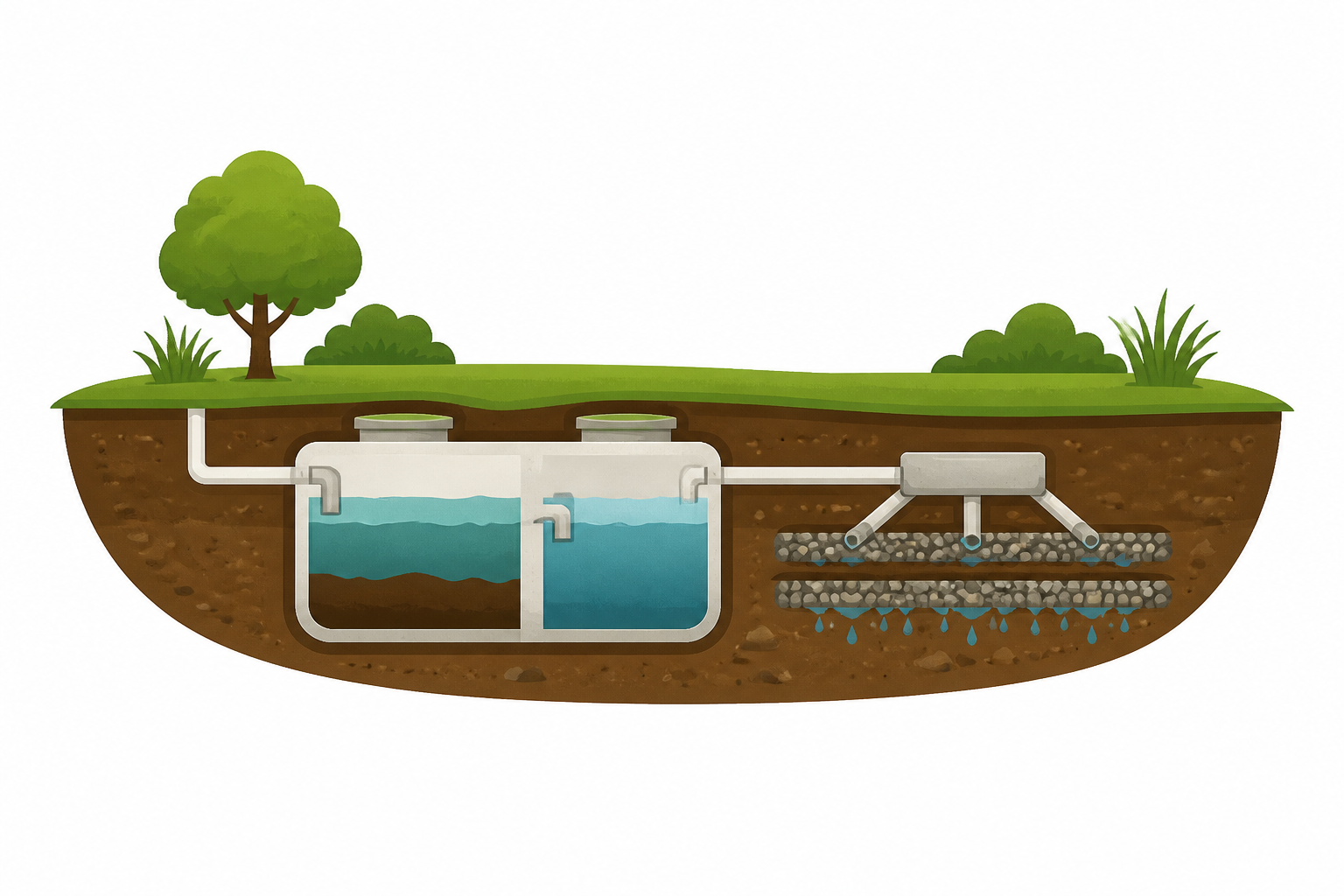
Your septic tank is designed around a specific hydraulic retention time — typically 24 to 48 hours. That’s how long wastewater needs to sit in the tank before the effluent moves into the drain field. During that window, solids settle to the bottom, scum floats to the top, and anaerobic bacteria break down the waste. Push too much water through too quickly, and you shorten that retention time. Solids get carried into the drain field before they’re processed.
Once solids enter the drain field, they clog the biomat — the layer of bacteria and soil that filters effluent. Rebuild that biomat and you’re looking at $3,000 to $15,000 depending on your soil type and local excavation costs. In my experience, hydraulic overload is responsible for at least 40% of the premature drain field failures I inspect. That’s not a manufacturer defect. That’s a behavioral problem.
The EPA’s Onsite Wastewater Treatment Systems Manual uses 50 to 70 gallons per person per day as the standard design flow for residential septic systems. A family of four should be generating roughly 200 to 280 gallons daily. I regularly see households pushing 400 to 500 gallons on laundry days alone. That’s where the system quietly begins to fail.
The Everyday Habits That Add Up Fast
People think it’s the big stuff — a burst pipe, a flooded washing machine. In reality, it’s the daily drip of normal water use that creates chronic overload. Let me walk you through the biggest offenders I document on inspections.
Long Showers
A standard showerhead flows at 2.0 to 2.5 GPM. A 15-minute shower dumps 30 to 37 gallons into your system. Now multiply that by four family members, all showering within two hours of each other in the morning. That’s up to 150 gallons before anyone’s made breakfast. I’ve timed showers on job sites where teenagers were running 20-plus minutes. That single habit, across a household, can exceed daily design capacity before noon.
Laundry Concentration
This one I learned the hard way — early in my career, I recommended a client pump their tank and assumed that would solve their slow drain issue. Three months later, same problem. When I dug deeper into their schedule, they were running 8 to 10 loads of laundry every Saturday. A top-loading washer uses 40 to 45 gallons per cycle. Eight loads equals 320 to 360 gallons in a single day. Their 750-gallon tank couldn’t hydraulically recover in time. Spreading laundry across five days, two loads maximum per day, solved the problem completely.
Leaky Fixtures and Running Toilets
A running toilet can waste 200 gallons per day. That’s not dramatic — that’s a slow leak past the flapper that most people ignore for months. I’ve found toilets on inspection walkthroughs that had been running since the previous owner’s time. That silent waste doesn’t feel like much, but it’s the hydraulic equivalent of an extra person living in your house. Fix leaky faucets and running toilets immediately. It’s the cheapest septic maintenance you’ll ever do.
The Aerator That Finally Showed Me How Much Water I Was Actually Wasting
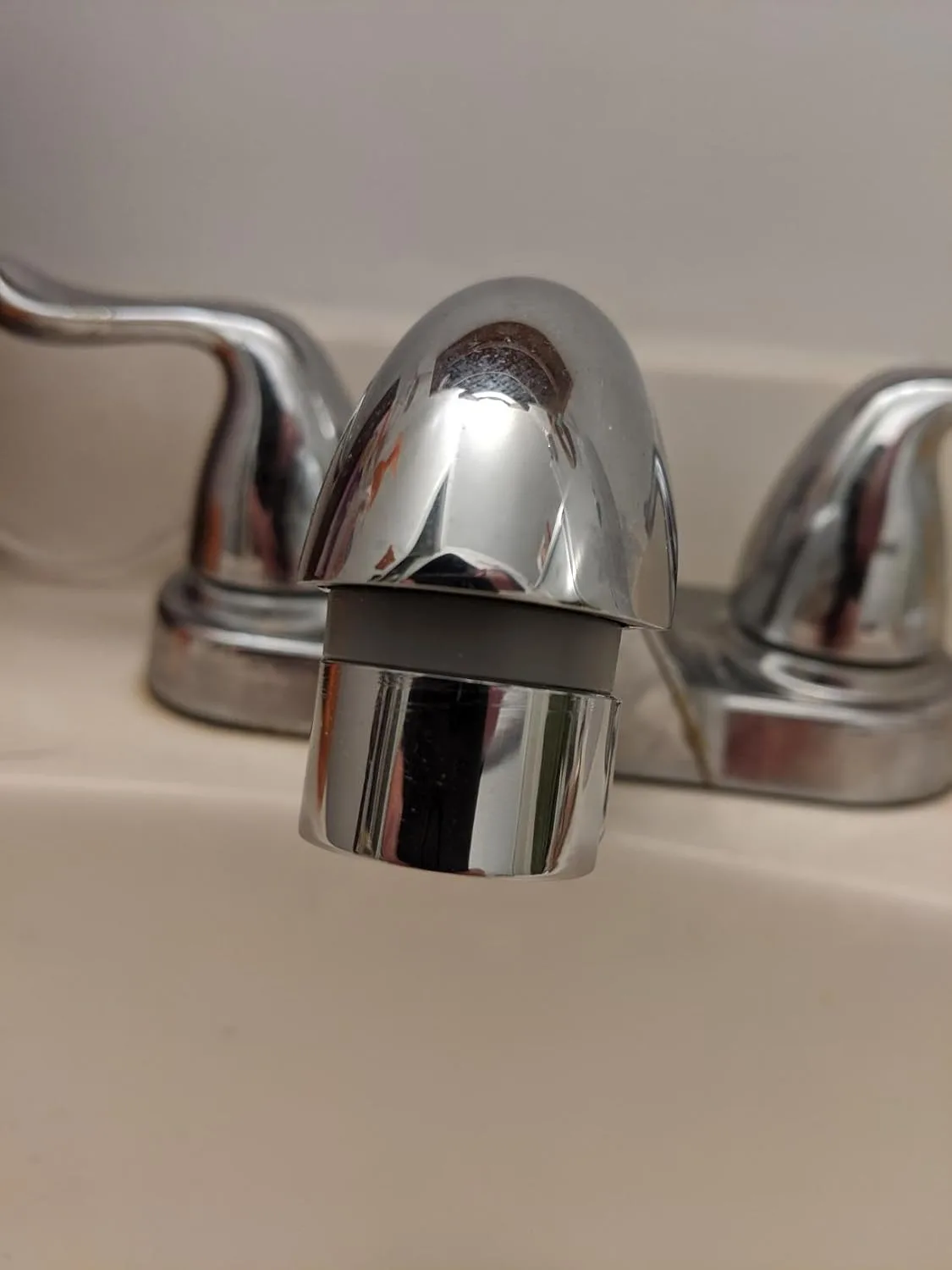
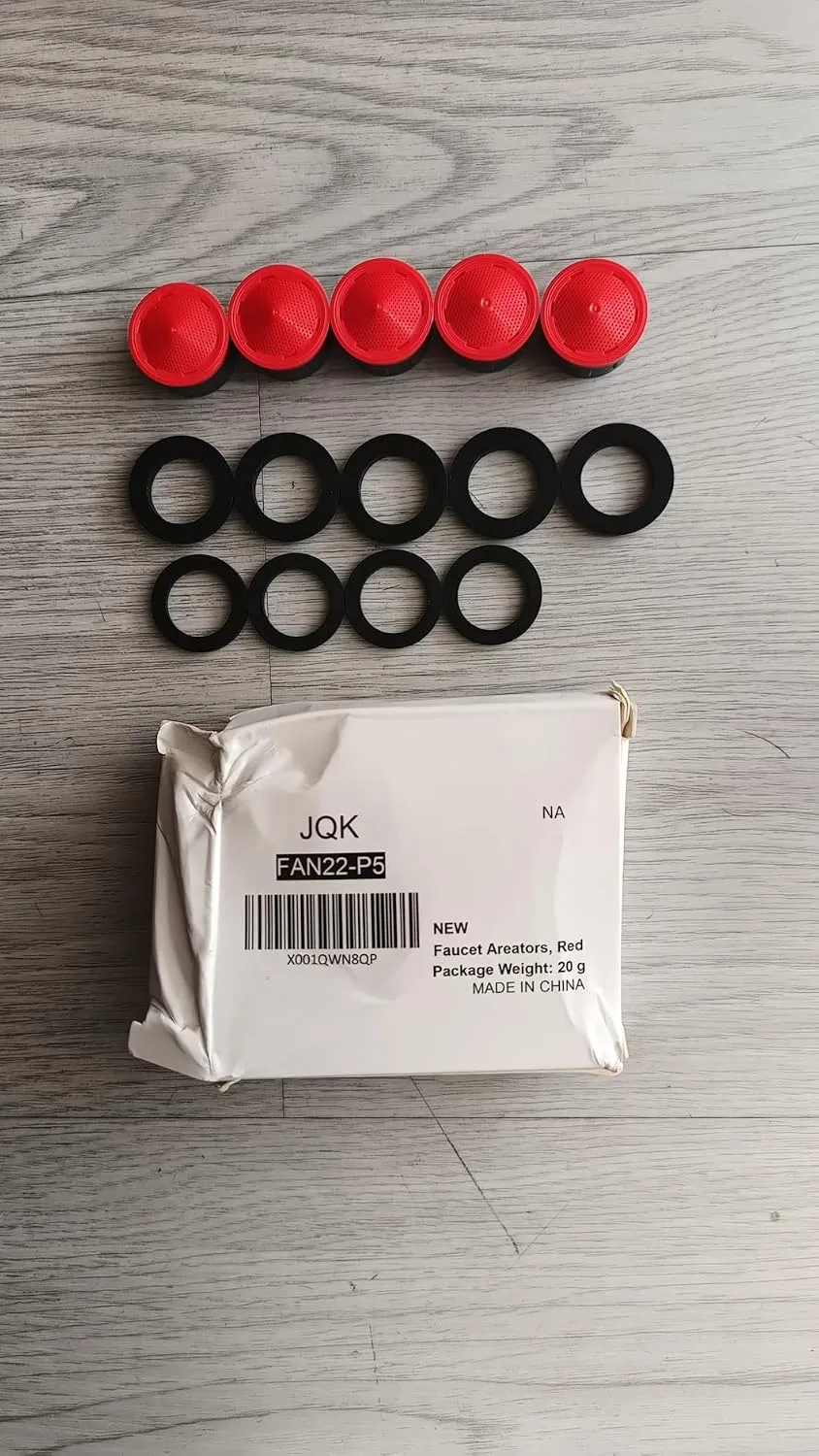
Most homeowners have no idea how much water flows through their kitchen and bathroom faucets every single day. A pressure-compensating aerator cuts that flow dramatically without making you feel like you’re living under a weak trickle — which is exactly what convinced me to stop fighting the numbers and start installing them.
What works
- Cuts faucet flow to 0.5 GPM without the annoying pressure loss you’d notice doing dishes or washing hands — the pressure compensation actually maintains spray force.
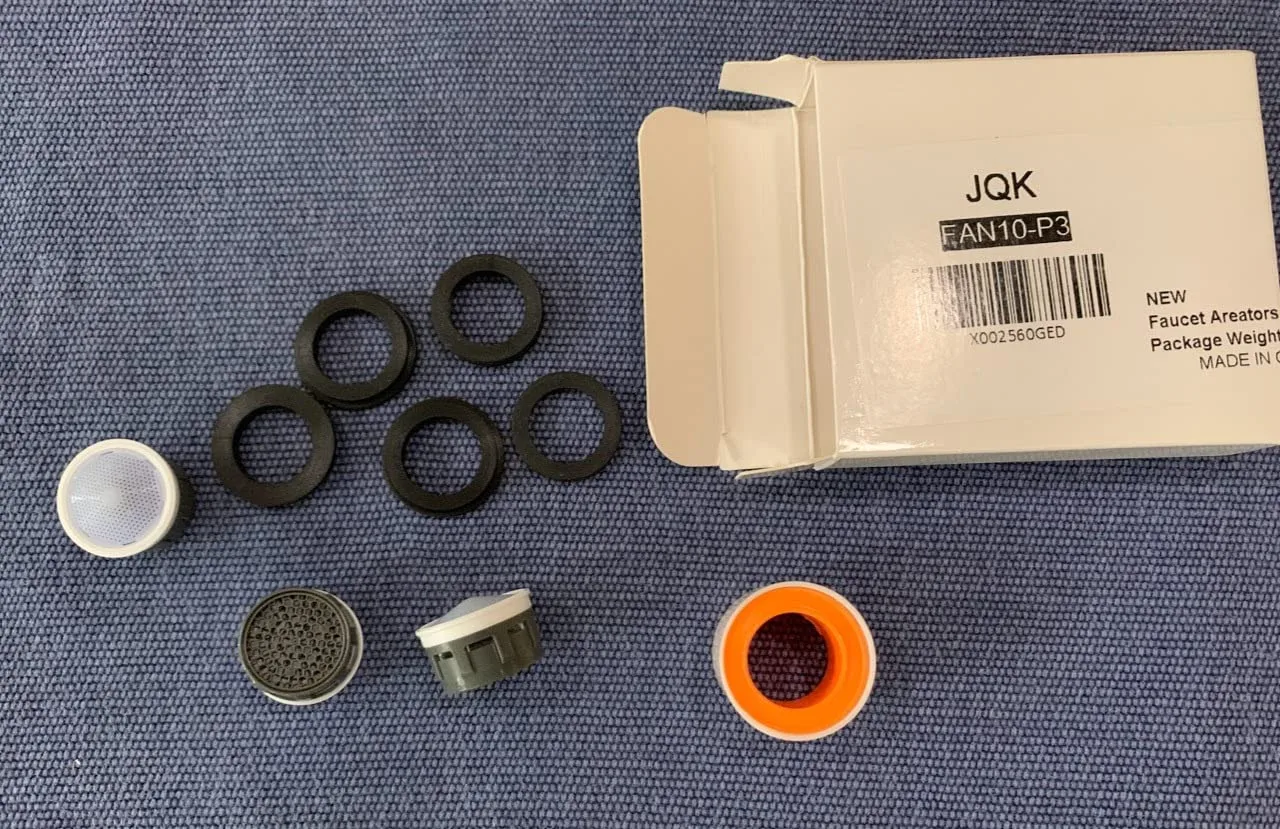
- Installs in under 60 seconds on almost any standard faucet, no plumbing experience needed, so you can retrofit your whole house in an afternoon instead of calling a plumber.
- Over a year, this single change on four bathrooms cuts your septic load by thousands of gallons — I’ve seen families go from system stress to normal cycling just by swapping aerators.
What doesn’t
- If you have hard water, mineral buildup can clog the aerator screen after 6-12 months, which means you have to unscrew and clean it — it’s easy but easy to forget.
- Some guest visitors notice the reduced flow and assume something’s wrong with your plumbing, which leads to awkward explanations at the sink.
I was skeptical the first time I installed one — I thought my wife would immediately complain about weak water pressure — but she never said a word. That’s when I realized this was the easiest septic protection I’d ever implemented. Check out the Niagara Conservation N3610CH Tri-Max Pressure-Compensating Faucet Aerator if you want to start cutting your water load without sacrificing comfort.
This post contains affiliate links. As an Amazon Associate, I earn from qualifying purchases at no extra cost to you.