This post contains affiliate links. As an Amazon Associate, I earn from qualifying purchases at no extra cost to you.
I pulled up to a call last spring — a family out in Putnam County, Georgia, standing in their backyard staring at a soggy patch of ground near the drain field. The wife told me they’d just had the tank pumped two years prior. Two years. I already had a pretty good guess what I’d find before I even popped the lid. Sure enough, the inlet baffle was coated in a thick, yellowish grease that had hardened like candle wax, and the tank itself was loaded with a floating grease layer nearly four inches thick. That’s not a pumping schedule problem. That’s a kitchen habits problem. And the truth is, understanding how kitchen habits protect your septic system is one of the most important — and most overlooked — pieces of homeowner education I give every single client I work with.
Most homeowners think about their septic system only when something goes wrong. In my 18 years of installing, inspecting, and repairing systems across rural Georgia, Alabama, and the Carolinas, I’ve seen more drain field failures traced back to the kitchen sink than to any other single source. Not the toilets. Not the laundry. The kitchen. The grease, the garbage disposal scraps, the “flushable” dish soaps — they all make their way into a tank that was designed to handle waste, not a cooking by-product processing facility.
What I want to give you here are the exact rules I hand to every new homeowner after I finish an installation or inspection. These aren’t complicated. However, they require consistency — and once you understand the why behind each one, they’ll stick with you far better than a generic “don’t pour grease down the drain” reminder.
Why Your Kitchen Is the Biggest Threat to Your Septic Tank
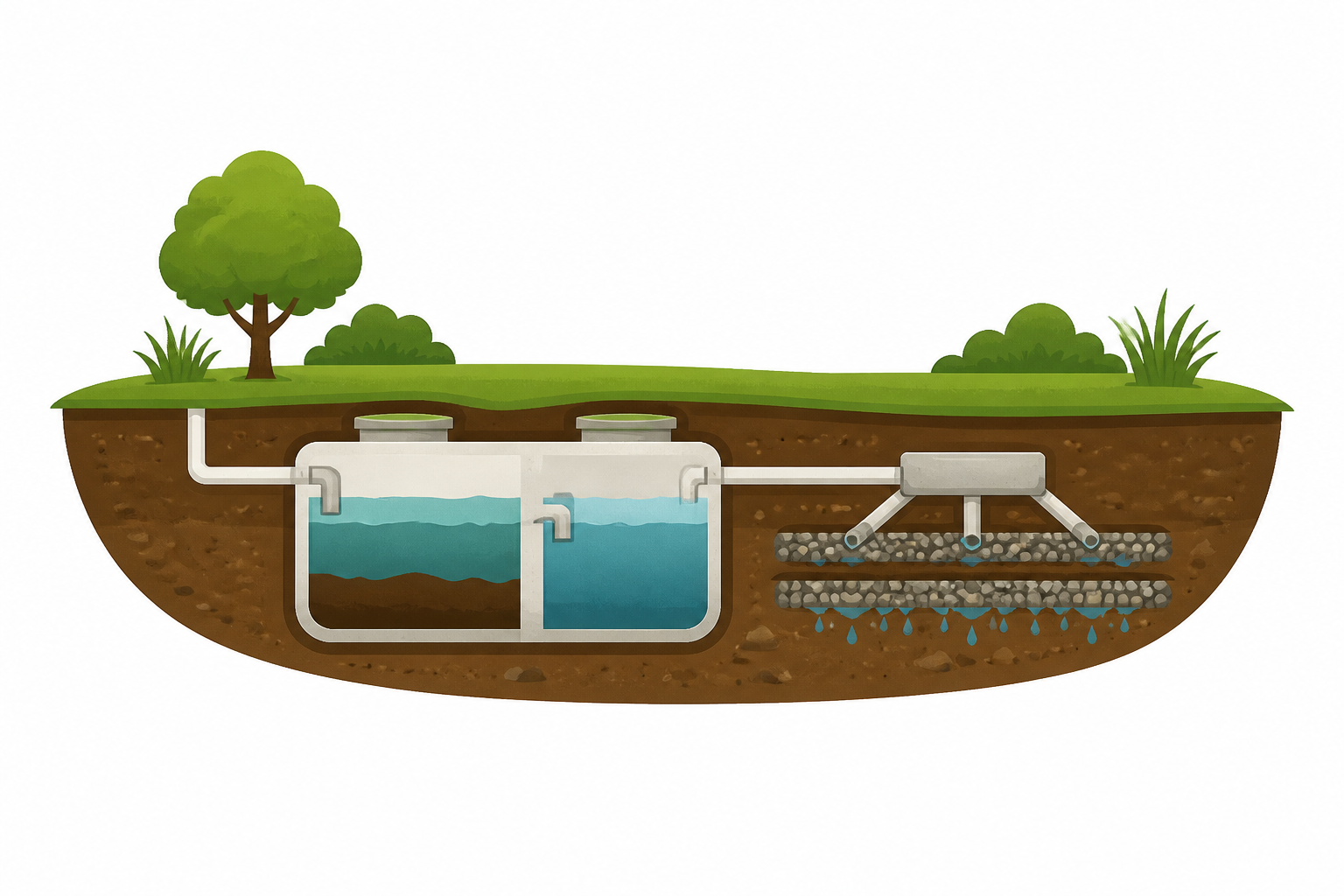
Here’s something most homeowners don’t realize: your septic tank works as a biological system. Inside that tank, anaerobic bacteria are constantly breaking down organic solids. Those bacteria need a specific environment — the right temperature, the right pH, and the right balance of waste material — to function properly. When you introduce large amounts of fats, oils, and grease (FOG, as we call it in the trade), you disrupt that environment in a serious way.
Grease does not break down like other organic waste. It solidifies as it cools, coats your inlet pipe, clogs your baffle, and floats to the top of the tank as a scum layer. The EPA’s Homeowner’s Guide to Septic Systems specifically calls out FOG as a primary contributor to system failure. In my experience, a healthy tank should have a scum layer no thicker than about 1 to 2 inches at most. That Putnam County tank I mentioned? Four inches. The acceptable pumping threshold is typically when the scum layer is within 3 inches of the outlet baffle — at 4 inches, that family was already past the point of prevention.
The kitchen also introduces high volumes of suspended solids through garbage disposals and food scraps. Specifically, studies cited by the University of Georgia Extension Service have noted that garbage disposal use can increase the total suspended solids entering a tank by up to 50 percent. That dramatically increases your pumping frequency and accelerates drain field loading. As a result, something as simple as scraping plates into the trash instead of the sink can extend the life of your system by years.
The FOG Rule: What I Tell Every Client About Fats, Oils, and Grease
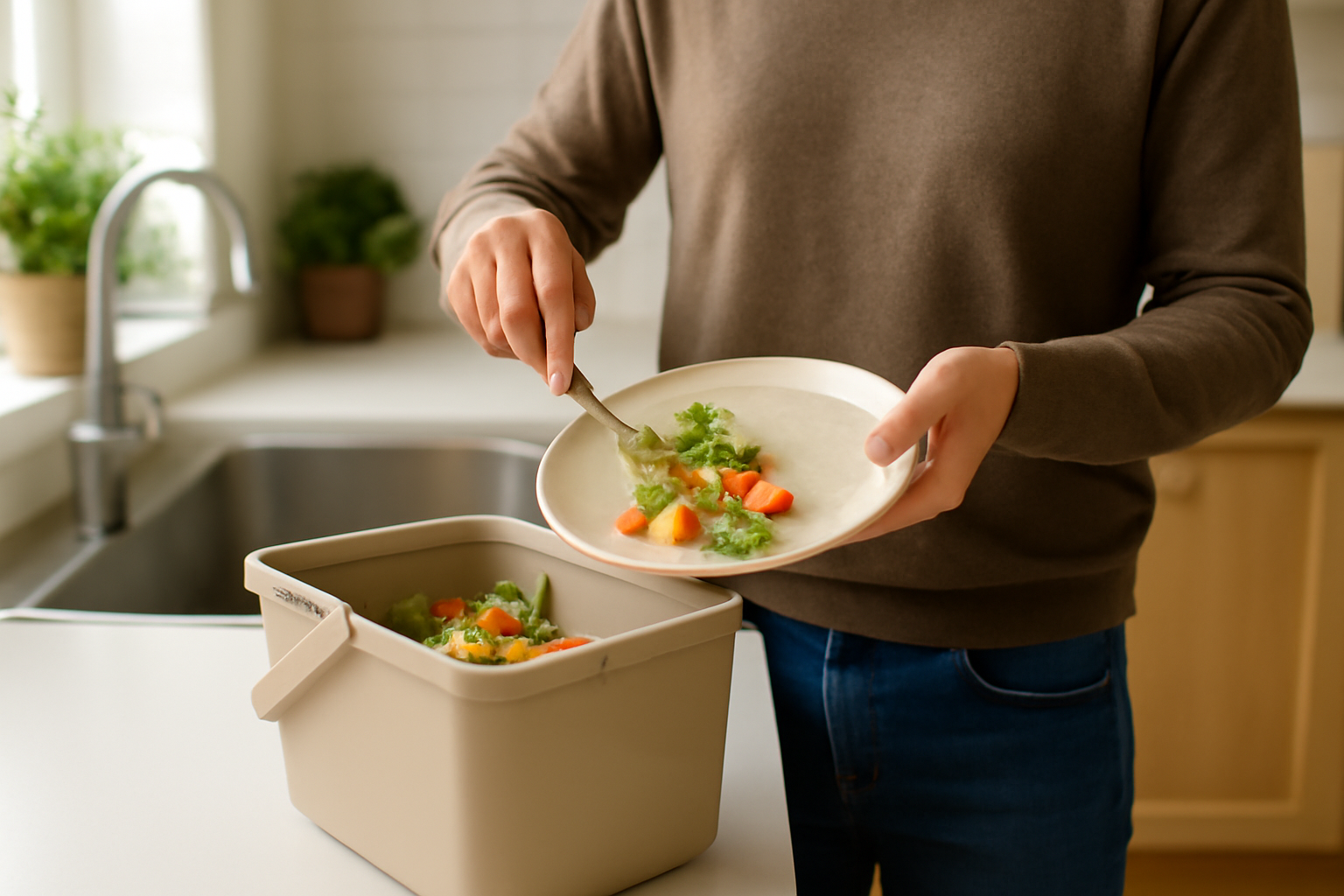
My number-one rule, every time, without exception: nothing greasy goes down the kitchen drain. Not bacon grease. Not butter from the pan. Not the oily water left after frying chicken. I tell clients to keep an old coffee can or a dedicated grease jar on the back of the stove. Let it solidify, then throw it in the trash. It takes about 30 seconds of habit to save yourself a $400 pump-out or a $6,000 drain field repair.
I learned this the hard way on my own property, early in my career. I was about three years into the trade and thought I knew everything. I had a small homestead in rural Butts County, and I was rinsing cast iron skillets in hot water thinking the heat would carry the grease through the system fine. Within 18 months, I had a sluggish drain and a baffle that needed replacing. My own septic system taught me more humility than any field call I’d been on. Hot water carries grease further into your plumbing — but it doesn’t eliminate it. That grease cools and solidifies somewhere downstream, whether it’s in your line, your baffle, or your tank.
The same applies to cooking oils — vegetable oil, olive oil, coconut oil. These are liquid at room temperature but they still coat pipe walls and contribute to the scum layer over time. Even small daily amounts accumulate fast. That said, an occasional rinse of a lightly oiled pan is not going to destroy your system. However, if you’re cooking three meals a day for a large family and rinsing pans routinely, you’re building up a real problem over a 2 to 3 year period.
Garbage Disposals and Septic: The Honest Truth
I get asked about garbage disposals constantly. My honest answer: if you’re on a septic system, I recommend against using a garbage disposal at all. Many state health department regulations — including Georgia’s On-Site Sewage Management regulations under Chapter 511-3-1 — actually require a larger tank size if a disposal is present, for exactly this reason. The additional solids loading is significant enough that regulators have built it into the sizing formula.
If you already have a disposal and you’re not willing to remove it, here’s my compromise guidance: use it only for incidental scraps — the small bits that cling to a plate after scraping. Never run large volumes of food waste through it. Specifically, avoid fibrous materials like celery, corn husks, and artichoke leaves, which don’t break down well biologically and can tangle into mats in your tank. Also avoid starchy foods — potato peels, pasta, rice — which swell with water and add to your solids load quickly.
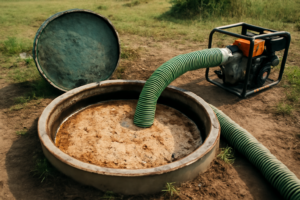
In my experience, households that use their disposal heavily are pumping every 18 to 24 months instead of every 3 to 5 years. At $350 to $500 per pump-out in rural Georgia, that adds up to thousands of dollars over the life of your system. Composting your food scraps is a far better solution — and it’s free.
Dish Soaps, Cleaners, and What’s Actually Safe for Your Tank
This is where I see a lot of confusion, including from clients who are genuinely trying to do right by their system. Not all dish soaps are created equal when it comes to septic health. The concern is two-fold: first, certain soaps are antibacterial, and they can kill or suppress the bacterial colonies inside your tank that are doing all the work. Second, highly concentrated or bleach-based cleaners can disrupt your tank’s pH balance.
My recommendation is straightforward: use a phosphate-free, biodegradable dish soap in normal quantities. Brands like Seventh Generation or Method are fine. Dawn Original in moderate amounts is generally tolerated by a healthy system — the key word being moderate. Avoid antibacterial formulas entirely if you can help it. However, don’t panic about the occasional use of a stronger cleaner. Your tank’s bacterial population is resilient. It’s chronic, daily exposure to harsh chemicals that causes real damage over time.
As for drain cleaners — I strongly advise against chemical drain cleaners like Drano or Liquid-Plumr in any septic home. These products use lye or sulfuric acid-based formulas that are devastating to your tank’s biology. If you have a clog, use a drain snake or call a plumber. The $150 service call is always cheaper than a $3,500 tank restoration.
The Under-Sink Trap That Stopped Me From Calling Pumpers Every Two Years
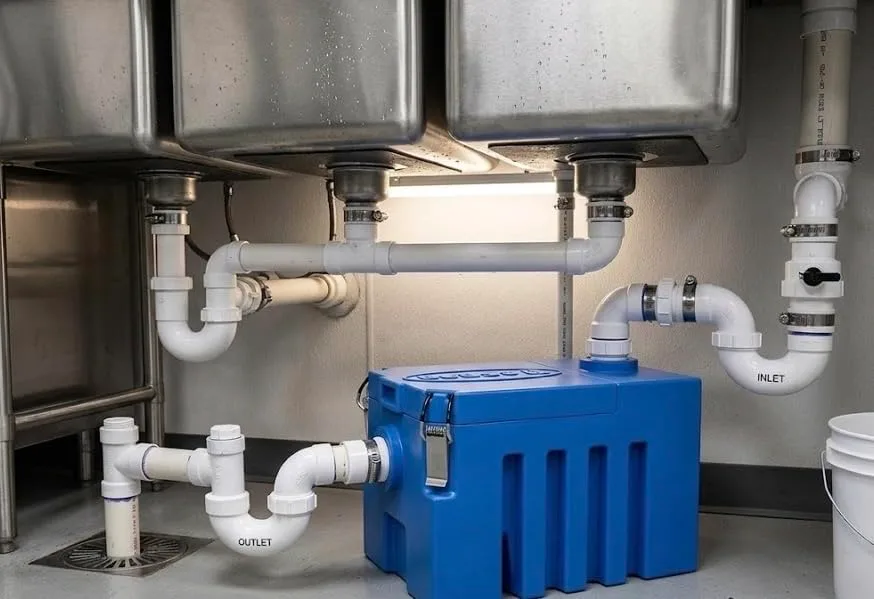
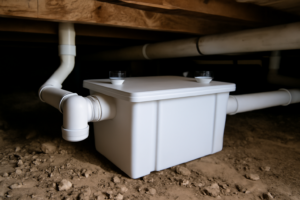
That greasy buildup coating the inlet baffle? It almost always starts in the kitchen sink. A grease trap under the sink catches the problem before it ever reaches your tank, and honestly, it’s the single easiest way to buy yourself years between pumpings.
What works
- Sits right under your sink and requires zero plumbing knowledge to install—just swap it into your existing drain line in about 10 minutes.
- Catches grease before it solidifies in your tank, which means you’re actually able to extend your pumping interval from every 2–3 years back to 4–5 years or longer.
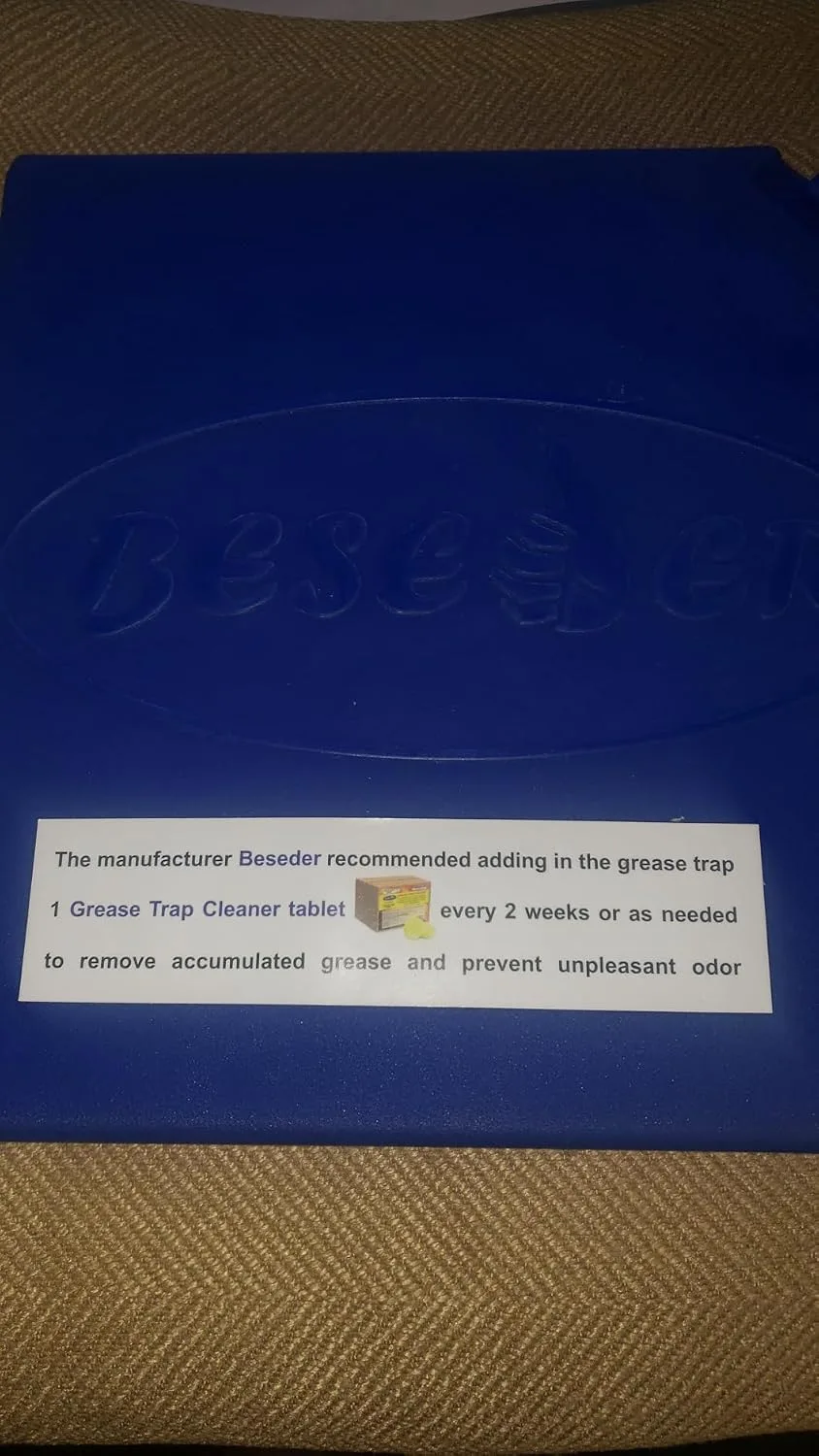
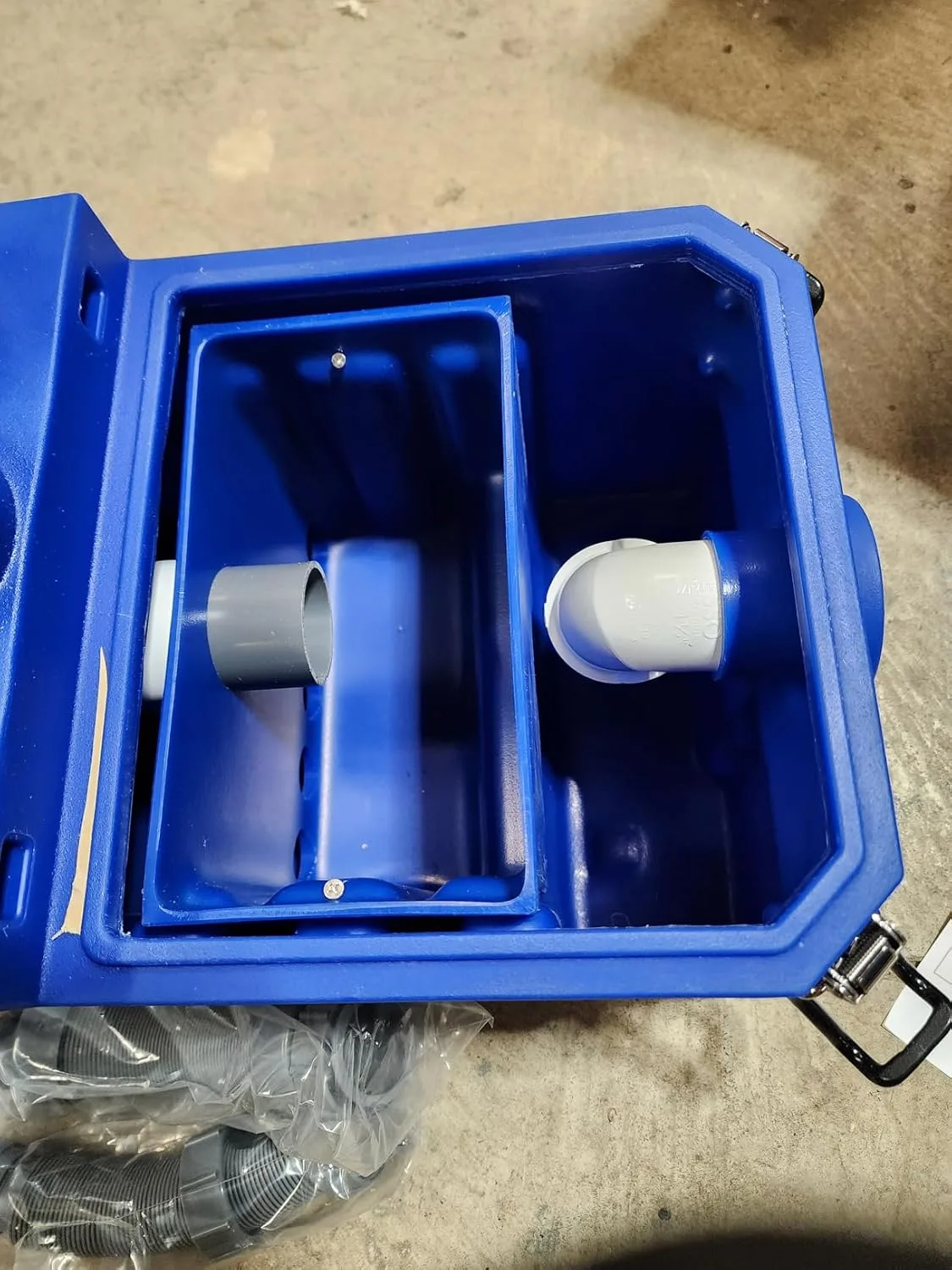
- The cleanup is simple—just wipe out the trapped grease into a container once a month or when it starts looking full, then rinse it out.
What doesn’t
- It’s a 3 GPM unit, so if you run multiple fixtures at once (dishwasher + shower), you might get slower drainage during peak use.
- You actually have to remember to clean it out—if you forget for months, grease builds up and defeats the whole purpose.
I’ll admit, I was skeptical the first time I installed one at my own place—I figured it’d be another thing to maintain on top of everything else. But after three years without a pump call, I stopped overthinking it and started recommending them to every client who’d listen. Check out the Grease Trap plastic 3 GPM Under Sink for Home Kitchen – connection type TOP on Amazon.
This post contains affiliate links. As an Amazon Associate, I earn from qualifying purchases at no extra cost to you.
![Customer photo of [describe what's visible in the image related to septic-safe kitchen products]](https://backyardseptic.com/wp-content/uploads/2026/06/amazon-review-B0841NYHM1-1.webp)