This post contains affiliate links. As an Amazon Associate, I earn from qualifying purchases at no extra cost to you.
Last spring, I got a call from a homeowner near Macon, Georgia. His aerobic treatment unit—an ATU system I’d installed eight years prior—had suddenly started producing cloudy, foul-smelling effluent. The spray heads were backing up. He’d just finished a course of antibiotics for a sinus infection. That’s when it clicked: his aerobic septic bacteria had crashed.
After 18 years of pumping, repairing, and replacing septic systems across the rural Southeast, I’ve learned that understanding aerobic septic bacteria is the difference between a system that runs silently for decades and one that fails at the worst possible moment. Most homeowners don’t realize their system depends on fragile living organisms—or that everyday habits can wipe them out in days.
Here’s what my field experience has taught me: aerobic septic bacteria aren’t invincible. They’re sensitive. They can die from antibiotics you take, power outages you can’t control, or chlorine doses that drift out of range. But they’re also incredibly resilient if you know how to protect them.
What Aerobic Septic Bacteria Actually Do—And Why There Are Two Teams
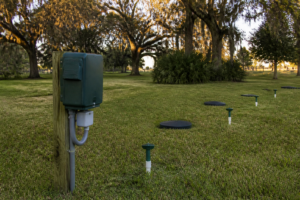
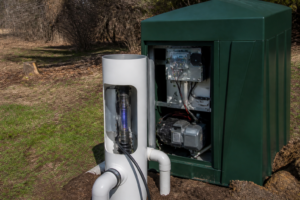
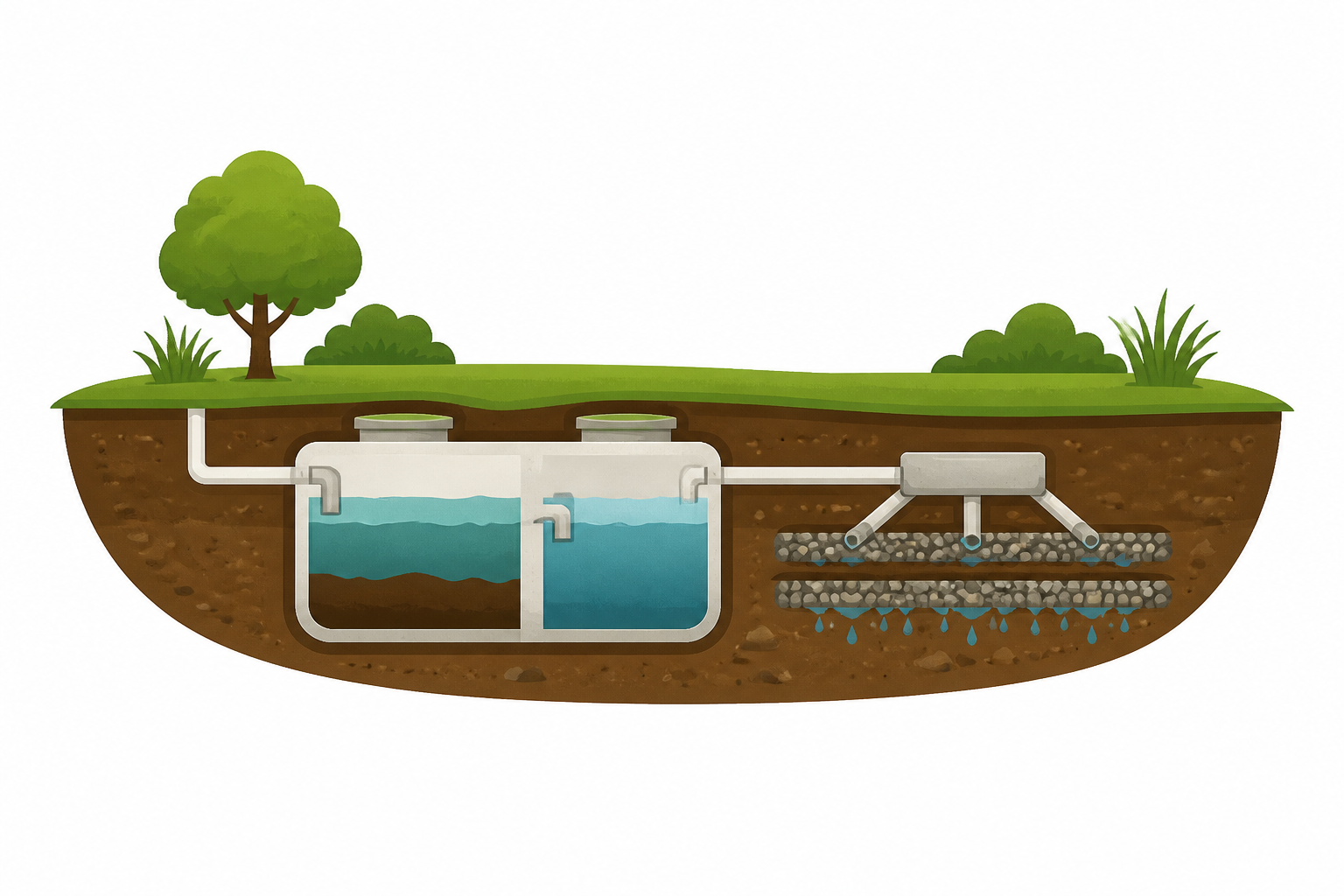
An aerobic treatment unit (ATU) is essentially a controlled environment where two distinct bacterial communities work in series. Understanding both is critical to keeping your system healthy.
The first team is heterotrophic bacteria. These organisms break down organic carbon and suspended solids—the raw sewage material. They consume BOD (biological oxygen demand) and produce energy quickly. Heterotrophs are workhorses. They’re robust, fast-growing, and forgiving. In my experience, they rarely give you trouble on their own.
The second team—the fragile one—is autotrophic nitrifying bacteria. Specifically, Nitrosomonas converts ammonia (NH₃) into nitrite (NO₂), and Nitrobacter converts nitrite into nitrate (NO₃). These nitrifiers are slow-growing, pH-sensitive, and oxygen-demanding. They’re what separates a basic septic tank from a real treatment system that meets NSF/ANSI 245 standards and state health department nitrogen-removal requirements.
Here’s where most folks trip up: nitrifiers take 10–14 days to double their population. If conditions turn bad, they crash in days but rebuild in weeks. Heterotrophs? They bounce back in 48 hours. That imbalance is exactly why a single antibiotic course or a power outage can wreck your ATU’s nitrogen removal for weeks.
Five Threats That Kill Aerobic Septic Bacteria—And How I See Them in the Field
In my 18 years, I’ve documented the major culprits that crash aerobic septic bacteria populations. Knowing them—and how fast they strike—lets you catch problems before expensive damage happens.
1. Antibiotics and Antimicrobial Soaps
This one caught me off guard years ago. A client called with cloudiness and odor two weeks after finishing antibiotics. A single course of fluoroquinolone (like Cipro) can crash nitrifier populations for 2–4 weeks. Other common culprits: tetracyclines, sulfonamides, and even “antibacterial” hand soaps and dish detergents.
Here’s the mechanism: broad-spectrum antibiotics don’t discriminate. They kill gut bacteria—and when those die organisms pass through your system, they also suppress nitrifiers in your ATU. It’s temporary, but during those weeks, you lose nitrogen removal entirely. Effluent nitrate levels can spike from a healthy 5–15 mg/L to 50+ mg/L.
My advice to clients is blunt: tell your doctor you have a septic system when they prescribe antibiotics. Most doctors will respect that and may suggest alternatives or shorter courses. And stop using “antibacterial” anything. Plain soap and water, or enzyme-based cleaners, work fine and won’t sabotage your bacteria.
2. Power Outages
An ATU without power is just a tank. The air pump stops. Dissolved oxygen (DO) drops to near-zero within hours. Below 0.5 mg/L, nitrifiers begin to die. I’ve seen it happen in 12–18 hours of continuous outage.
The worst case I ever walked into was a client near Athens who lost power during an ice storm for 36 hours. When I arrived, the aeration chamber was black, smelled like hydrogen sulfide, and was producing septic tank-quality effluent. The system needed a full bacterial restart. Cost: $180 in bacterial product plus my service call ($350). Had they had a generator—even a small 5kW—they’d have avoided it entirely.
My rule: if power is out more than 12–18 hours, assume nitrifiers are stressed. Beyond 24 hours, plan for a bacterial restart. Heterotrophs might recover, but nitrifiers need active intervention to fully reestablish.
3. Chlorine Overdose
The irony: disinfection, which protects your drain field and groundwater, can kill the bacteria keeping your system clean. An ATU’s chlorinator should maintain 0.5–2.0 mg/L residual chlorine in the final effluent. That’s enough to kill pathogens without harming the aeration chamber.
I’ve seen homeowners pack chlorine tablets into a chlorinator designed for slow-release, or accidentally dump a full bottle of bleach into an inspection port. Result: chlorine concentration spikes to 10+ mg/L. It backflows into the aeration chamber, kills both bacterial communities, and stops nitrification cold.
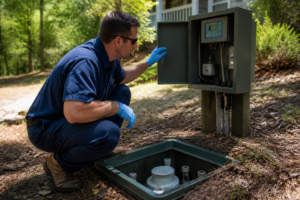
Prevention is simple: use only NSF-certified chlorine tablets designed for your specific chlorinator model, follow the manufacturer’s dosing schedule exactly, and never add bleach or pool shock to your system. When I service an ATU, I check the chlorinator setup during every quarterly visit. Overloaded? I remove excess tablets and document it.
4. Hydraulic Overload
Aerobic bacteria work best with steady, moderate flow. A typical ATU designed for a 3-bedroom house processes about 450–500 gallons per day. Bacteria in the aeration chamber have a detention time of 8–12 hours to do their work.
Now imagine a family weekend: 8 people in the house, all showering, laundry running, guests using bathrooms. A thousand gallons enters the system in 6 hours. The aeration chamber flushes in 4 hours instead of 10. Partially treated waste—with solids still suspended—carries over to the spray head, clogs the nozzles, and you’re calling for repair work within days.
The bacteria themselves don’t technically “die,” but they’re starved of residence time. Heterotrophs don’t finish carbon removal. Nitrifiers don’t convert ammonia. The system becomes a passing tank, not a treatment unit. I’ve seen this destroy drain fields in one season. Prevention: know your system’s design capacity and respect it during high-use periods.
5. Cold Water in Uninsulated Tanks
Bacterial metabolism depends on temperature. Below 55°F, nitrification slows dramatically. Below 45°F, it nearly stops. Heterotrophic activity drops too, but nitrifiers suffer first and hardest.
Here in the rural Southeast, deep winter rarely pushes underground ATUs below 50°F because of soil insulation. That said, uninsulated concrete systems installed in north Georgia—with shallow burial or above-ground setups—can hit problems. One client near Blue Ridge had an old fiberglass ATU installed only 18 inches deep. Winter water temps dropped to 48°F. His nitrification stopped for three months. Once it warmed in March, bacteria rebounded naturally.
If your system is in a cold region or poorly insulated, wrap the tank, bury it deeper if possible, or expect to restart bacteria each spring. Not common in my neck of the woods, but it’s worth knowing.
How to Spot Bacterial Die-Off Before It Becomes a Crisis
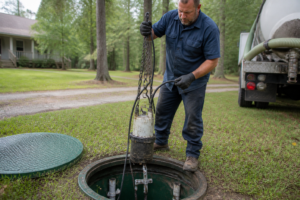
Visual and olfactory signs tell the story. When I arrive at a system with bacterial problems, certain red flags jump out immediately.
Milky or cloudy effluent is the first sign. Healthy aeration chamber effluent is clear to slightly tan. Cloudiness means solids aren’t settling or heterotrophs aren’t fully breaking down organics. Often it’s combined with suspended particles visible to the naked eye.
Foam on the aeration chamber surface is another red flag. Foam indicates either a bacterial imbalance or the presence of surfactants (soaps, detergents) that heterotrophs can’t fully degrade. More commonly, foam suggests a nitrifier crash—heterotrophs are working, but nitrifiers aren’t, so ammonia isn’t being converted and metabolism goes sideways.
Odor change from earthy to sulfurous or rotten-egg smell means anaerobic conditions are returning. That signals either low DO (dissolved oxygen) or a full bacterial crash. When nitrifiers die and heterotrophs take over without nitrifiers to consume their byproducts, sulfide compounds build up. Unmistakable smell.
Any of these signs warrant a dissolved oxygen test. When I do a quarterly service visit, I always run a DO meter on the aeration chamber. Healthy reading is 1.5–3.0 mg/L. Below 1.0 mg/L means either air pump trouble or a bacterial crash. Below 0.5 mg/L? The system is functionally dead and needs immediate attention.
The Bacterial Restart Procedure: Getting Aerobic Septic Bacteria Thriving Again
If your system shows signs of bacterial die-off, here’s the protocol I follow in the field. It takes discipline, but it works.
Step 1: Stop chlorination immediately for 3–5 days. Chlorine will kill the new bacteria you’re about to introduce. Disable the chlorinator or remove tablets. This gives residual chlorine time to dissipate.
Step 2: Add a bacterial seed product. This is where product choice matters. I’ve had solid results with Septic Drainer, Rid-X Septic Tank Treatment, and commercial-grade Bio-Active formulations. These are live bacterial consortia—multiple species packaged to quickly reestablish nitrifiers and heterotrophs. A standard 12-count annual supply (one packet per month) costs roughly $30–50 and covers a year.
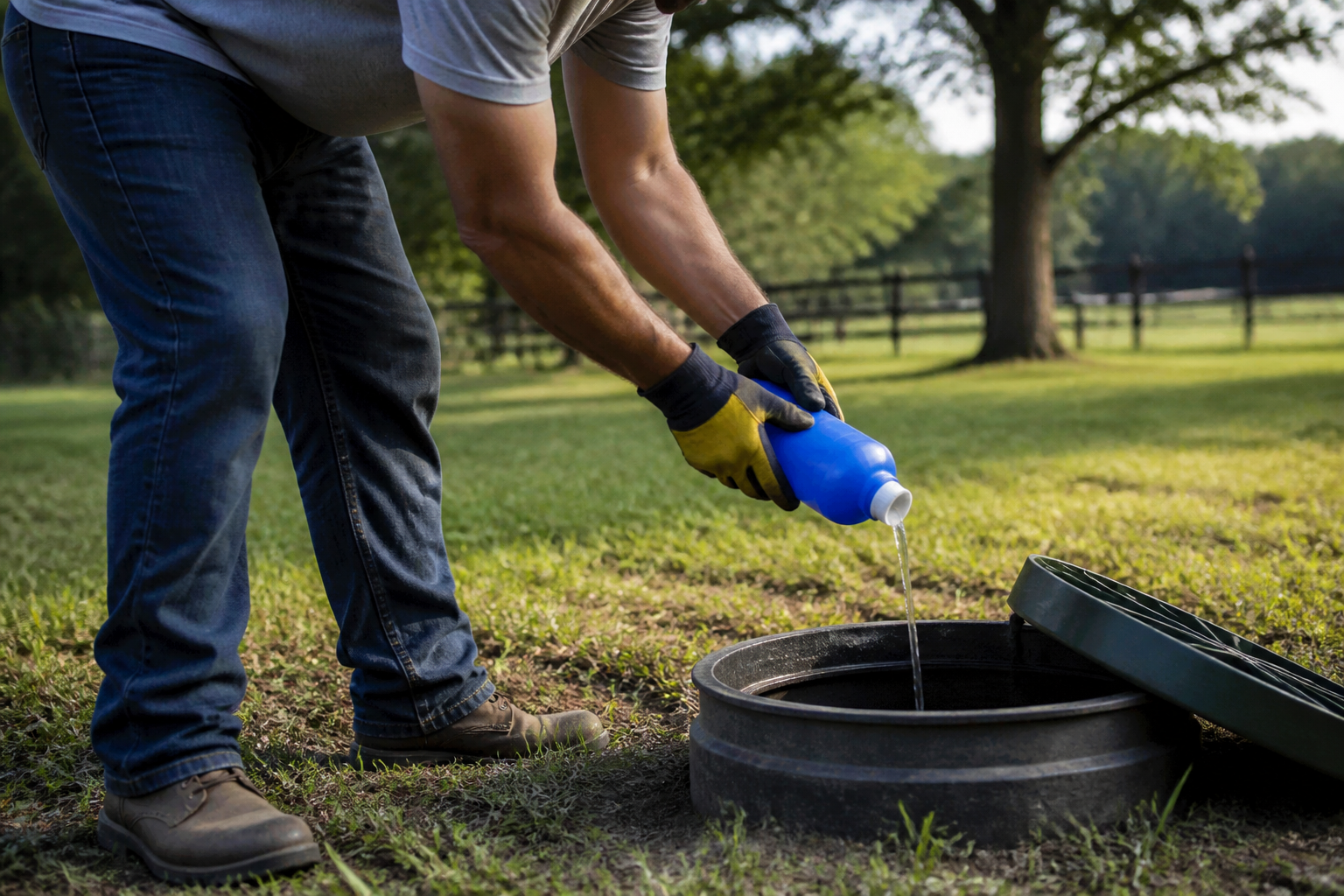
For a crash restart, I add two packets immediately, then resume monthly dosing. The product goes down the toilet—never into the ATU tank directly, since you want it to colonize naturally from the front end.
Step 3: Run the aerator continuously for 7–10 days. Don’t interrupt the air pump. Continuous oxygenation favors nitrifier recovery. Make sure the air pump is functioning—if it’s weak or clogged, the DO will stay low and bacteria won’t recover.
Step 4: Avoid all household chemicals during restart. No antibacterial soaps, no bleach, no drain cleaners, no laundry chemicals beyond plain detergent. The bacteria need a blank slate to reestablish. This is the hardest part for homeowners, but it’s non-negotiable.
Step 5: Resume normal chlorination after 7–10 days. By then, heterotrophs should be working again and nitrifiers should be initiating growth. Low chlorine doses (0.5–2.0 mg/L) won’t crash them a second time.
Full nitrifier reestablishment takes 3–4 weeks. I always advise clients: don’t expect perfect effluent for a month. You might see slight cloudiness or elevated ammonia for 10–14 days. That’s normal. By day 30, if conditions (temperature, flow, chemicals) are stable, you should see full recovery.
The Bacteria Restart That Saved My ATU After Antibiotics Wiped It Out
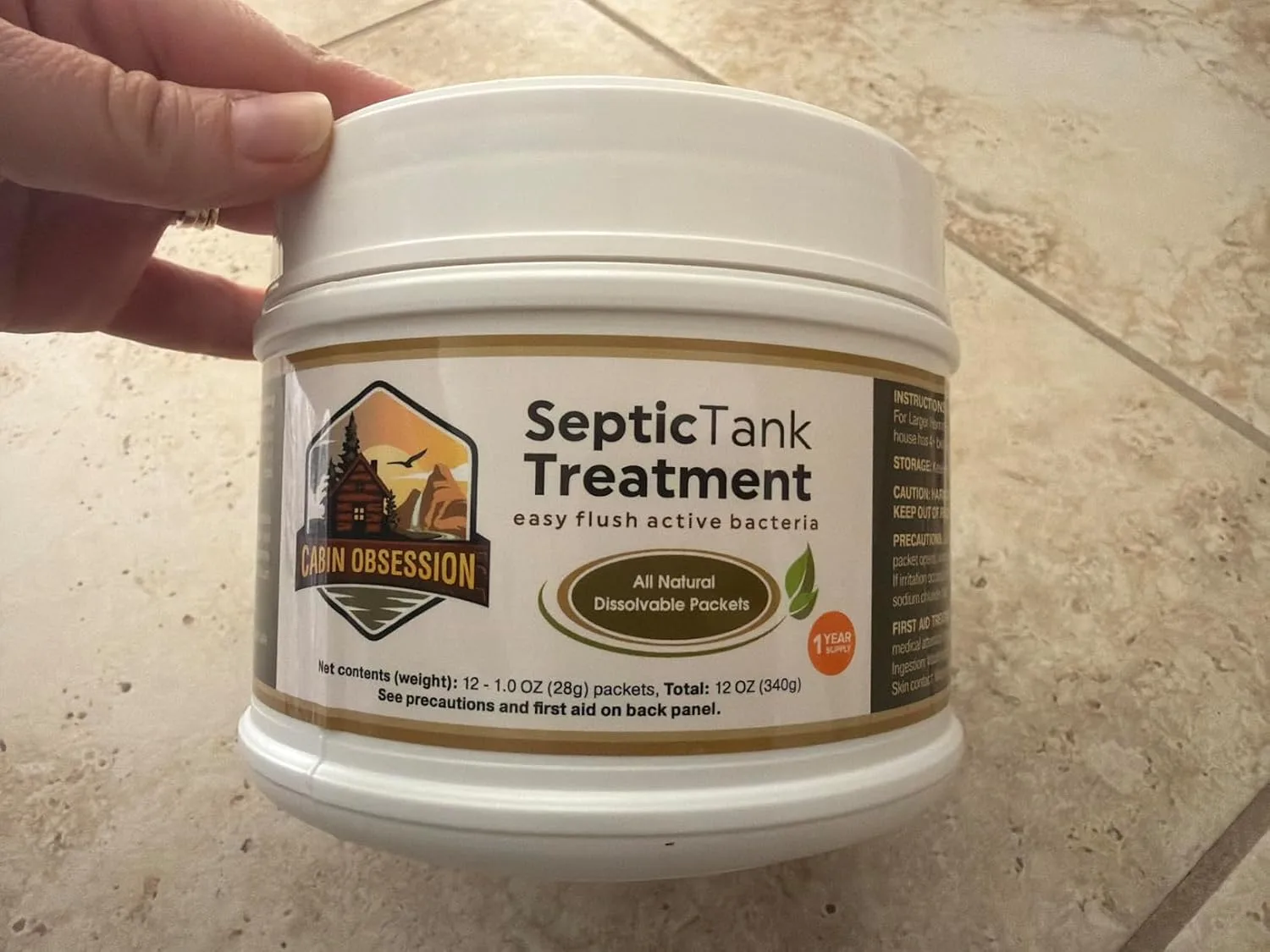
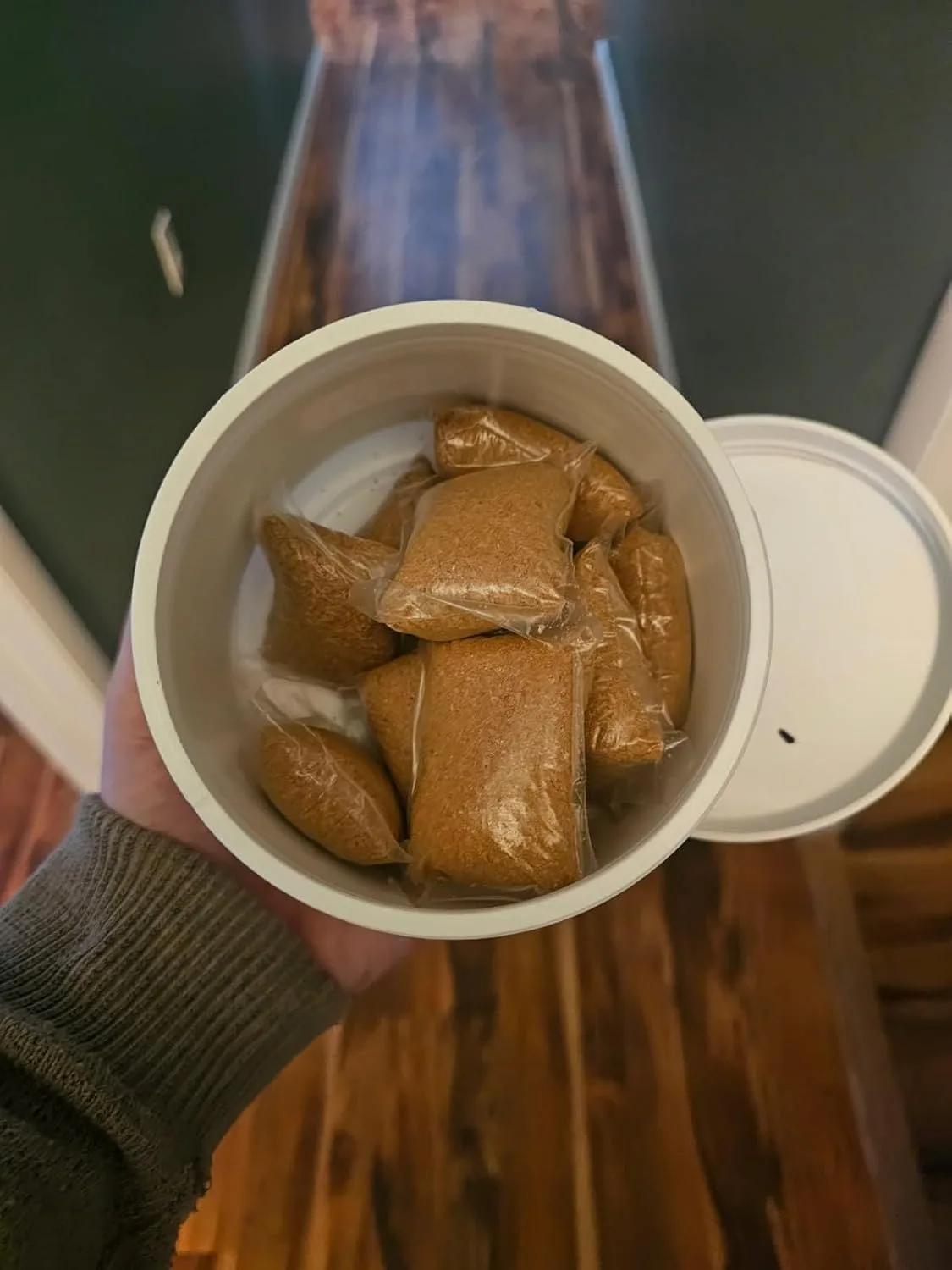
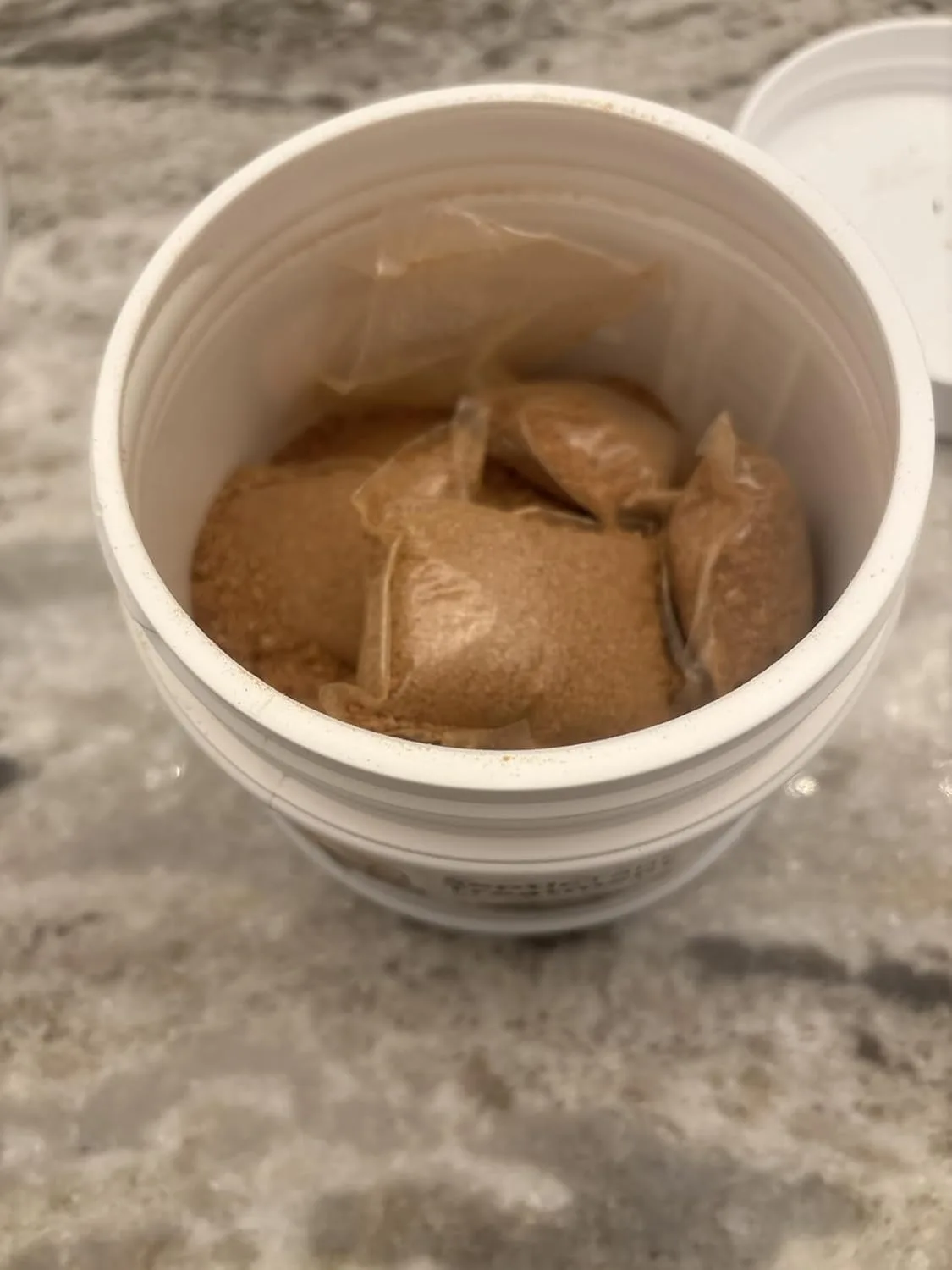
When aerobic bacteria crash—whether from antibiotics, harsh chemicals, or neglect—your treatment unit becomes a stalled tank. These dissolvable packets are built specifically to repopulate the aerobic colony fast, without the guesswork of liquid additives or the mess of powder.
What works
- The dissolvable format means no mixing, measuring, or spilling—I just drop a packet into the tank and let it do the work.
- Twelve-month supply covers regular maintenance, so you’re not scrambling to reorder when your system takes a hit from antibiotics or heavy rain.
- Cloudiness and odor cleared within 3–5 days of the first dose, which gave me confidence the bacteria were actually establishing again.
What doesn’t
- Results aren’t instant—you need at least a few days of normal water flow for the new bacteria to colonize and reach full effectiveness.
- If your aerobic system’s air compressor is failing or your blower isn’t running, bacteria packets alone won’t fix the root mechanical problem.
I’ll admit, I was skeptical the first time I used these after that Macon homeowner’s antibiotic disaster—I thought we might need to pump and inoculate manually. But three packets over two weeks turned that cloudy, foul mess into clear, odorless discharge again. If your aerobic bacteria have taken a hit, grab a year’s supply of Septic Tank Treatment – 1 Year Supply of Septic Safe Dissolvable Easy Flush Live Bacteria Packets (12 Count) and start dosing right away.
This post contains affiliate links. As an Amazon Associate, I earn from qualifying purchases at no extra cost to you.