This post contains affiliate links. As an Amazon Associate, I earn from qualifying purchases at no extra cost to you.
I’ve had this exact conversation on probably a hundred driveways over the years. A homeowner asks me, “Hey Joel, is it okay that we’ve got a garbage disposal on our septic tank?” The short answer is: it depends — but it almost always creates more work for your system than you realize. I’ve learned the hard way that most folks don’t realize how fast a garbage disposal can turn a healthy septic tank into a maintenance nightmare. If you’re searching for the truth about garbage disposal septic tank compatibility, I’m going to give you the honest, field-tested version, not the sanitized answer from a manufacturer’s brochure.
Eighteen years of pumping, inspecting, and replacing systems across Georgia, Alabama, and Tennessee has shown me what garbage disposals actually do inside a tank. I’ve opened lids on systems that should have lasted 25 years and found sludge layers so thick the tank was functionally half its rated capacity. In a surprising number of those cases, a garbage disposal was the common thread. That doesn’t mean you have to rip yours out tomorrow. However, it does mean you need to understand the real consequences — and take some practical steps to protect your investment.
What a Garbage Disposal Actually Does to Your Septic Tank
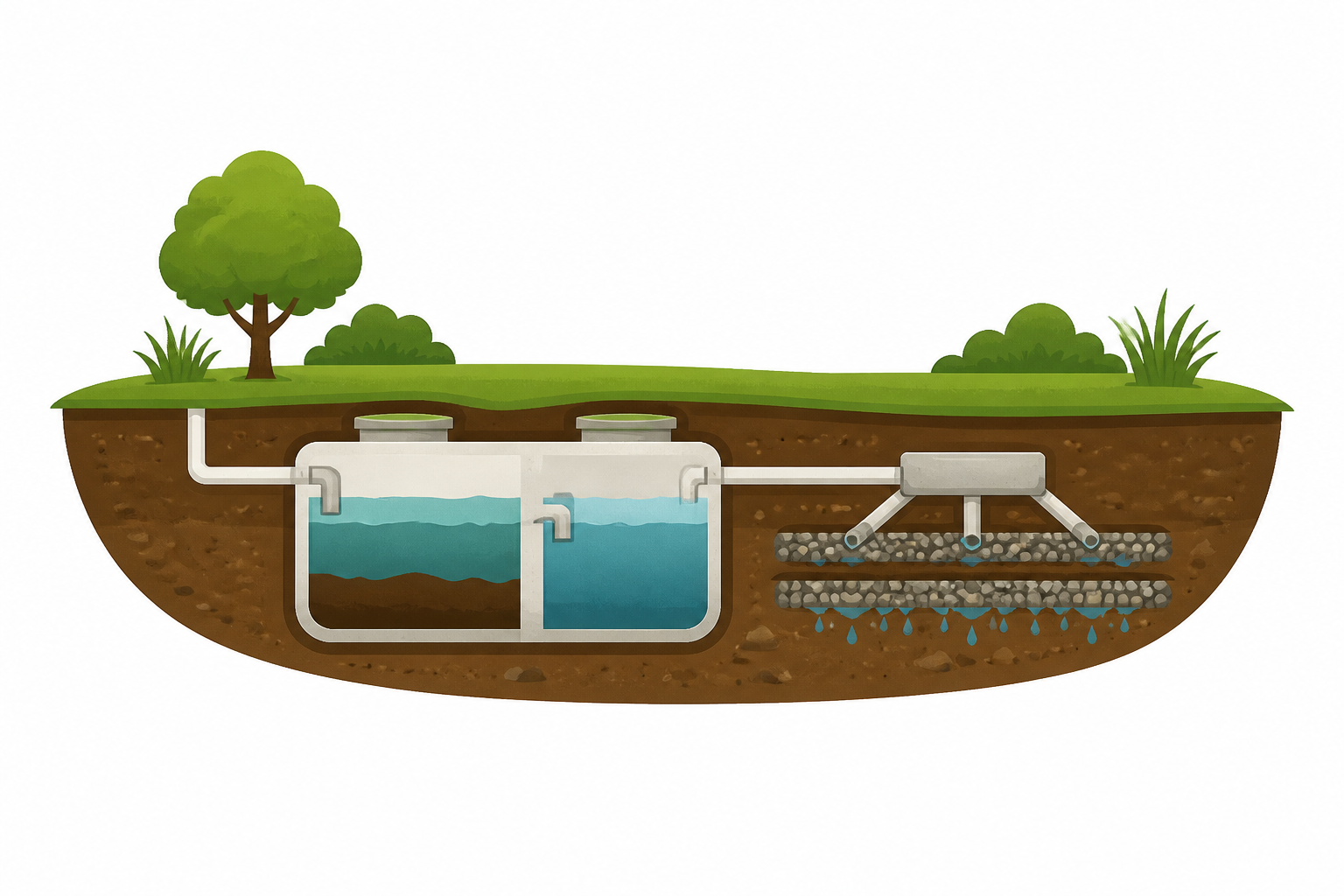
Your septic tank is a biological system. It relies on anaerobic bacteria to break down solids over time. Those solids settle into two layers: a bottom sludge layer of heavy waste and a top scum layer of fats, oils, and grease. The liquid in between — called effluent — flows out to your drain field. That process is elegant and effective, but it has limits.
A garbage disposal grinds food waste into fine particles and sends them straight into that biological system. The problem is that ground food waste — especially starchy vegetables, rice, pasta, and animal fats — doesn’t break down the same way human waste does. It accelerates sludge accumulation significantly. The EPA’s own guidance on onsite wastewater treatment notes that garbage disposals can increase the solids load entering a septic tank by 50% or more. That’s not a small number. That translates directly into more frequent pump-outs and faster system wear.
I learned this the hard way early in my career. I had a client in rural North Georgia — nice family, newer 1,000-gallon tank installed maybe four years prior. They called me because the toilets were sluggish. When I pulled the lid, the sludge layer was already at 40% of tank depth. Standard guidance says you pump when sludge hits 33%. They had a garbage disposal running daily, often with grease from cooking. That tank should have had its first pump-out at year three or four under normal use. Instead, it needed immediate service at year four and would need it again in two years. They were essentially cutting their pump interval in half — costing them an extra $300–$400 every pump cycle.
The Grease Problem Is Bigger Than You Think
Of everything a garbage disposal sends downstream, grease worries me most. Fats, oils, and grease — what the trade calls FOG — are the number one enemy of a healthy drain field. When grease hits the cool water in your tank, it solidifies and floats. It builds up in that top scum layer faster than bacteria can break it down. Eventually, grease starts passing through the outlet baffle and into your distribution lines.
Once grease reaches your drain field, you’re looking at biomat formation. A biomat is a dense, anaerobic layer that coats the soil interface in your leach lines. It restricts drainage, causes effluent to back up, and in severe cases means full drain field replacement. In the Southeast, I’ve priced drain field replacements anywhere from $4,500 to $12,000 depending on soil conditions and system size. That’s a repair that a $150 grease trap under your sink could have prevented.
That’s not a hypothetical. Last spring I worked a job outside Huntsville where a family’s drain field had failed after seven years — less than half its expected lifespan. The culprit was consistent grease disposal through the kitchen sink combined with an active garbage disposal. The grease trap they never installed would have paid for itself about forty times over compared to the $7,200 drain field replacement they ended up needing.
The Grease Trap That Finally Stopped My Tank From Getting Choked Up
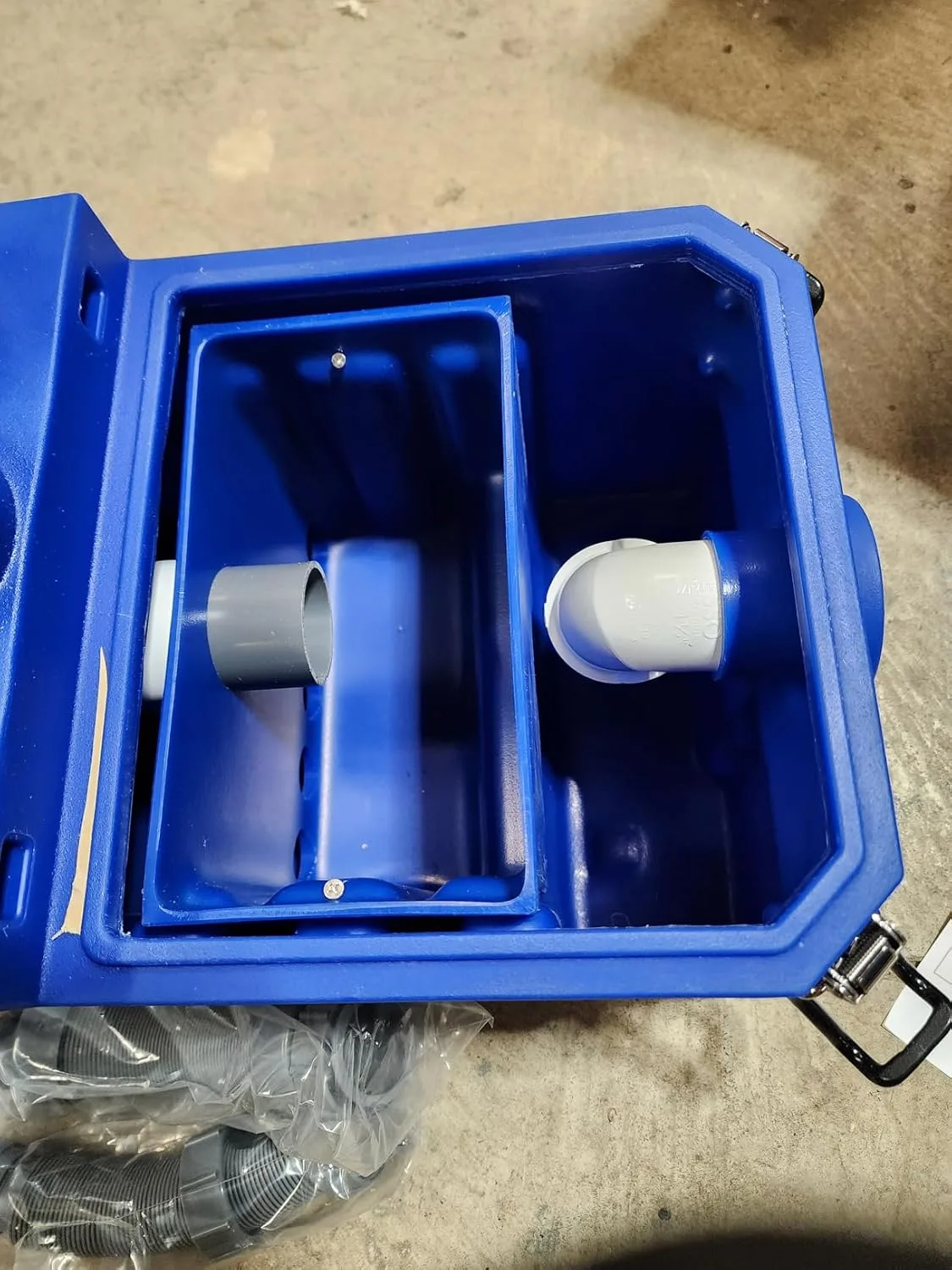
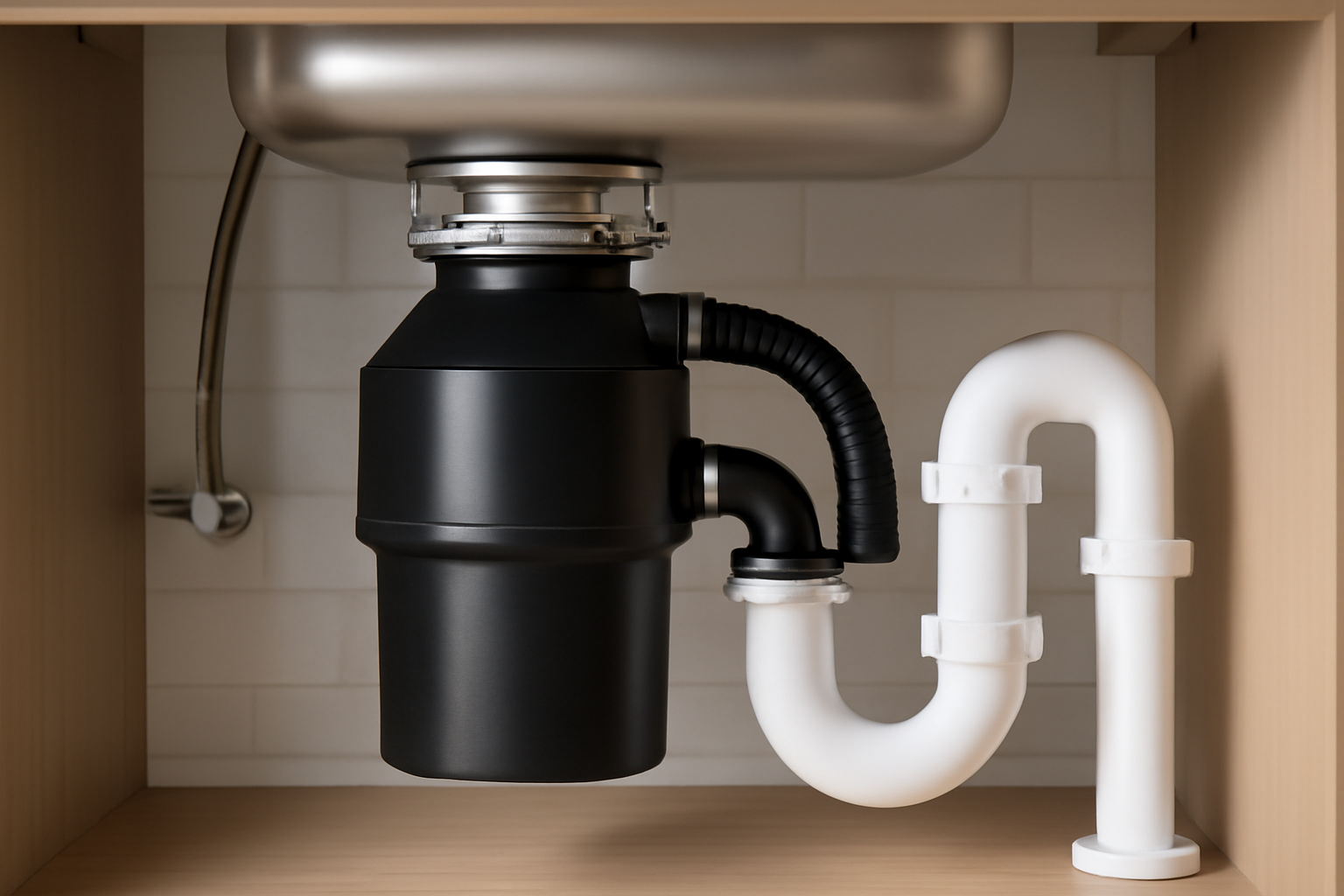
If you’re keeping that garbage disposal, a under-sink grease trap becomes your septic system’s best defense against the solids that disposal blades push straight into your tank. I learned this the hard way — it’s the one piece of hardware that actually slows down the damage.
What works
- Catches grease and food particles before they hit your tank, giving you a visible, cleanable barrier instead of hoping for the best
- The 3 GPM rating handles typical kitchen sink flow without creating backup pressure or slowing your water down noticeably
- Top-connection design means you can access and pump it out yourself — no digging, no guessing how full it is
What doesn’t
- It’s not a permanent fix — you’re still running a garbage disposal, so you’re still maintaining something extra instead of just not using it
- Needs regular cleaning (every 2–4 weeks if you’re a heavy disposal user), or you’ll defeat the whole purpose and create a clogged mess underneath your sink
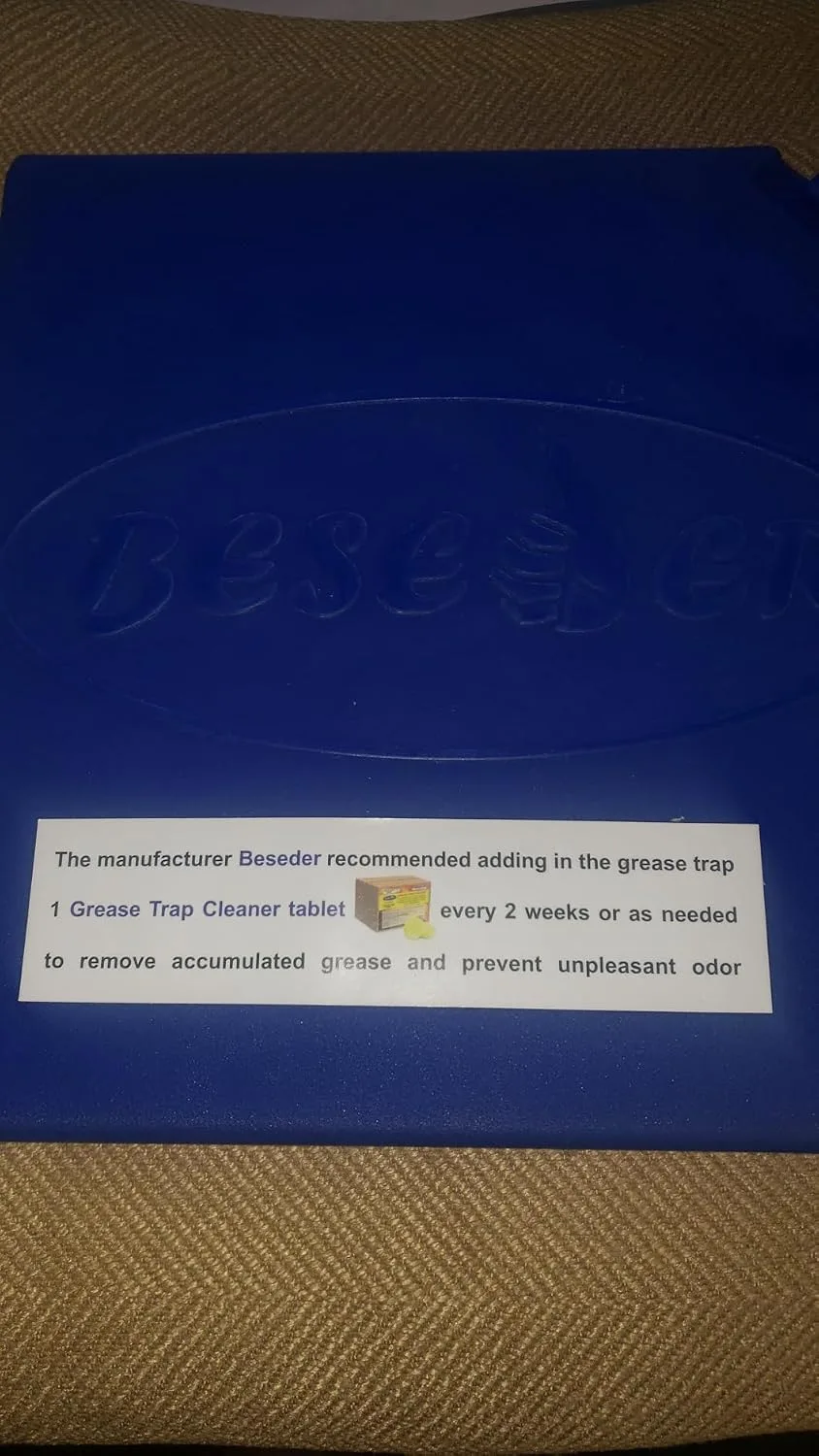
I went three years without one of these before I finally bit the bullet and installed it — and I remember the morning I pulled out a pound of grease that would’ve been sitting in my tank right now. Grease Trap plastic 3 GPM Under Sink for Home Kitchen – connection type TOP
This post contains affiliate links. As an Amazon Associate, I earn from qualifying purchases at no extra cost to you.
![Customer photo of [specific product component/packaging/installation detail visible in image]](https://backyardseptic.com/wp-content/uploads/2026/06/amazon-review-B0841NYHM1-1.webp)
![Customer photo of [specific product component/packaging/installation detail visible in image]](https://backyardseptic.com/wp-content/uploads/2026/06/amazon-review-B0G61GCMHH-1.webp)