This post contains affiliate links. As an Amazon Associate, I earn from qualifying purchases at no extra cost to you.
I got a call last October from a homeowner over in Walton County — she’d noticed an indoor septic smell after rain every single time a significant storm rolled through. Not a faint whiff. A full-on rotten egg stench coming up through her bathroom drain. She’d already burned through two cans of air freshener before she called me. I drove out, walked the yard, checked the tank, and had a diagnosis in about twenty minutes. The fix cost her less than $40. But here’s the thing — she’d been dealing with it for two rainy seasons because she assumed it meant her tank was failing. It wasn’t.
That story plays out constantly in the rural Southeast, where I’ve spent 18 years installing, inspecting, and repairing septic systems. Homeowners panic when they smell sewage indoors after a storm, and I get it — your gut says something underground is seriously wrong. Sometimes it is. Most of the time, though, the problem is simpler and more mechanical than people expect. In this post, I’m going to explain exactly what’s happening underground and inside your plumbing when rain triggers that smell, and I’ll tell you how to fix the most common causes yourself.
Why Rain Creates Indoor Septic Smell in the First Place
Here’s the physics of it. Your septic system produces gases constantly — hydrogen sulfide, methane, carbon dioxide. Under normal conditions, those gases travel up through your drain-vent pipes, exit through the vent stack on your roof, and disperse harmlessly into the air. The system is designed around that continuous upward airflow. However, when heavy rain arrives, it brings a drop in barometric pressure. That pressure drop changes the airflow dynamics inside your plumbing stack.
Instead of gases venting upward and out, the low-pressure air above your roof actually pulls those gases back down through the vent or pushes them sideways into your living space through floor drains, toilets, and sink traps. It’s called negative pressure backdrafting, and it’s a well-documented phenomenon. The EPA’s septic system guidance and most state health department installation codes — including Georgia’s On-Site Sewage Management rules — require properly sized vent stacks specifically to prevent this condition. When the stack is the wrong diameter, partially blocked, or unfiltered, rain events make it dramatically worse.
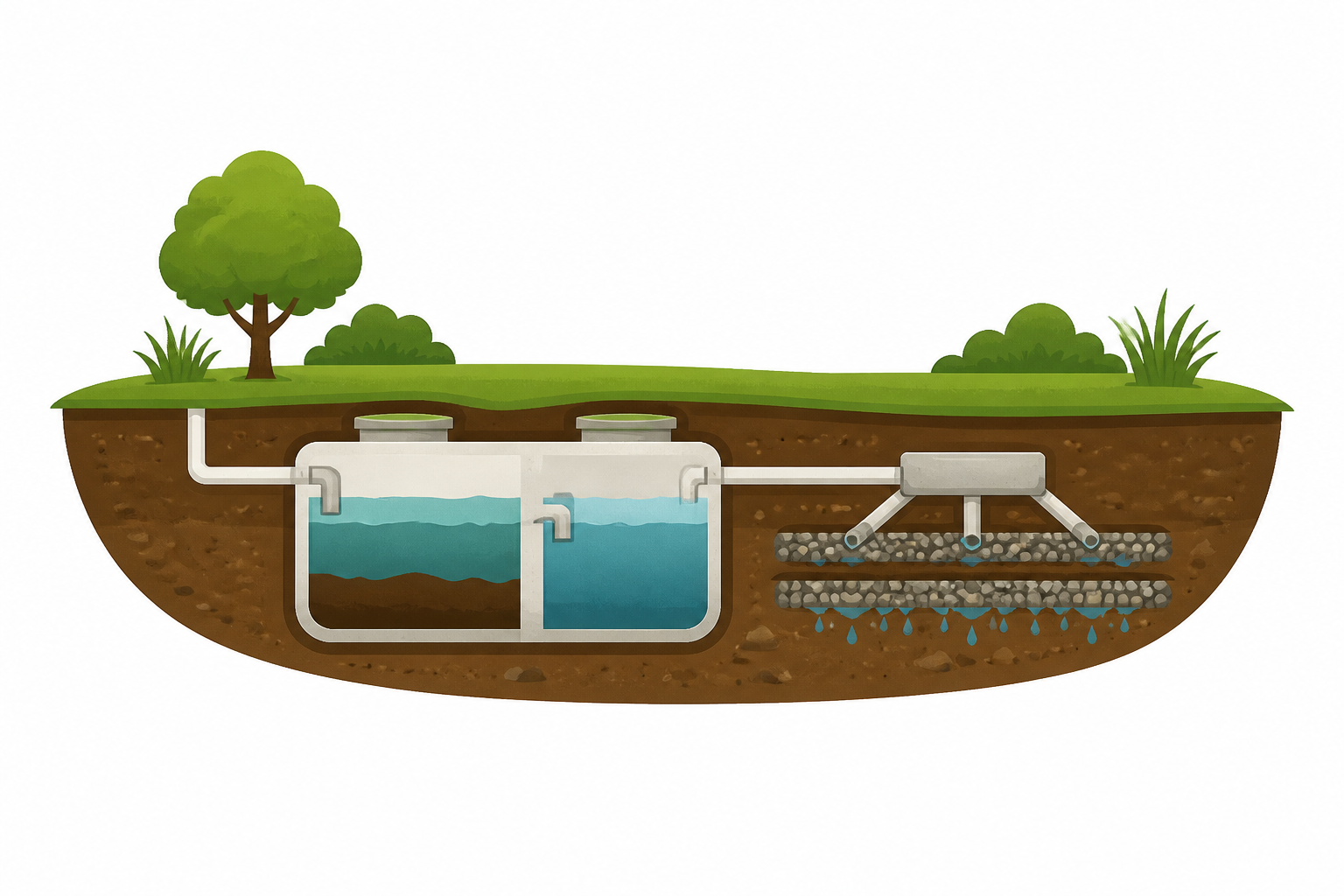
Rain also saturates the drainfield soil. Saturated soil can’t accept effluent efficiently, so pressure builds in the tank and the lateral lines. That pressure has to go somewhere. In many older systems I inspect — particularly those installed before the mid-2000s without modern baffles — it pushes gas backward through the inlet pipe and into the house plumbing. That’s a different problem, but rain is still the trigger.
The Four Most Common Causes I Find on the Job
1. Dry or Missing P-Traps
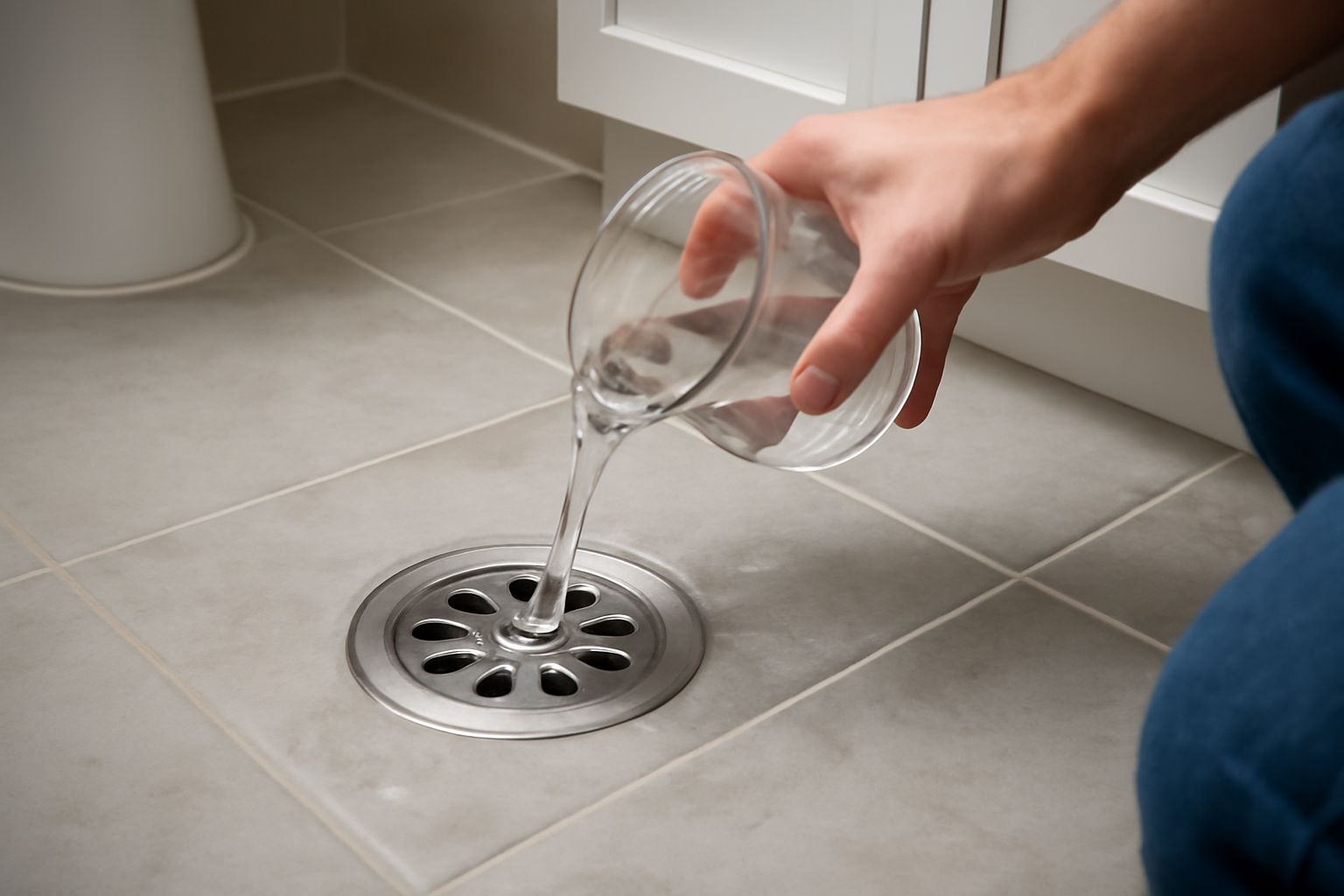
This is the number-one culprit I find. Every drain in your home — sinks, showers, floor drains — has a P-trap, that curved section of pipe that holds standing water. That water creates a physical seal against sewer gas. When a drain goes unused for a few weeks, the water evaporates. The seal disappears. During a rain event with falling barometric pressure, gas pushes right through that open pipe into your home. I see this constantly in basement floor drains, guest bathroom sinks, and laundry room drains.
The fix is literally pouring a quart of water down every unused drain. Do it every 30 to 60 days. For floor drains you never use, pour in a cup of vegetable oil after the water — it floats on top and slows evaporation significantly. Some plumbers recommend trap primer valves for chronic cases, which run about $25 to $60 at any plumbing supply house.
2. A Blocked or Undersized Vent Stack
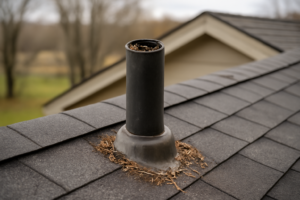
Your roof vent stack is the lungs of your plumbing system. Birds nest in them. Leaves pack them. I once pulled a dead squirrel out of a 3-inch vent stack on a job in Putnam County — the homeowner had been dealing with indoor odor for three months. A blocked vent means gases can’t exit properly. When rain pressure shifts, there’s nowhere for gas to go but down.
Most residential vent stacks are 3 or 4 inches in diameter. International Plumbing Code (IPC) and most Southeast state codes require a minimum 3-inch vent stack for a single-family home. If yours is smaller — some older homes have 1.5-inch or 2-inch stacks — you’re fighting an uphill battle every time it rains. Clearing a blockage yourself with a garden hose or a plumber’s snake from the roof is a reasonable DIY job if you’re comfortable on a ladder. That said, always have someone on the ground when you’re working on a roof.
3. A Saturated Drainfield
Heavy rain doesn’t just affect air pressure — it floods the soil around your drainfield laterals. When that soil is saturated, effluent has nowhere to go. Hydraulic pressure backs up through the system. In a properly functioning tank with good baffles, this is manageable short-term. However, in a system that’s already stressed — aging laterals, biomat buildup, a tank that needs pumping — a heavy rain event can push gas and even effluent back toward the house.
If you’re noticing slow drains during and after rain — not just smell — that’s a key indicator your drainfield is struggling. A tank that hasn’t been pumped in more than three to five years and sits in clay-heavy Southeast soil is a prime candidate. Pumping costs $350 to $550 in most rural Georgia and Alabama markets I work in. It’s maintenance, not an emergency expense, and it buys your system time to recover.
4. A Cracked or Poorly Sealed Tank Lid
I learned this one the hard way early in my career. I was chasing an odor complaint for a homeowner in Morgan County, convinced it was a vent issue. Spent two hours on the roof. Came down, walked the yard, and found a concrete tank riser lid with a quarter-inch crack running across it. Rainwater was infiltrating the crack and agitating the tank contents, releasing a concentrated burst of hydrogen sulfide. The gas was traveling up the inlet pipe directly into the house.
Concrete lids crack over time, especially in freeze-thaw cycles or when heavy equipment rolls over a yard. Plastic risers can unseat from their base. Walk your tank access area after a rain and check for pooling water directly over the lid — that’s a telltale sign. A new concrete lid runs $40 to $80. A replacement plastic riser lid is $25 to $60 depending on diameter. Neither is a complicated fix, but you need to know where your tank is first.
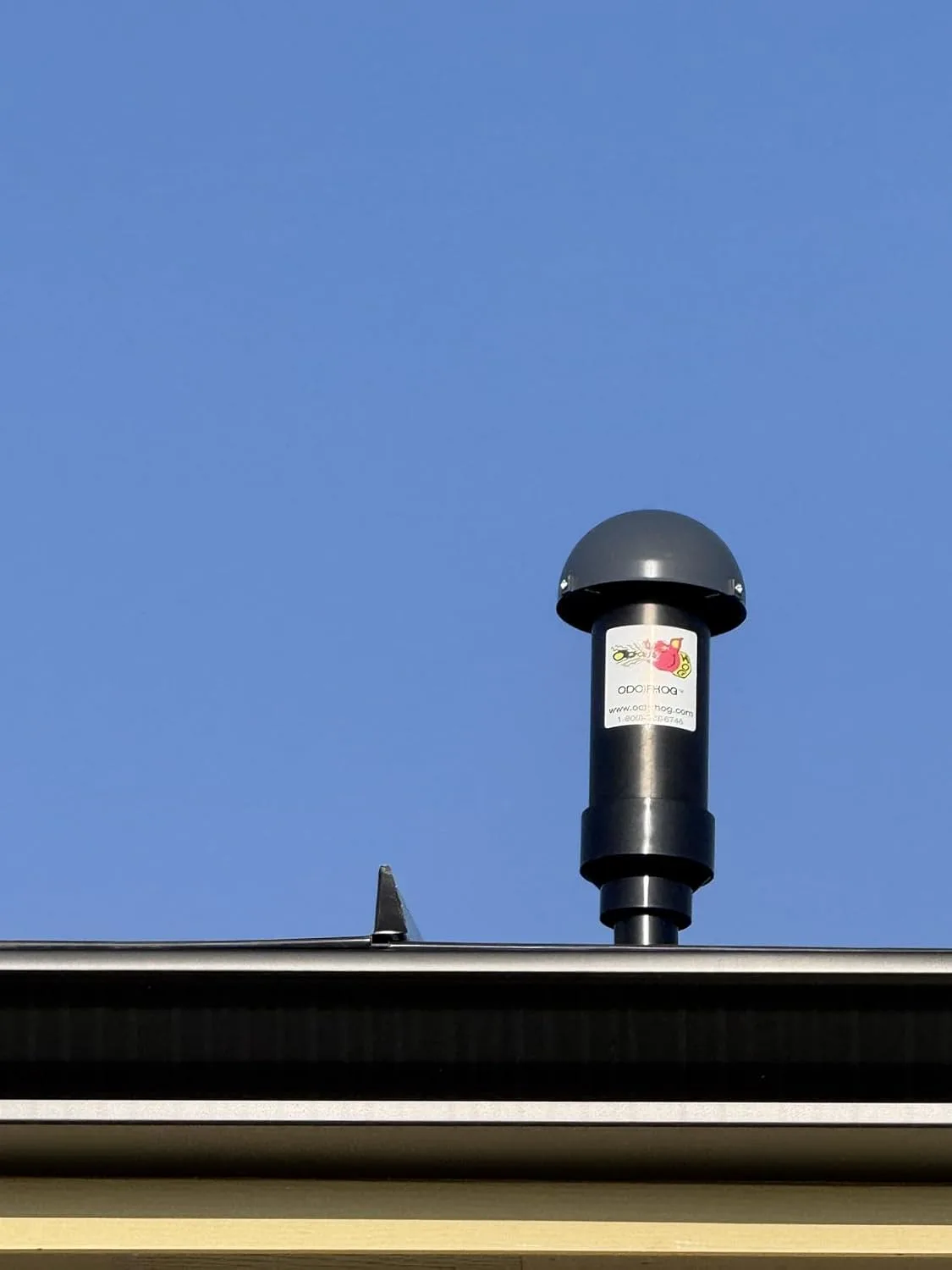
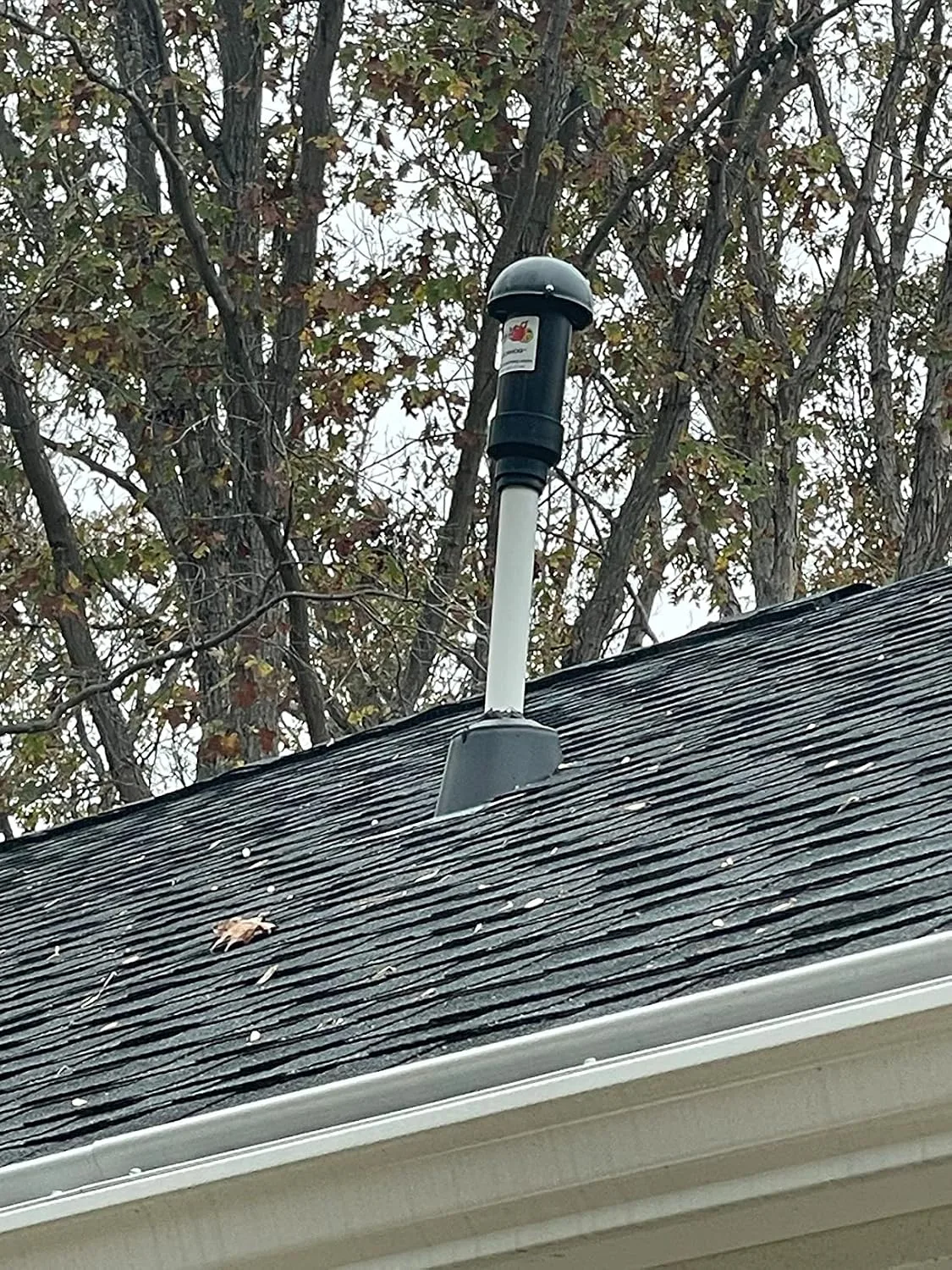
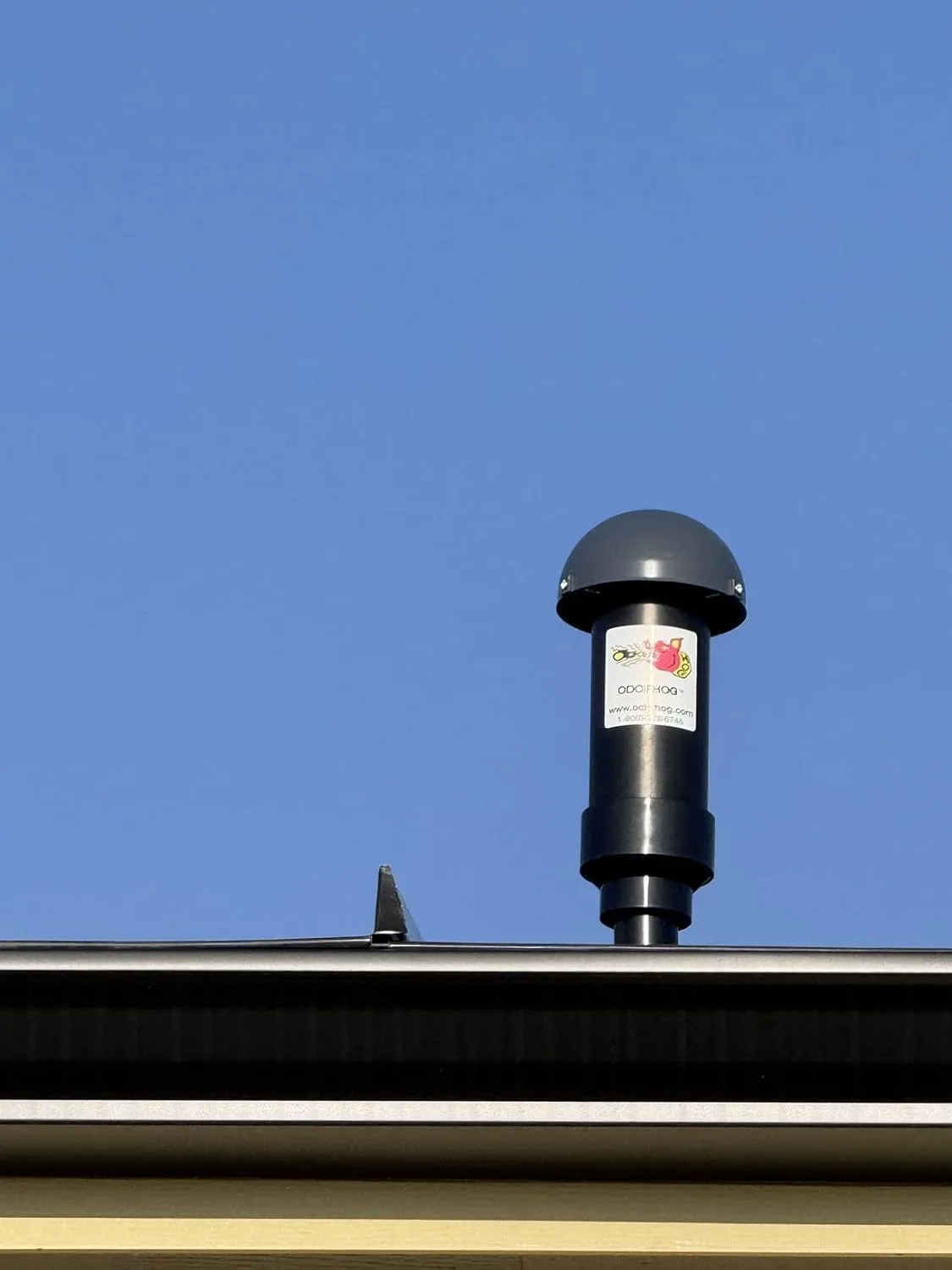
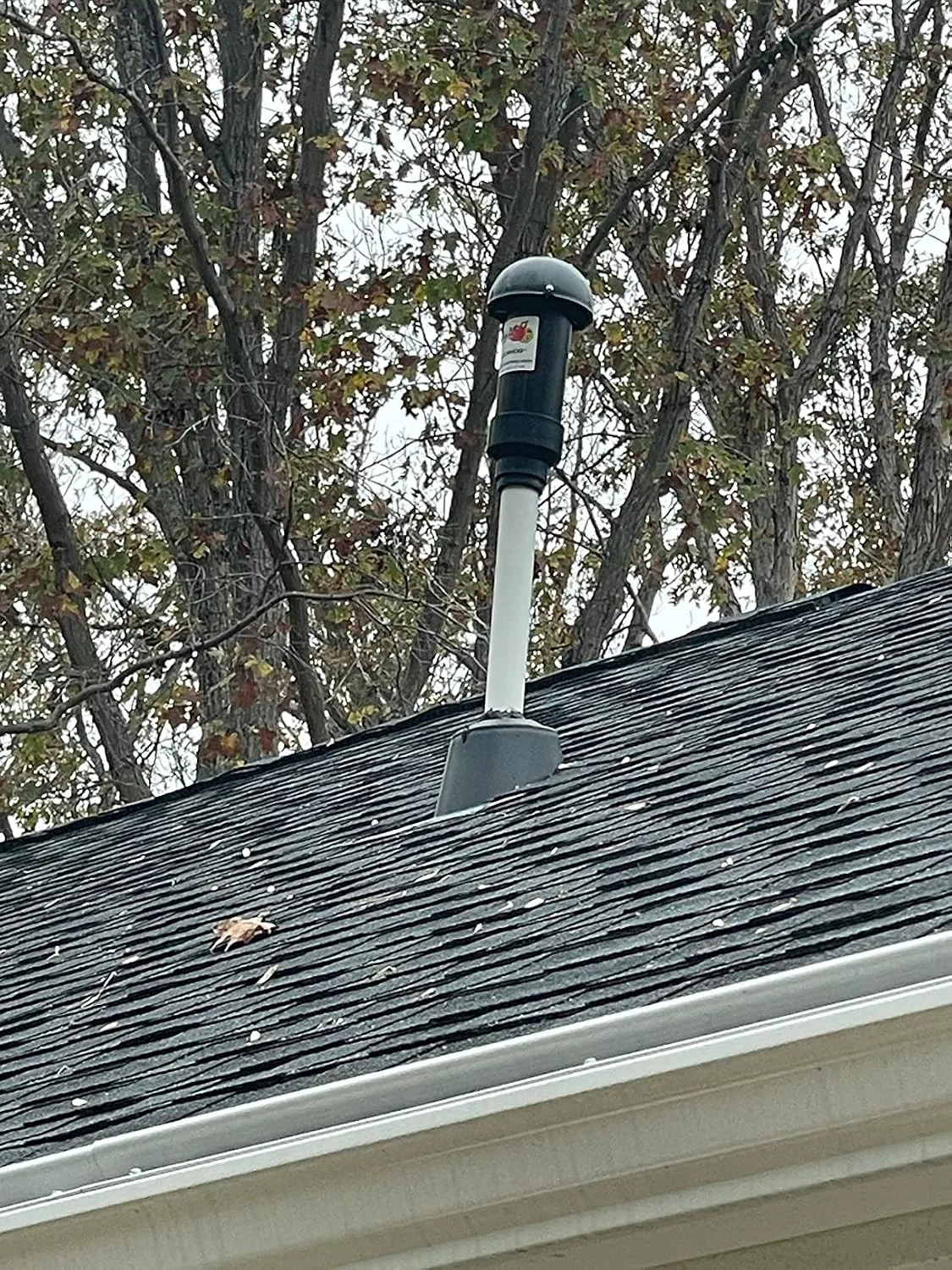
The Vent Filter That Stopped Rain From Pushing Septic Gas Back Into My Bathroom
If you’re smelling sewage indoors after heavy rain, your vent stack is likely the culprit — water and pressure are forcing gases back down the pipe instead of letting them escape. A quality vent filter traps those odors at the source before they ever reach your drains.
What works
- The mushroom cap design sheds rainwater away from the pipe opening — I’ve watched storms roll through without a hint of smell coming back inside.
- Carbon filter media actually absorbs hydrogen sulfide (that rotten egg smell), not just masking it — your whole house stops broadcasting septic odor to the neighborhood.
- Installs in about 10 minutes on top of your existing vent stack; no digging, no tank work, no calling a contractor.
What doesn’t
- The carbon filter needs replacing every 12–18 months depending on how much you use the system — it’s not a one-time fix.
- If your vent stack is undersized or clogged below the filter, this solves the smell problem but won’t fix underlying drainage backups.
I’ll admit I was skeptical the first time I ordered one — I thought a simple filter cap couldn’t really stop that kind of stench. It did, and now it’s the first thing I recommend to anyone fighting post-rain indoor odor. Grab an OdorHog Vent Stack Pipe Filter (3-inch, Black ABS with Mushroom Cap) and see the difference for yourself.
This post contains affiliate links. As an Amazon Associate, I earn from qualifying purchases at no extra cost to you.